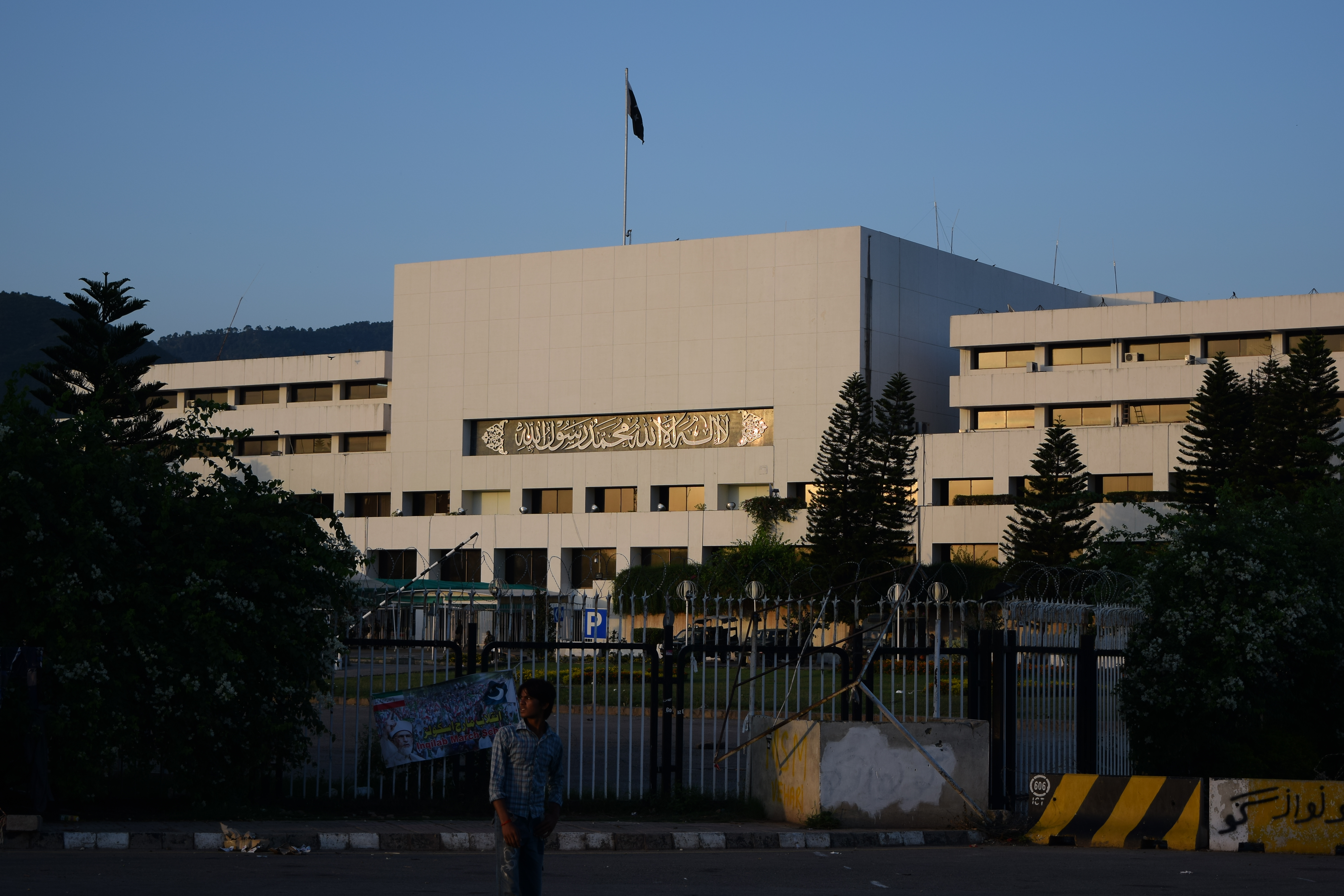
The Pakistan federal government will present the federal budget for fiscal year 2026-27 during the first week of June 2026 [1].
The upcoming budget is critical as the administration seeks to balance national economic challenges with the need to provide financial stability for its citizens. By targeting the salaried class for relief, the government aims to mitigate the impact of inflation and rising costs of living.
Government officials said that the fiscal strategy for the next year will prioritize tax relief for those in salaried positions [1]. This approach is intended to address the economic pressures facing the middle class, who have historically borne a significant portion of the tax burden during periods of economic volatility.
The presentation of the budget in early June [1] will outline the government's spending priorities and revenue targets for the 2026-27 cycle. While the specific details of the relief measures have not been fully disclosed, the focus remains on reducing the financial burden on employees through adjusted tax brackets, or credits.
This move comes as part of a broader effort to stabilize the domestic economy. The government is tasked with managing public debt and maintaining essential services while ensuring that the salaried workforce does not face further economic hardship.
As the first week of June approaches [1], the administration is finalizing the figures required to sustain these promises. The resulting budget will serve as the primary roadmap for Pakistan's economic policy for the coming year.
“The Pakistan federal government will present the federal budget for fiscal year 2026-27 during the first week of June 2026.”
The government's focus on the salaried class suggests a strategic attempt to maintain social stability and consumer spending power amidst economic instability. If the relief measures are substantial, it could signal a shift toward more populist fiscal policies; however, the success of these measures depends on the government's ability to find alternative revenue streams to offset the loss in tax collection.


