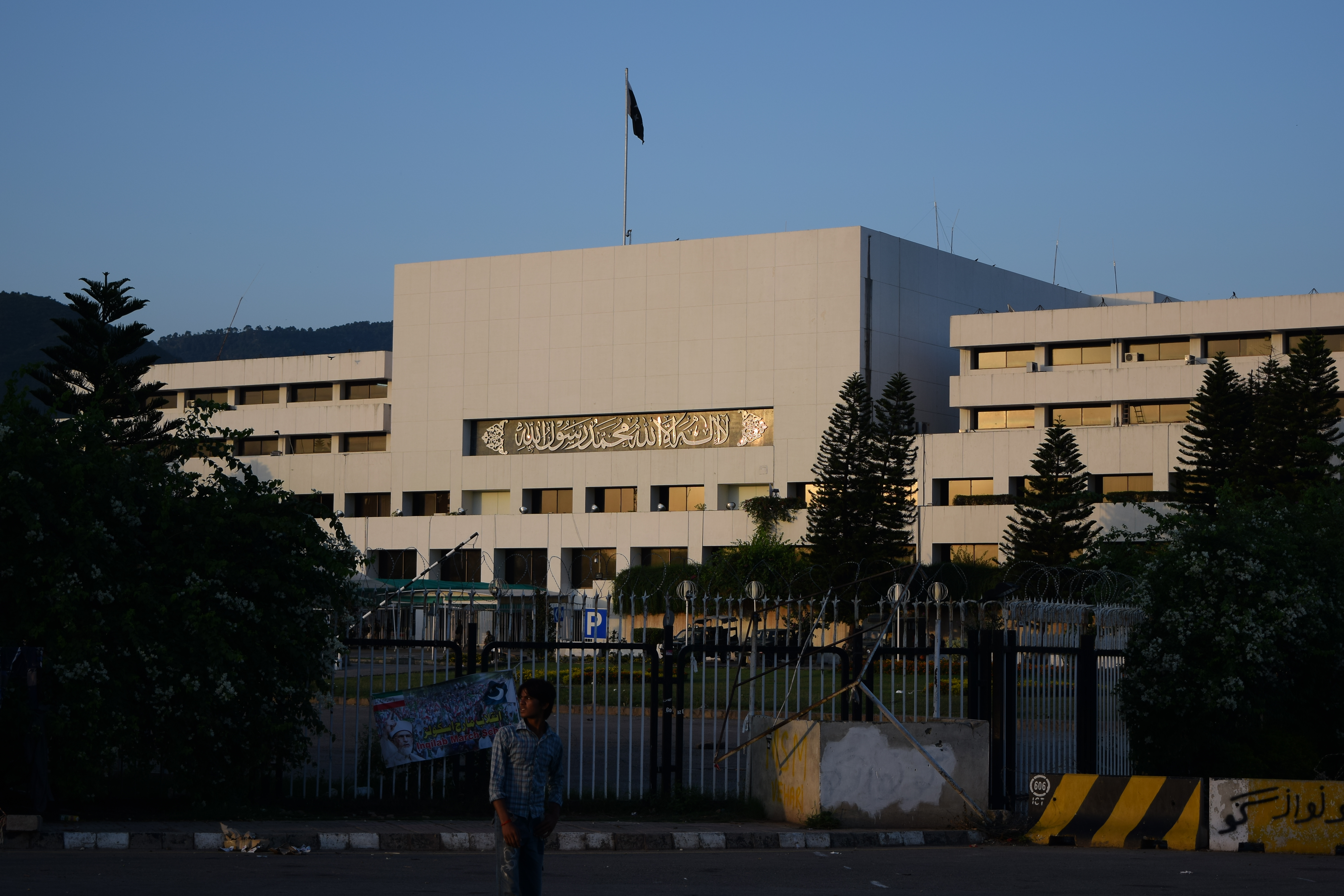
Pakistan's federal government has proposed a seven percent ad-hoc increase in salaries and pensions for federal employees and retirees in the 2026-27 budget [1].
This measure aims to provide economic relief to the salaried class amid fluctuating costs of living. The move is part of a broader fiscal package designed to support the purchasing power of government workers and the lowest-paid laborers across the country.
Prime Minister Shehbaz Sharif said the federal cabinet has approved the seven percent increase in salaries and pensions for federal employees [2]. The proposal was presented in the National Assembly in Islamabad this week [1].
Beyond the ad-hoc raises, the government is targeting the most vulnerable workers. An unnamed Finance Minister said the government is proposing a 10% rise in the minimum monthly wage to improve purchasing power [3]. Additionally, the government plans to revamp pay scales and increase allowances to accompany the seven percent raise [5].
The wider budget for 2026-27 includes a total federal and provincial allocation of Rs13,350 billion [1]. Within this framework, the government has allocated Rs3 trillion for defense [1].
Despite the announcement, the measures have met with immediate resistance from some workers. Protesting government employees in Islamabad said the seven percent pay increase is a pittance [4]. One protester said employees demand a 50% raise for low-income staff [4].
Government officials said that the raises and accompanying tax cuts for the salaried class are necessary steps to stabilize the economy while supporting public servants [3].
“The federal cabinet has approved a 7% increase in salaries and pensions for federal employees.”
The gap between the government's 7% offer and the 50% demand from protesters highlights a significant disconnect between official fiscal targets and the lived reality of inflation for Pakistan's public sector. While the Rs13,350 billion budget seeks to balance national security via a Rs3 trillion defense spend with social relief, the adequacy of these raises will likely determine the stability of civil service operations in the coming fiscal year.


'%2F%3E%0A%20%20%20%20%3Crect%20width%3D'1600'%20height%3D'900'%20fill%3D'url(%23v)'%2F%3E%0A%20%20%20%20%3Cg%20opacity%3D'0.08'%20fill%3D'%23ffffff'%3E%0A%20%20%20%20%20%20%3Ccircle%20cx%3D'1420'%20cy%3D'180'%20r%3D'220'%2F%3E%0A%20%20%20%20%20%20%3Ccircle%20cx%3D'1500'%20cy%3D'760'%20r%3D'120'%2F%3E%0A%20%20%20%20%3C%2Fg%3E%0A%20%20%20%20%3Cline%20x1%3D'80'%20y1%3D'172'%20x2%3D'220'%20y2%3D'172'%20stroke%3D'%23ffffff'%20stroke-width%3D'3'%20stroke-opacity%3D'0.6'%2F%3E%0A%20%20%20%20%3Ctext%20x%3D'80'%20y%3D'140'%20font-family%3D'Inter%2C%20-apple-system%2C%20Helvetica%2C%20sans-serif'%20font-weight%3D'700'%20font-size%3D'28'%20fill%3D'%23ffffff'%20letter-spacing%3D'6'%3EHANNA%20%C2%B7%20NEWS%3C%2Ftext%3E%0A%20%20%20%20%3Ctext%20x%3D'80'%20y%3D'230'%20font-family%3D'Inter%2C%20-apple-system%2C%20Helvetica%2C%20sans-serif'%20font-weight%3D'600'%20font-size%3D'40'%20fill%3D'%23ffffffb3'%20letter-spacing%3D'4'%3EWORLD%3C%2Ftext%3E%0A%20%20%20%20%3Ctext%20x%3D'80'%20y%3D'694'%20font-family%3D'Playfair%20Display%2C%20Georgia%2C%20serif'%20font-weight%3D'800'%20font-size%3D'110'%20fill%3D'%23ffffff'%20letter-spacing%3D'-1'%3EKOSPI%20Surges%20After%20US-Iran%3C%2Ftext%3E%3Ctext%20x%3D'80'%20y%3D'820'%20font-family%3D'Playfair%20Display%2C%20Georgia%2C%20serif'%20font-weight%3D'800'%20font-size%3D'110'%20fill%3D'%23ffffff'%20letter-spacing%3D'-1'%3ECease-Fire%20Agreement%3C%2Ftext%3E%0A%20%20%20%20%3Ctext%20x%3D'80'%20y%3D'870'%20font-family%3D'Inter%2C%20-apple-system%2C%20Helvetica%2C%20sans-serif'%20font-weight%3D'500'%20font-size%3D'22'%20fill%3D'%23ffffff66'%20letter-spacing%3D'2'%3Enews.hanna-ai.com%3C%2Ftext%3E%0A%20%20%3C%2Fsvg%3E)