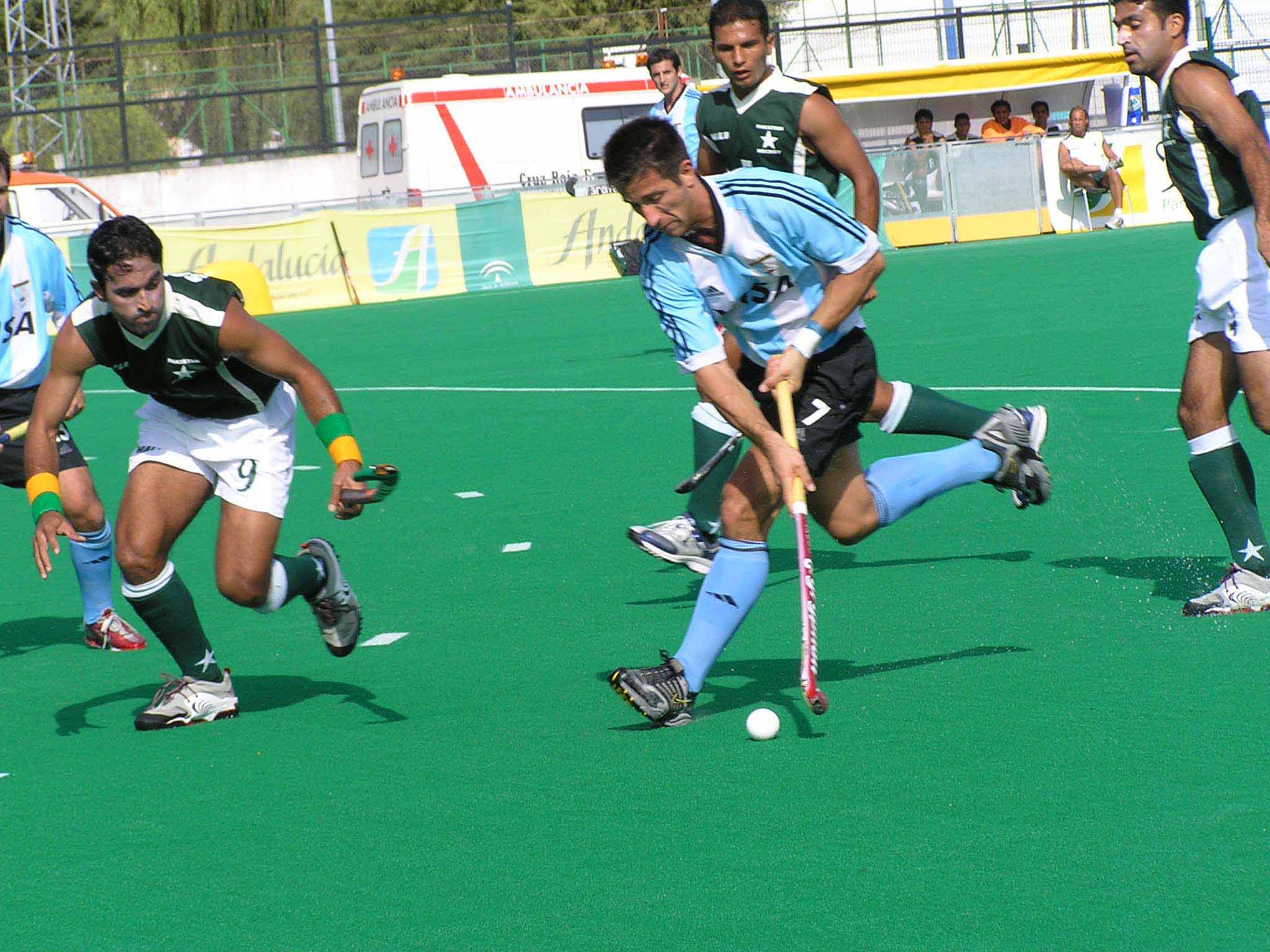
The Pakistan national hockey team suffered injuries and travel disruptions during the final two legs of the FIH Pro League in Belgium [2].
These failures highlight a systemic breakdown in athlete support and logistics. When national teams lack basic training standards, it compromises their competitiveness on the global stage and risks the physical health of the players.
Reports indicate that the team's disappointing performance was rooted in poor management and substandard training conditions [2]. These shabby conditions contributed directly to player injuries before the team departed for Belgium [2]. The lack of professional oversight extended to the team's travel arrangements, resulting in logistical chaos that further disrupted the campaign [2].
Analyst Shahid Hashmi examined the fallout of these failures in a recent analysis of the team's league performance [1]. The combination of physical setbacks and administrative instability left the squad unable to compete effectively during the final stages of the tournament [2].
While the team faced high-pressure matches in Belgium, the internal instability created a gap between the players' capabilities and their actual output on the field [2]. The mismanagement of the training camp is cited as a primary driver for the decline in performance [2].
“The team suffered injuries and travel disruptions for the final two legs of the FIH Pro League.”
The failure to provide adequate training facilities and stable logistics suggests a critical gap in the administrative infrastructure of Pakistan's national hockey program. When basic operational needs are unmet, the resulting injuries and mental stress create a performance ceiling that cannot be overcome by talent alone, potentially damaging the team's international ranking and future funding.

'%2F%3E%0A%20%20%20%20%3Crect%20width%3D'1600'%20height%3D'900'%20fill%3D'url(%23v)'%2F%3E%0A%20%20%20%20%3Cg%20opacity%3D'0.08'%20fill%3D'%23ffffff'%3E%0A%20%20%20%20%20%20%3Ccircle%20cx%3D'1420'%20cy%3D'180'%20r%3D'220'%2F%3E%0A%20%20%20%20%20%20%3Ccircle%20cx%3D'1500'%20cy%3D'760'%20r%3D'120'%2F%3E%0A%20%20%20%20%3C%2Fg%3E%0A%20%20%20%20%3Cline%20x1%3D'80'%20y1%3D'172'%20x2%3D'220'%20y2%3D'172'%20stroke%3D'%23ffffff'%20stroke-width%3D'3'%20stroke-opacity%3D'0.6'%2F%3E%0A%20%20%20%20%3Ctext%20x%3D'80'%20y%3D'140'%20font-family%3D'Inter%2C%20-apple-system%2C%20Helvetica%2C%20sans-serif'%20font-weight%3D'700'%20font-size%3D'28'%20fill%3D'%23ffffff'%20letter-spacing%3D'6'%3EHANNA%20%C2%B7%20NEWS%3C%2Ftext%3E%0A%20%20%20%20%3Ctext%20x%3D'80'%20y%3D'230'%20font-family%3D'Inter%2C%20-apple-system%2C%20Helvetica%2C%20sans-serif'%20font-weight%3D'600'%20font-size%3D'40'%20fill%3D'%23ffffffb3'%20letter-spacing%3D'4'%3EWORLD%3C%2Ftext%3E%0A%20%20%20%20%3Ctext%20x%3D'80'%20y%3D'694'%20font-family%3D'Playfair%20Display%2C%20Georgia%2C%20serif'%20font-weight%3D'800'%20font-size%3D'110'%20fill%3D'%23ffffff'%20letter-spacing%3D'-1'%3EFrance%20Records%20Hottest%20Day%3C%2Ftext%3E%3Ctext%20x%3D'80'%20y%3D'820'%20font-family%3D'Playfair%20Display%2C%20Georgia%2C%20serif'%20font-weight%3D'800'%20font-size%3D'110'%20fill%3D'%23ffffff'%20letter-spacing%3D'-1'%3ESince%201947%3C%2Ftext%3E%0A%20%20%20%20%3Ctext%20x%3D'80'%20y%3D'870'%20font-family%3D'Inter%2C%20-apple-system%2C%20Helvetica%2C%20sans-serif'%20font-weight%3D'500'%20font-size%3D'22'%20fill%3D'%23ffffff66'%20letter-spacing%3D'2'%3Enews.hanna-ai.com%3C%2Ftext%3E%0A%20%20%3C%2Fsvg%3E)
