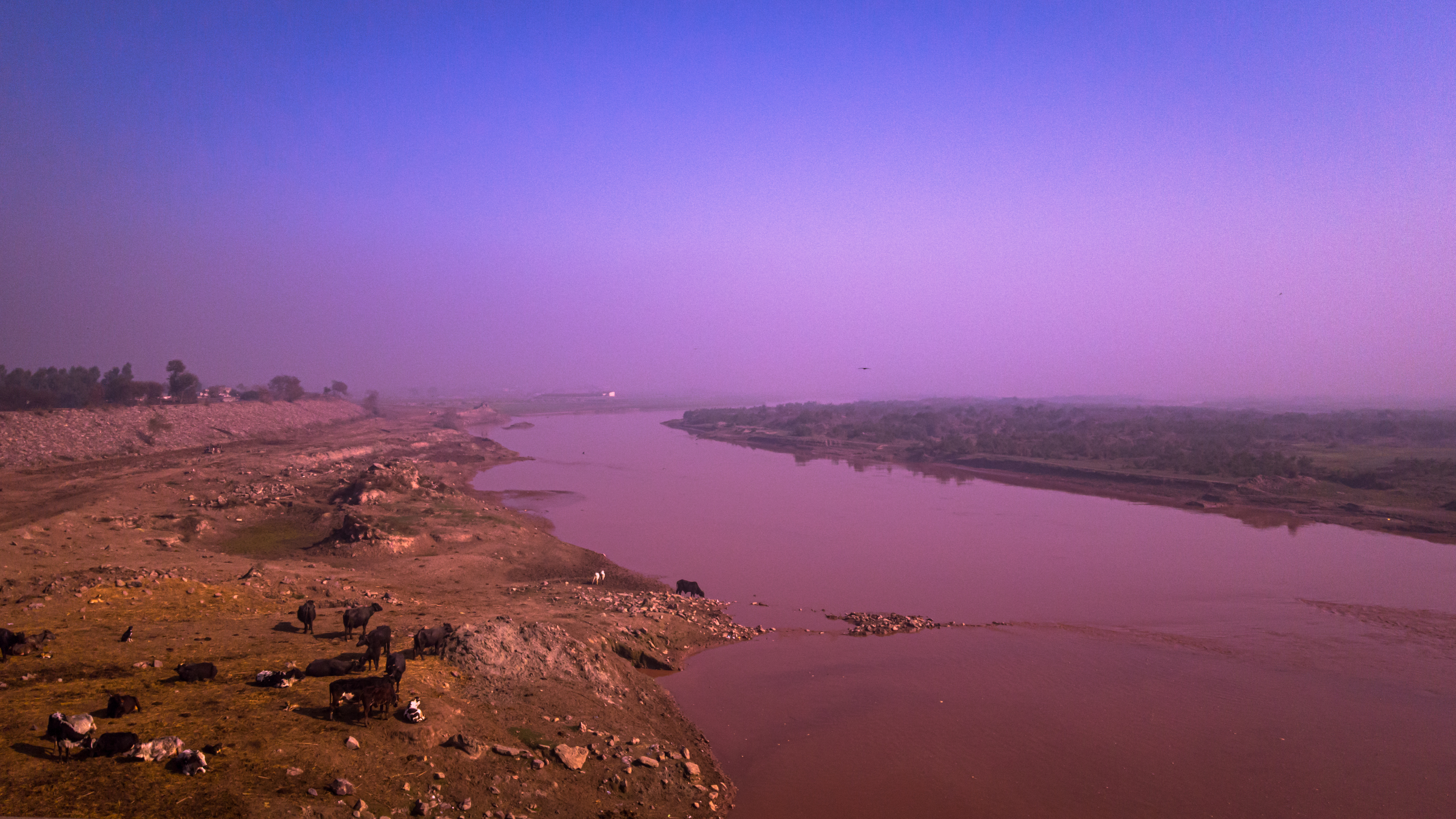
Pakistan's Federal Minister for Climate Change Musadik Malik warned India on June 30 that Pakistan will not compromise on its water rights [1].
The dispute centers on the Indus Water Treaty, a critical agreement governing the distribution of river waters between the two nuclear-armed neighbors. Any disruption to this treaty could jeopardize agricultural stability, and water security for millions of people in the region.
Malik said the statement in Islamabad during a period of heightened bilateral friction [1]. The warning follows a stance from India suggesting the treaty may remain in abeyance [2]. Indian officials linked this position to allegations that Pakistan provides support for cross-border terrorism [2].
“Pakistan will not compromise on its share of water,” Malik said [1].
India has responded to the threats by maintaining its diplomatic line. A spokesperson for India's Ministry of External Affairs said the country's position on the Indus Water Treaty is consistent [2].
The tension has escalated following recent security incidents and a specific military operation known as Operation Sindoor [3]. These events have contributed to a climate of mutual distrust, with some regional commentary describing the current warnings as hollow threats [3].
Despite the rhetoric, the Indus Water Treaty has historically survived multiple wars and diplomatic freezes between the two nations. However, the current linkage of water rights to security concerns marks a volatile shift in the discourse surrounding the agreement [2].
““Pakistan will not compromise on its share of water.””
The intersection of water security and national security creates a high-risk flashpoint for South Asia. By linking the Indus Water Treaty to counter-terrorism efforts, India is utilizing a strategic resource as diplomatic leverage, while Pakistan's firm stance reflects the existential nature of water access for its agrarian economy.


