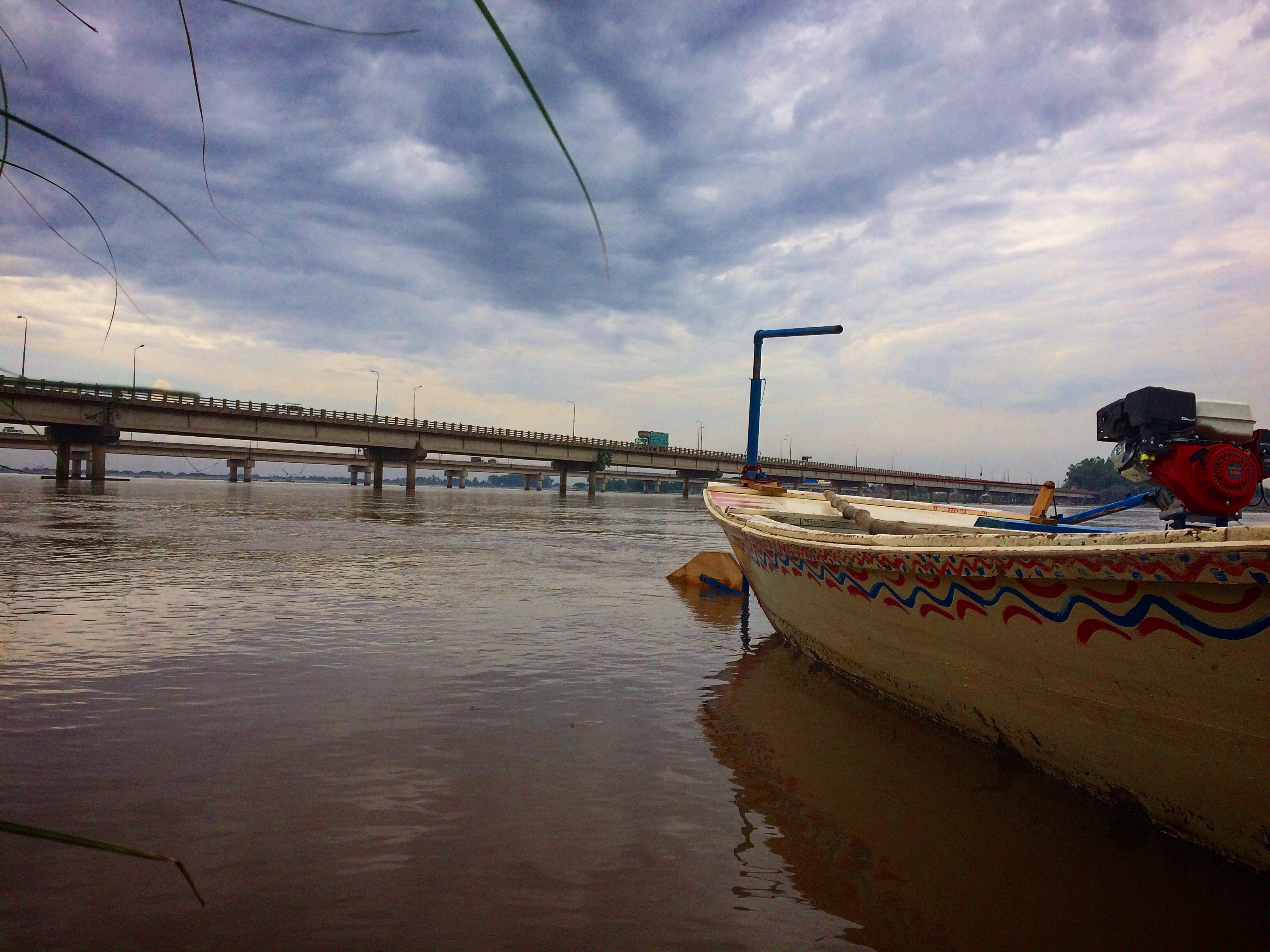
Pakistan is preparing diplomatic and legal actions against India over a project to link the Chenab and Beas rivers via a tunnel.
The dispute threatens to escalate tensions between the two neighbors by challenging the 1960 [1] Indus Waters Treaty, a critical agreement that governs water sharing in the region.
Information Minister Attaullah Tarar said on June 4, 2024 [2], that the Chenab-Beas tunnel is a grave violation of the treaty and international law. The Pakistani government argues that diverting water from the Chenab River, one of three rivers allocated to Pakistan under the 1960 agreement [1], would compromise its water security and national interests.
Barrister Aqeel Malik, the Minister of State for Law and Justice, said the government is preparing measures to protect water rights. These steps include filing a case at the Permanent Court of Arbitration [3]. The legal challenge was scheduled for preparation throughout 2024 [4].
Other Pakistani officials said India has suspended its obligations under the treaty, and Pakistan intends to challenge that suspension in an international forum [4].
India has dismissed the allegations from Islamabad as unfounded [5]. Indian officials said the river-linking project is a legitimate exercise of sovereign rights [6].
The conflict centers on the Chenab River in Pakistan-occupied Kashmir and the Beas River in the Indian state of Himachal Pradesh [7]. While some reports suggest Pakistan has already secured a victory in arbitration, other records indicate the case is still being prepared for filing [4, 5].
“"The Chenab‑Beas tunnel is a grave violation of the Indus Waters Treaty and international law."”
This dispute highlights the fragility of the 1960 Indus Waters Treaty as both nations struggle with water scarcity and regional instability. By moving the conflict to the Permanent Court of Arbitration, Pakistan is attempting to internationalize a bilateral water dispute, which may further strain diplomatic relations if India continues to assert its sovereign right to manage its internal river systems.


'%2F%3E%0A%20%20%20%20%3Crect%20width%3D'1600'%20height%3D'900'%20fill%3D'url(%23v)'%2F%3E%0A%20%20%20%20%3Cg%20opacity%3D'0.08'%20fill%3D'%23ffffff'%3E%0A%20%20%20%20%20%20%3Ccircle%20cx%3D'1420'%20cy%3D'180'%20r%3D'220'%2F%3E%0A%20%20%20%20%20%20%3Ccircle%20cx%3D'1500'%20cy%3D'760'%20r%3D'120'%2F%3E%0A%20%20%20%20%3C%2Fg%3E%0A%20%20%20%20%3Cline%20x1%3D'80'%20y1%3D'172'%20x2%3D'220'%20y2%3D'172'%20stroke%3D'%23ffffff'%20stroke-width%3D'3'%20stroke-opacity%3D'0.6'%2F%3E%0A%20%20%20%20%3Ctext%20x%3D'80'%20y%3D'140'%20font-family%3D'Inter%2C%20-apple-system%2C%20Helvetica%2C%20sans-serif'%20font-weight%3D'700'%20font-size%3D'28'%20fill%3D'%23ffffff'%20letter-spacing%3D'6'%3EHANNA%20%C2%B7%20NEWS%3C%2Ftext%3E%0A%20%20%20%20%3Ctext%20x%3D'80'%20y%3D'230'%20font-family%3D'Inter%2C%20-apple-system%2C%20Helvetica%2C%20sans-serif'%20font-weight%3D'600'%20font-size%3D'40'%20fill%3D'%23ffffffb3'%20letter-spacing%3D'4'%3EWORLD%3C%2Ftext%3E%0A%20%20%20%20%3Ctext%20x%3D'80'%20y%3D'622'%20font-family%3D'Playfair%20Display%2C%20Georgia%2C%20serif'%20font-weight%3D'800'%20font-size%3D'86'%20fill%3D'%23ffffff'%20letter-spacing%3D'-1'%3ERescue%20Operation%20Underway%3C%2Ftext%3E%3Ctext%20x%3D'80'%20y%3D'721'%20font-family%3D'Playfair%20Display%2C%20Georgia%2C%20serif'%20font-weight%3D'800'%20font-size%3D'86'%20fill%3D'%23ffffff'%20letter-spacing%3D'-1'%3EAfter%20Boy%20Falls%20Into%3C%2Ftext%3E%3Ctext%20x%3D'80'%20y%3D'820'%20font-family%3D'Playfair%20Display%2C%20Georgia%2C%20serif'%20font-weight%3D'800'%20font-size%3D'86'%20fill%3D'%23ffffff'%20letter-spacing%3D'-1'%3EBorewell%20in%20Haryana%3C%2Ftext%3E%0A%20%20%20%20%3Ctext%20x%3D'80'%20y%3D'870'%20font-family%3D'Inter%2C%20-apple-system%2C%20Helvetica%2C%20sans-serif'%20font-weight%3D'500'%20font-size%3D'22'%20fill%3D'%23ffffff66'%20letter-spacing%3D'2'%3Enews.hanna-ai.com%3C%2Ftext%3E%0A%20%20%3C%2Fsvg%3E)