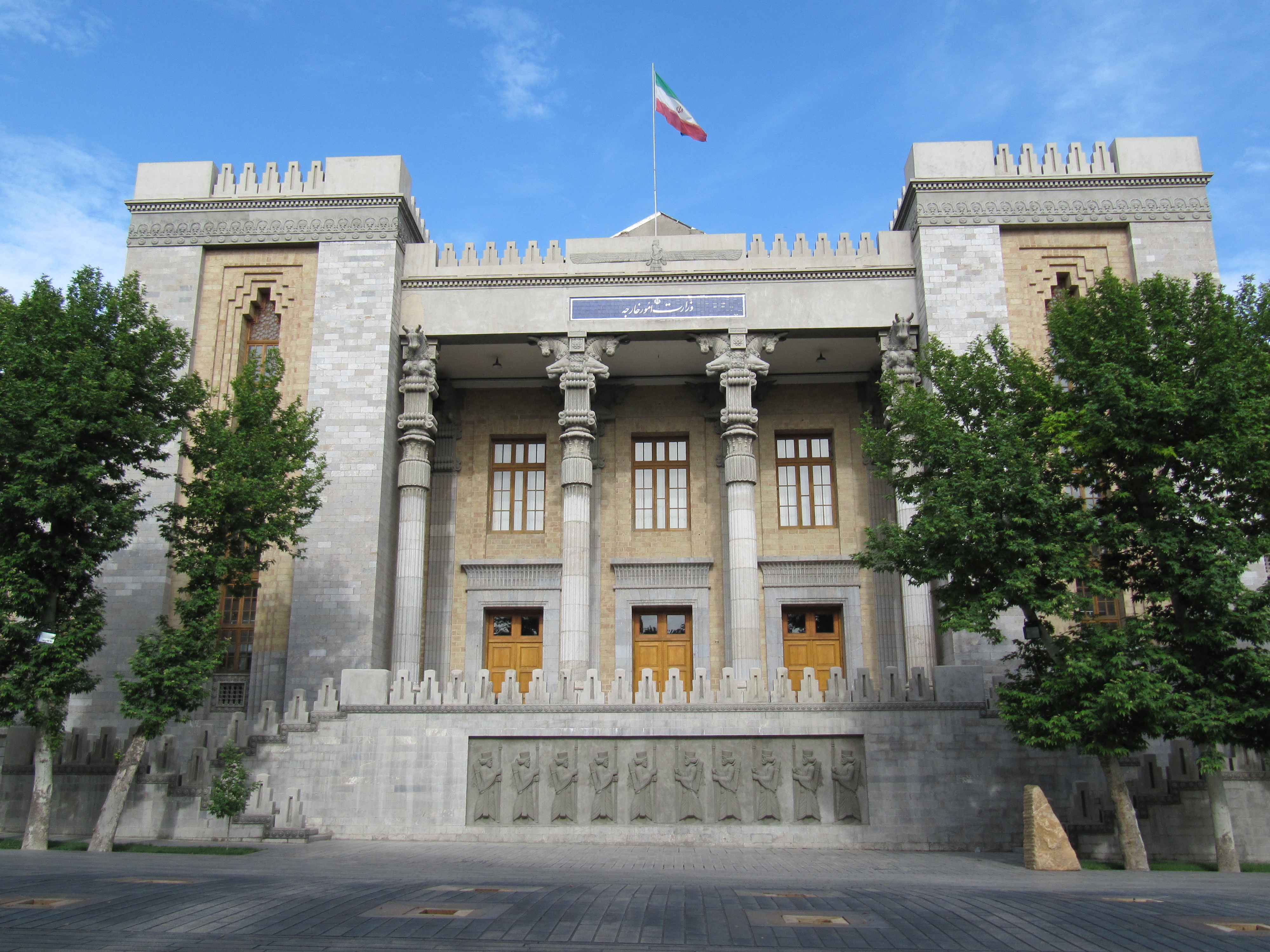
Pakistani Interior Minister Syed Mohsin Naqvi arrived in Tehran on Saturday to meet with Iranian officials regarding regional peace and diplomacy [1, 2, 3].
The visit signals Pakistan's attempt to act as a diplomatic bridge between Tehran and Washington. By facilitating a restart of stalled U.S.-Iran peace talks, Islamabad seeks to stabilize a volatile region where security tensions often spill over borders.
Naqvi met with Iranian Interior Minister Eskandar Momeni during the trip [1, 2]. The discussions focused on fostering regional peace and exploring ways to overcome the mistrust that has historically hindered negotiations between the U.S. and Iran [2, 4, 5].
According to reports, the visit was unannounced [3]. The Pakistani minister is scheduled to remain in the Iranian capital for two days [6].
Officials from both nations said diplomatic engagement is necessary to ensure stability [2]. The meeting comes at a time when regional dynamics remain fragile, making the role of a third-party facilitator critical for potential breakthroughs in peace talks [4, 5].
Naqvi's presence in Tehran emphasizes a strategic shift toward active mediation. The talks aim to address the core grievances and security concerns that have left U.S.-Iran relations in a state of deadlock for years [4, 5].
“The visit signals Pakistan's attempt to act as a diplomatic bridge between Tehran and Washington.”
Pakistan's decision to facilitate talks between the U.S. and Iran suggests a strategic desire to reduce regional volatility. By positioning itself as a mediator, Islamabad can increase its diplomatic leverage and potentially mitigate the security risks associated with the prolonged friction between Washington and Tehran.


'%2F%3E%0A%20%20%20%20%3Crect%20width%3D'1600'%20height%3D'900'%20fill%3D'url(%23v)'%2F%3E%0A%20%20%20%20%3Cg%20opacity%3D'0.08'%20fill%3D'%23ffffff'%3E%0A%20%20%20%20%20%20%3Ccircle%20cx%3D'1420'%20cy%3D'180'%20r%3D'220'%2F%3E%0A%20%20%20%20%20%20%3Ccircle%20cx%3D'1500'%20cy%3D'760'%20r%3D'120'%2F%3E%0A%20%20%20%20%3C%2Fg%3E%0A%20%20%20%20%3Cline%20x1%3D'80'%20y1%3D'172'%20x2%3D'220'%20y2%3D'172'%20stroke%3D'%23ffffff'%20stroke-width%3D'3'%20stroke-opacity%3D'0.6'%2F%3E%0A%20%20%20%20%3Ctext%20x%3D'80'%20y%3D'140'%20font-family%3D'Inter%2C%20-apple-system%2C%20Helvetica%2C%20sans-serif'%20font-weight%3D'700'%20font-size%3D'28'%20fill%3D'%23ffffff'%20letter-spacing%3D'6'%3EHANNA%20%C2%B7%20NEWS%3C%2Ftext%3E%0A%20%20%20%20%3Ctext%20x%3D'80'%20y%3D'230'%20font-family%3D'Inter%2C%20-apple-system%2C%20Helvetica%2C%20sans-serif'%20font-weight%3D'600'%20font-size%3D'40'%20fill%3D'%23ffffffb3'%20letter-spacing%3D'4'%3EWORLD%3C%2Ftext%3E%0A%20%20%20%20%3Ctext%20x%3D'80'%20y%3D'694'%20font-family%3D'Playfair%20Display%2C%20Georgia%2C%20serif'%20font-weight%3D'800'%20font-size%3D'110'%20fill%3D'%23ffffff'%20letter-spacing%3D'-1'%3EBending%20Spoons%20Plans%20US%20IPO%3C%2Ftext%3E%3Ctext%20x%3D'80'%20y%3D'820'%20font-family%3D'Playfair%20Display%2C%20Georgia%2C%20serif'%20font-weight%3D'800'%20font-size%3D'110'%20fill%3D'%23ffffff'%20letter-spacing%3D'-1'%3Eto%20Raise%20%241.6%20Billion%3C%2Ftext%3E%0A%20%20%20%20%3Ctext%20x%3D'80'%20y%3D'870'%20font-family%3D'Inter%2C%20-apple-system%2C%20Helvetica%2C%20sans-serif'%20font-weight%3D'500'%20font-size%3D'22'%20fill%3D'%23ffffff66'%20letter-spacing%3D'2'%3Enews.hanna-ai.com%3C%2Ftext%3E%0A%20%20%3C%2Fsvg%3E)