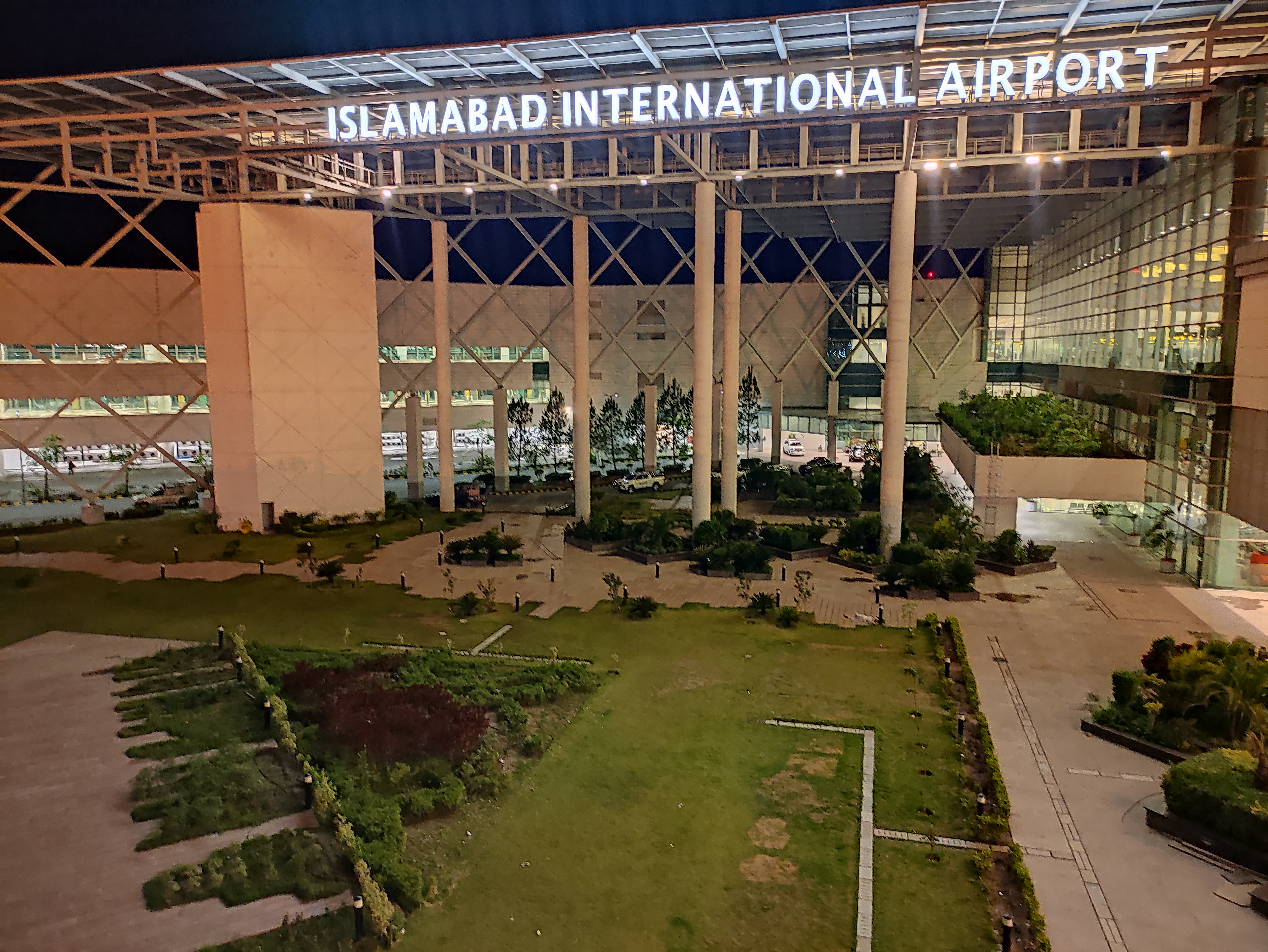
Pakistan's Civil Aviation Authority and the Ministry of Aviation will establish the country's first EASA-approved aircraft maintenance facility at Islamabad Airport [1].
This development marks a significant shift in Pakistan's aviation infrastructure by aligning domestic maintenance capabilities with European Union Aviation Safety Agency (EASA) standards. By establishing a Maintenance, Repair and Overhaul (MRO) center that meets these international benchmarks, the country aims to reduce reliance on foreign facilities for high-level aircraft servicing.
The project is part of a larger expansion plan for the Islamabad International Airport. Officials said that the airport will receive three new aviation facilities [1]. The MRO center serves as the centerpiece of this initiative, designed to ensure that aircraft maintenance is conducted according to the strictest global safety protocols.
Developing this capacity is intended to support the growth of the domestic airline industry. Currently, many carriers must send aircraft abroad for specific certifications or complex repairs, a process that increases operational costs and causes scheduling delays. The new facility will allow for these services to be performed locally while maintaining the certification required for international flight operations.
The Ministry of Aviation said the facility will bring Pakistan's aviation maintenance capabilities up to international standards [1]. This move is expected to enhance the safety profile of the national fleet and potentially attract foreign carriers to utilize the hub for their own maintenance needs.
While the announcement focuses on the MRO center, the addition of two other facilities will further modernize the airport's operational capacity [1]. These investments reflect a broader strategy to transform Islamabad International Airport into a more competitive regional aviation hub.
“Pakistan's Civil Aviation Authority will set up the country's first EASA-approved MRO facility.”
The establishment of an EASA-approved MRO facility signifies Pakistan's intent to integrate more deeply with global aviation safety frameworks. Because EASA certification is widely recognized worldwide, this facility not only improves domestic safety and efficiency but also positions Pakistan to potentially export maintenance services to other regional airlines, turning a previous operational cost into a potential revenue stream.


