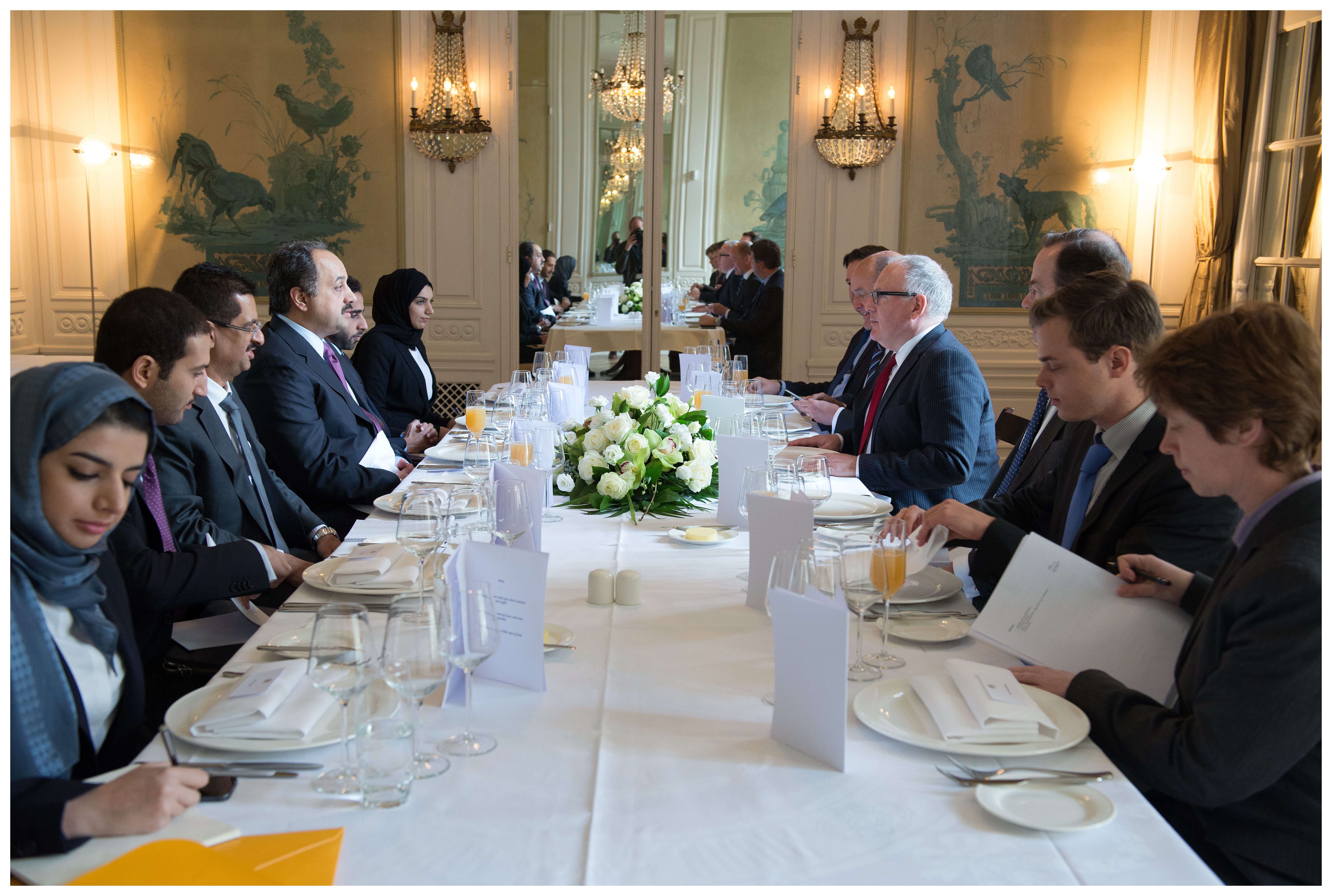
Prime Minister Shehbaz Sharif and Petroleum Minister Ali Pervaiz Malik announced adjustments to petrol prices in Pakistan on May 26, 2023.
These pricing shifts occur as the government attempts to manage fuel volatility caused by the Israel-Iran war and a broader regional energy crisis. Because fuel costs directly impact transportation and inflation, any change in rates affects the entire national economy.
Reports regarding the specific direction of the price change are contradictory. One report said that the government cut the petrol rate by Rs 80 per litre [1], bringing the new price to Rs 378 per litre [1]. This report noted that diesel prices would remain the same [1].
Conversely, a separate report indicated a massive fuel hike occurred despite mediation efforts involving the U.S. and Iran regarding the Hormuz Strait [2]. According to this source, petrol prices were raised by PKR 137 per litre [2].
The discrepancy between these two reports highlights the volatility of the energy market during the period of regional instability. Government officials have sought to address these concerns as the country navigates the pressures of international conflict, and domestic economic strain.
Official figures from the ministry are intended to stabilize the market, but the conflicting data on whether prices rose by PKR 137 [2] or fell by Rs 80 [1] creates uncertainty for consumers and industry leaders alike.
“Petrol prices were cut by Rs 80 per litre, to Rs 378 per litre.”
The contradiction in reported fuel prices reflects the extreme instability of Pakistan's energy sector during a period of geopolitical conflict. Whether the government implemented a subsidy or passed on costs to consumers, the volatility underscores the country's vulnerability to disruptions in the Hormuz Strait and the ongoing tensions between Israel and Iran.