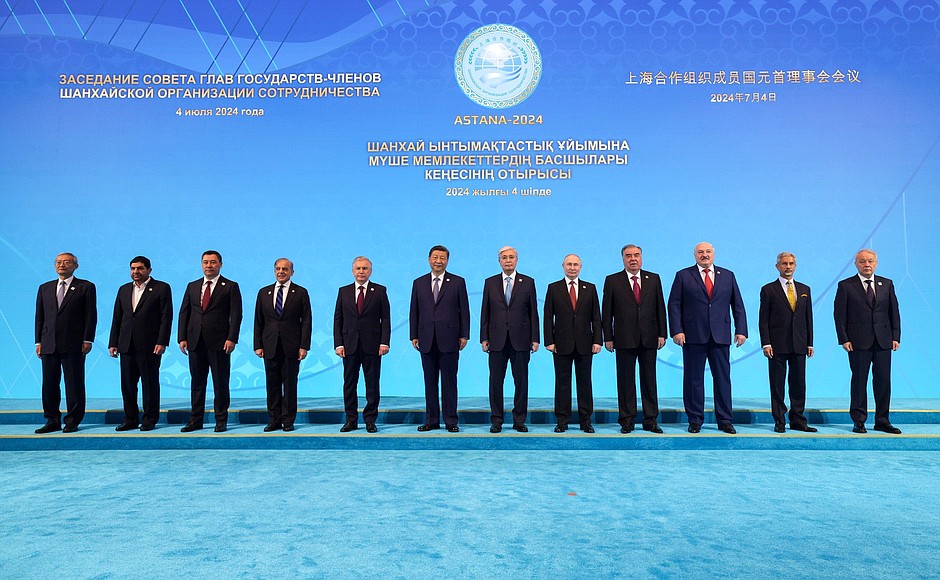
The Pakistani government reduced petrol prices by Rs80 per litre following an earlier increase of Rs27 per litre announced on Friday [1], [2].
These rapid fluctuations reflect the government's struggle to balance the national subsidy burden against public pressure and the volatility of energy costs. The reversal follows protests over the initial sharp hike, signaling a sensitive political environment regarding fuel inflation.
Prime Minister Shehbaz Sharif first announced the price hike to manage the state's financial obligations. "We have increased the price of petrol by Rs27 per litre," Sharif said [1].
However, the administration later pivoted to lower the cost for consumers. The reduction brought the new petrol price to Rs378 per litre [2]. This secondary move was designed to alleviate the immediate financial shock to the public while utilizing a different fiscal mechanism.
Sharif said that the government would use the petroleum levy to offset the cost of the reduction. "The government will absorb the cut‑through adjustments in the petroleum levy," Sharif said [2].
By shifting the cost from a direct price point to a levy adjustment, the government aims to maintain a steady flow of revenue without triggering further civil unrest. This strategy allows the federal government to manage the subsidy burden while providing temporary relief to motorists, and transport operators across the country.
The volatility of these changes highlights the precarious nature of energy pricing in Pakistan, where a single day can see both a price shock and a significant rebate.
“"We have increased the price of petrol by Rs27 per litre."”
The rapid reversal of fuel pricing indicates a government attempting to maintain fiscal discipline through petroleum levies while remaining susceptible to public outcry. By absorbing the cost through levy adjustments, the administration is prioritizing short-term social stability over a consistent pricing strategy, suggesting that fuel costs remain a primary trigger for political instability in the region.


