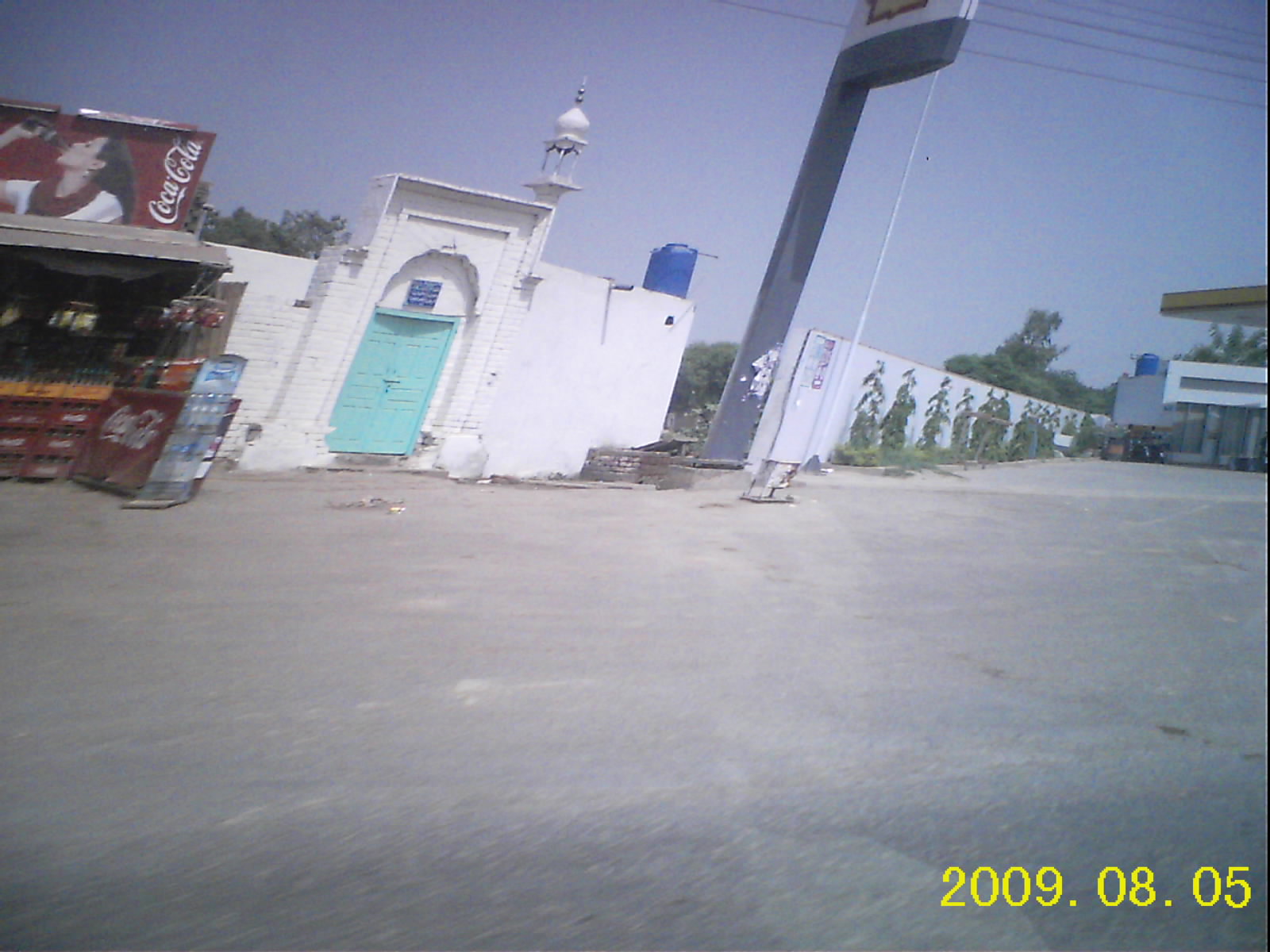
The Pakistani government announced price adjustments for petrol and high-speed diesel to align with shifting global oil market trends [1].
These fluctuations impact millions of commuters and the broader economy, as fuel costs drive inflation and transport expenses across the country [2].
According to reports from the Tribune, the government cut the price of petrol by Rs 4 per litre [2]. High-speed diesel also saw a reduction, with the price dropping by Rs 2 per litre [2]. These changes were announced for the week of Feb. 23-29, 2024 [2].
However, other reports indicate a more volatile outlook for fuel consumers. The Malaysia Sun said petrol prices were expected to increase by Rs 13 per litre [1]. This potential hike is attributed to a surge in global oil prices, which threatens to offset previous reductions [1].
The Shahbaz Sharif administration has faced pressure to convince the public that prices are falling amid these contradictions [3]. The government continues to balance the need to protect consumers from sudden price shocks with the fiscal necessity of reflecting international market rates [1, 3].
Fuel pricing in Pakistan remains sensitive to the performance of crude oil on the world market. While some reports highlight immediate cuts, the overarching trend remains tied to global volatility, leaving consumers braced for potential future increases [1, 2].
“The government cut the price of petrol by Rs 4 per litre.”
The contradiction between reported price cuts and expected hikes reflects the high volatility of the global energy market and its immediate impact on Pakistan's economy. Because the government frequently adjusts domestic prices to match international crude trends, consumers face unpredictable costs that can shift weekly, complicating financial planning for both households, and the transport sector.


