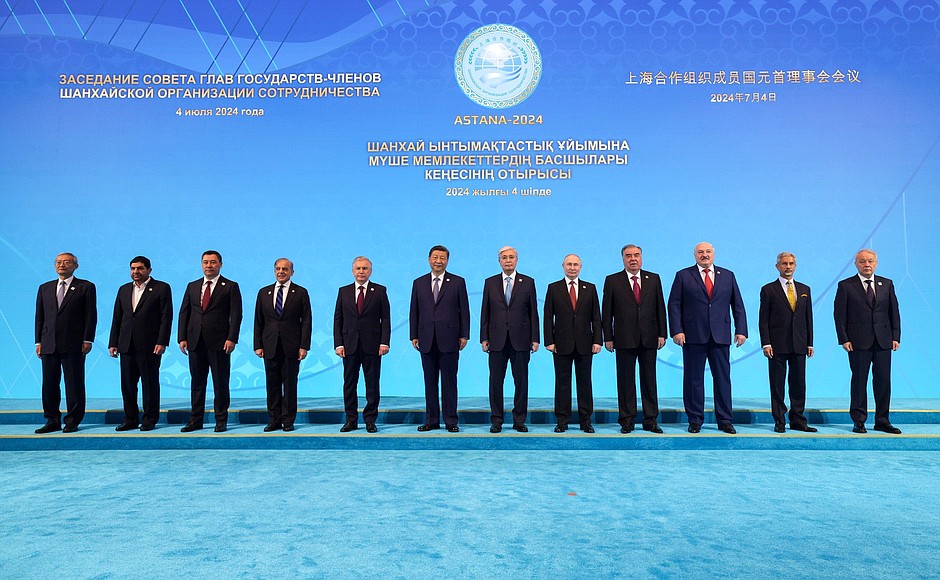
The Pakistani government reduced the price of petrol by Rs 80 per litre, bringing the new rate to Rs 378 per litre [1].
This price adjustment comes as the government attempts to stabilize the domestic economy against external shocks. Fuel costs in Pakistan are highly sensitive to geopolitical instability, which often leads to rapid price fluctuations at the pump.
Prime Minister Shehbaz Sharif and Energy Minister Hammad Azhar announced the reduction in response to volatile global oil markets [1]. Government officials said the ongoing conflict between Israel and Iran was a primary driver for the decision to lower rates [1].
While petrol prices were lowered, the government announced that diesel prices will remain the same [1]. The decision to maintain diesel rates suggests a targeted approach to provide relief to private commuters without altering the cost structure for heavy transport, and industrial machinery.
This reduction follows a period of significant volatility. Some reports indicate that Pakistan recently experienced an unprecedented surge in petroleum prices [2]. The government has previously justified these hikes by pointing to the rising cost of global crude oil [2].
Officials said that comparing fuel prices solely based on recent hikes is misleading [2]. They said that current pricing levels, even after previous surges, remain lower than regional averages [2]. The current cut aims to mitigate the immediate impact of international tensions on the Pakistani consumer.
“The Pakistani government reduced the price of petrol by Rs 80 per litre”
The divergence between petrol and diesel pricing indicates a strategic effort by the Sharif administration to balance public sentiment with industrial stability. By lowering petrol costs during a period of Middle East instability, the government is attempting to prevent a domestic inflation spiral, though the decision to hold diesel steady suggests limited fiscal room for broad subsidies.


