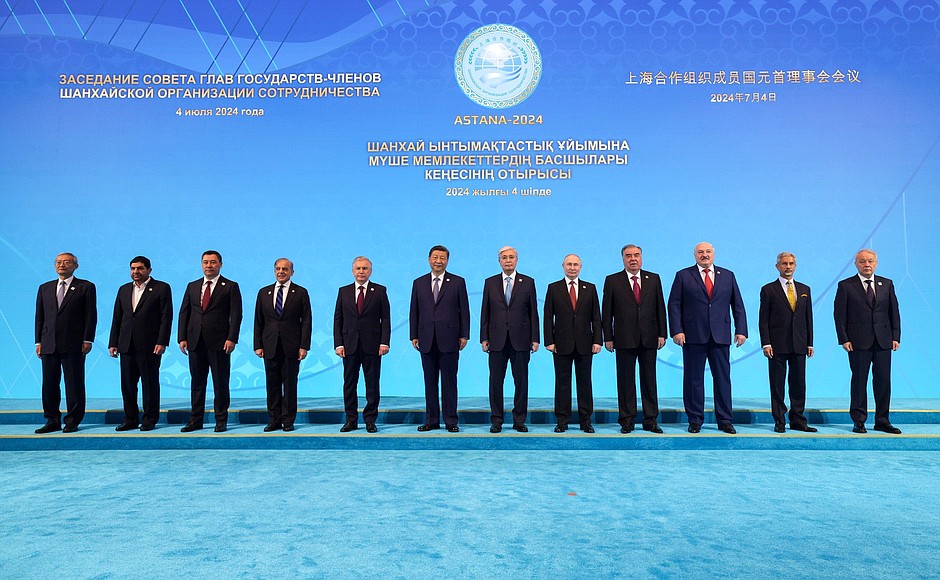
The Pakistani government has reduced the price of petrol by Rs 80 per litre [1], bringing the new rate to Rs 378 per litre [1].
This price adjustment comes as the administration attempts to shield citizens from volatile global energy markets. The move follows a sharp surge in petroleum prices triggered by the ongoing conflict between Israel and Iran, which has destabilized oil supplies and increased costs worldwide.
Prime Minister Shehbaz Sharif announced the reduction during a late-night address [1]. The government said the decision was necessary to mitigate the impact of rising global oil prices and ease the financial burden on the public [1]. While petrol consumers will see a decrease in costs, the government said that diesel prices will remain unchanged [1].
Despite the reduction in the base price of petrol, the cost of fuel remains a significant point of contention for the Pakistani public. Reports indicate that the tax burden on the public currently stands at Rs 198 per litre [2]. This tax component represents a substantial portion of the total cost per litre, limiting the overall relief provided by the government's price cut.
The volatility of the energy sector continues to pressure the national economy. The administration is balancing the need to provide affordable fuel to the populace while managing the fiscal constraints of a strained national budget, a challenge exacerbated by geopolitical tensions in the Middle East.
Government officials said the measure is a direct response to the economic instability caused by the Israel-Iran war [1]. The decision aims to prevent further inflation in transport and logistics, which typically drives up the cost of essential goods across the country.
“The Pakistani government has reduced the price of petrol by Rs 80 per litre.”
The reduction in petrol prices serves as a short-term fiscal intervention to prevent social unrest and hyperinflation. However, the high tax burden of Rs 198 per litre suggests that the government is relying heavily on fuel levies to maintain state revenue, meaning the public remains vulnerable to global price swings despite temporary subsidies.


