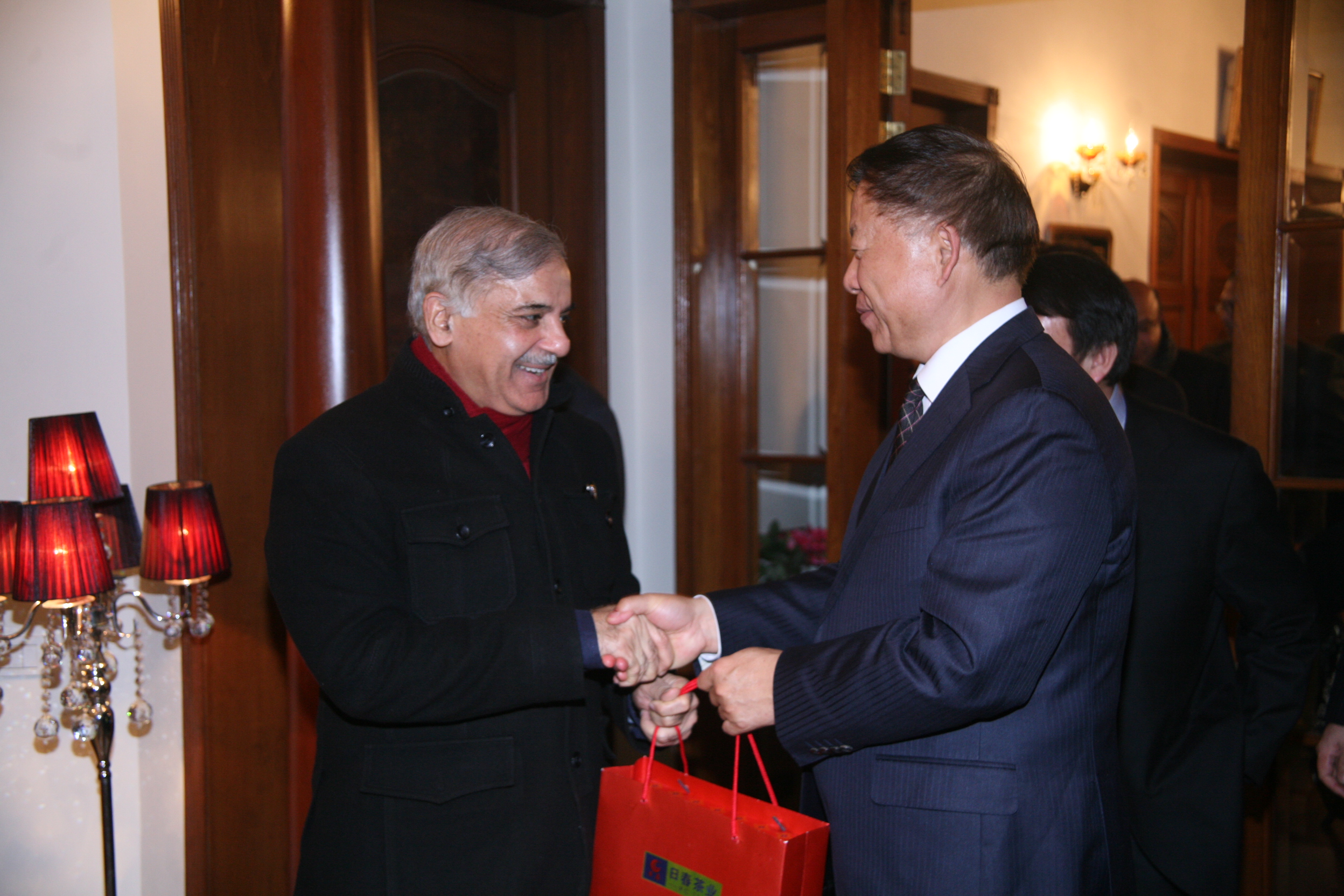
Pakistan Prime Minister Shehbaz Sharif arrived in Beijing on May 23, 2024, for high-stakes talks with President Xi Jinping [1].
The visit comes as Pakistan seeks to stabilize its economy and navigate volatile regional dynamics, specifically regarding the conflict involving Iran and the U.S. Strengthening ties with China is critical for Pakistan's infrastructure and security goals.
The state visit is scheduled to run through May 26, 2024 [2], though some reports describe the trip as a three-day engagement [3]. During the visit, Sharif is expected to meet with President Xi and Premier Li to coordinate on trade, defense, and infrastructure projects [2].
A central focus of the diplomacy is the "all-weather strategic partnership" between the two nations [2]. Sharif said, "We reaffirm our all-weather strategic partnership."
Economic instability remains a primary concern for the Pakistani leader. The regional volatility linked to the Iran conflict has created significant headwinds for the country's financial recovery. Sharif said, "The US-Iran war has reversed Pakistan's economic progress of the last two years."
Beyond economic aid, the leaders are expected to discuss energy security and regional tension issues [2]. The coordination between Beijing and Islamabad is intended to address the spillover effects of the Iran conflict, and ensure the continued progress of joint strategic initiatives [2, 3].
“"We reaffirm our all-weather strategic partnership."”
This visit underscores Pakistan's reliance on China as a primary economic and security guarantor. By linking its economic setbacks directly to the US-Iran conflict, Pakistan is signaling to Beijing that regional stability is a prerequisite for its financial recovery. The focus on 'all-weather' cooperation suggests that Islamabad is seeking deeper commitments from China to offset the volatility caused by Western-led tensions in the Middle East.


'%2F%3E%0A%20%20%20%20%3Crect%20width%3D'1600'%20height%3D'900'%20fill%3D'url(%23v)'%2F%3E%0A%20%20%20%20%3Cg%20opacity%3D'0.08'%20fill%3D'%23ffffff'%3E%0A%20%20%20%20%20%20%3Ccircle%20cx%3D'1420'%20cy%3D'180'%20r%3D'220'%2F%3E%0A%20%20%20%20%20%20%3Ccircle%20cx%3D'1500'%20cy%3D'760'%20r%3D'120'%2F%3E%0A%20%20%20%20%3C%2Fg%3E%0A%20%20%20%20%3Cline%20x1%3D'80'%20y1%3D'172'%20x2%3D'220'%20y2%3D'172'%20stroke%3D'%23ffffff'%20stroke-width%3D'3'%20stroke-opacity%3D'0.6'%2F%3E%0A%20%20%20%20%3Ctext%20x%3D'80'%20y%3D'140'%20font-family%3D'Inter%2C%20-apple-system%2C%20Helvetica%2C%20sans-serif'%20font-weight%3D'700'%20font-size%3D'28'%20fill%3D'%23ffffff'%20letter-spacing%3D'6'%3EHANNA%20%C2%B7%20NEWS%3C%2Ftext%3E%0A%20%20%20%20%3Ctext%20x%3D'80'%20y%3D'230'%20font-family%3D'Inter%2C%20-apple-system%2C%20Helvetica%2C%20sans-serif'%20font-weight%3D'600'%20font-size%3D'40'%20fill%3D'%23ffffffb3'%20letter-spacing%3D'4'%3EWORLD%3C%2Ftext%3E%0A%20%20%20%20%3Ctext%20x%3D'80'%20y%3D'622'%20font-family%3D'Playfair%20Display%2C%20Georgia%2C%20serif'%20font-weight%3D'800'%20font-size%3D'86'%20fill%3D'%23ffffff'%20letter-spacing%3D'-1'%3EBonnie%20Tyler%2C%20%26apos%3BTotal%3C%2Ftext%3E%3Ctext%20x%3D'80'%20y%3D'721'%20font-family%3D'Playfair%20Display%2C%20Georgia%2C%20serif'%20font-weight%3D'800'%20font-size%3D'86'%20fill%3D'%23ffffff'%20letter-spacing%3D'-1'%3EEclipse%20of%20the%20Heart%26apos%3B%3C%2Ftext%3E%3Ctext%20x%3D'80'%20y%3D'820'%20font-family%3D'Playfair%20Display%2C%20Georgia%2C%20serif'%20font-weight%3D'800'%20font-size%3D'86'%20fill%3D'%23ffffff'%20letter-spacing%3D'-1'%3Esinger%2C%20dies%20at%2075%3C%2Ftext%3E%0A%20%20%20%20%3Ctext%20x%3D'80'%20y%3D'870'%20font-family%3D'Inter%2C%20-apple-system%2C%20Helvetica%2C%20sans-serif'%20font-weight%3D'500'%20font-size%3D'22'%20fill%3D'%23ffffff66'%20letter-spacing%3D'2'%3Enews.hanna-ai.com%3C%2Ftext%3E%0A%20%20%3C%2Fsvg%3E)