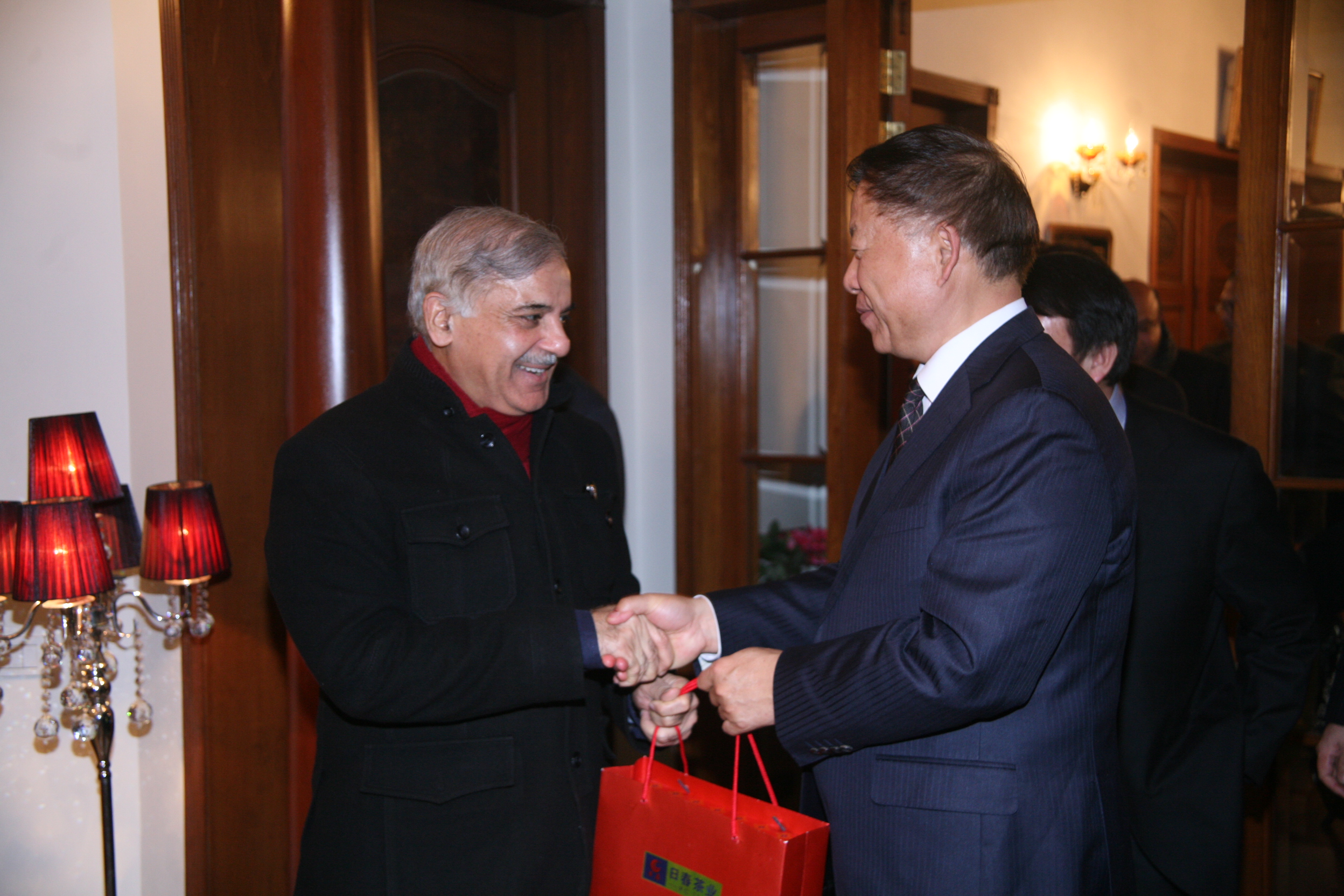
Pakistani Prime Minister Shehbaz Sharif began a four-day official visit to China on Saturday to deepen economic cooperation and strengthen bilateral ties [1].
This visit occurs as both nations seek to reaffirm their "all-weather strategic partnership" during a period of regional instability. The high-level diplomatic engagement underscores Pakistan's reliance on Chinese investment and political support to stabilize its domestic economy.
The trip, scheduled from May 23 to May 26, 2026 [2], includes high-level meetings in Beijing with President Xi Jinping and Premier Li Qiang [3]. Sharif's itinerary involves discussions focused on expanding economic cooperation and promoting the strategic interests of both countries [3].
A central theme of the visit is the celebration of the 75th anniversary of diplomatic relations between Pakistan and China [4]. The milestone serves as a backdrop for talks aimed at increasing trade and infrastructure development, key pillars of the long-standing alliance.
Reports indicate the Prime Minister's journey included a departure from Hangzhou before proceeding to the capital for the primary summits [5]. These meetings are intended to solidify the economic framework that governs the two nations' interactions.
While the primary focus remains on the bilateral relationship, the visit takes place amid a fragile truce between the U.S. and Iran [6]. This geopolitical context adds a layer of complexity to the regional security discussions expected during the four-day window [1].
Sharif is expected to utilize the remaining days of the trip to secure further commitments for industrial and technological partnerships. The meetings with Premier Li Qiang will specifically address the operational details of joint economic ventures [3].
“The visit occurs as both nations seek to reaffirm their "all-weather strategic partnership."”
The 75th anniversary of diplomatic ties provides a symbolic opportunity for Pakistan to secure critical economic concessions and investment from Beijing. By reinforcing the 'all-weather' nature of the partnership, Sharif aims to ensure continued Chinese backing for infrastructure projects and financial stability, especially as regional tensions involving the U.S. and Iran create a volatile security environment in South Asia.

'%2F%3E%0A%20%20%20%20%3Crect%20width%3D'1600'%20height%3D'900'%20fill%3D'url(%23v)'%2F%3E%0A%20%20%20%20%3Cg%20opacity%3D'0.08'%20fill%3D'%23ffffff'%3E%0A%20%20%20%20%20%20%3Ccircle%20cx%3D'1420'%20cy%3D'180'%20r%3D'220'%2F%3E%0A%20%20%20%20%20%20%3Ccircle%20cx%3D'1500'%20cy%3D'760'%20r%3D'120'%2F%3E%0A%20%20%20%20%3C%2Fg%3E%0A%20%20%20%20%3Cline%20x1%3D'80'%20y1%3D'172'%20x2%3D'220'%20y2%3D'172'%20stroke%3D'%23ffffff'%20stroke-width%3D'3'%20stroke-opacity%3D'0.6'%2F%3E%0A%20%20%20%20%3Ctext%20x%3D'80'%20y%3D'140'%20font-family%3D'Inter%2C%20-apple-system%2C%20Helvetica%2C%20sans-serif'%20font-weight%3D'700'%20font-size%3D'28'%20fill%3D'%23ffffff'%20letter-spacing%3D'6'%3EHANNA%20%C2%B7%20NEWS%3C%2Ftext%3E%0A%20%20%20%20%3Ctext%20x%3D'80'%20y%3D'230'%20font-family%3D'Inter%2C%20-apple-system%2C%20Helvetica%2C%20sans-serif'%20font-weight%3D'600'%20font-size%3D'40'%20fill%3D'%23ffffffb3'%20letter-spacing%3D'4'%3EWORLD%3C%2Ftext%3E%0A%20%20%20%20%3Ctext%20x%3D'80'%20y%3D'622'%20font-family%3D'Playfair%20Display%2C%20Georgia%2C%20serif'%20font-weight%3D'800'%20font-size%3D'86'%20fill%3D'%23ffffff'%20letter-spacing%3D'-1'%3EEl%20Salvador%20Seizes%20Record%3C%2Ftext%3E%3Ctext%20x%3D'80'%20y%3D'721'%20font-family%3D'Playfair%20Display%2C%20Georgia%2C%20serif'%20font-weight%3D'800'%20font-size%3D'86'%20fill%3D'%23ffffff'%20letter-spacing%3D'-1'%3E6.68%20Tonnes%20of%20Cocaine%20in%3C%2Ftext%3E%3Ctext%20x%3D'80'%20y%3D'820'%20font-family%3D'Playfair%20Display%2C%20Georgia%2C%20serif'%20font-weight%3D'800'%20font-size%3D'86'%20fill%3D'%23ffffff'%20letter-spacing%3D'-1'%3EPacific%20Ocean%3C%2Ftext%3E%0A%20%20%20%20%3Ctext%20x%3D'80'%20y%3D'870'%20font-family%3D'Inter%2C%20-apple-system%2C%20Helvetica%2C%20sans-serif'%20font-weight%3D'500'%20font-size%3D'22'%20fill%3D'%23ffffff66'%20letter-spacing%3D'2'%3Enews.hanna-ai.com%3C%2Ftext%3E%0A%20%20%3C%2Fsvg%3E)
