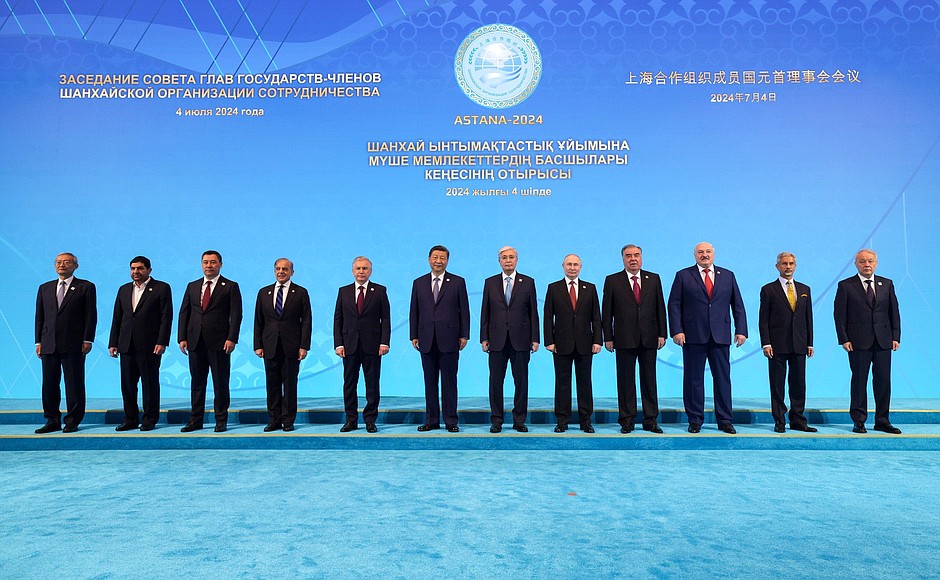
Prime Minister Shehbaz Sharif vowed to completely eliminate terrorism from Pakistan following a terrorist attack on a police post in Bannu [1].
The pledge comes as the government faces mounting pressure to secure the Khyber Pakhtunkhwa province and manage the security implications of a nearing end to a temporary cease-fire with Afghanistan [2].
Sharif condemned the attack in the Bannu district and said the federal government will provide full support to the provincial authorities in Khyber Pakhtunkhwa [1]. The prime minister emphasized a commitment to eradicating the menace of terrorism to ensure national stability.
This security push aligns with broader diplomatic efforts to maintain regional order. Foreign Minister Bilawal Bhutto Zardari said, "Pakistan remains committed to eradicating the menace of terrorism" [2].
The attack in Bannu is the latest in a series of security challenges facing the region. The government's response focuses on strengthening police infrastructure and increasing federal coordination to prevent further incursions into provincial districts [1].
Officials are monitoring the border situation closely as the Afghan truce period concludes. The administration has indicated that federal resources will be prioritized for the affected areas of Khyber Pakhtunkhwa to prevent further escalation [1], [2].
“Pakistan remains committed to eradicating the menace of terrorism.”
The Pakistani government is attempting to project a zero-tolerance policy toward militancy at a critical geopolitical juncture. The timing of these vows—coinciding with the expiration of a cease-fire with Afghanistan—suggests that Islamabad anticipates a potential rise in cross-border instability and is attempting to fortify its internal security apparatus before conditions deteriorate further.


