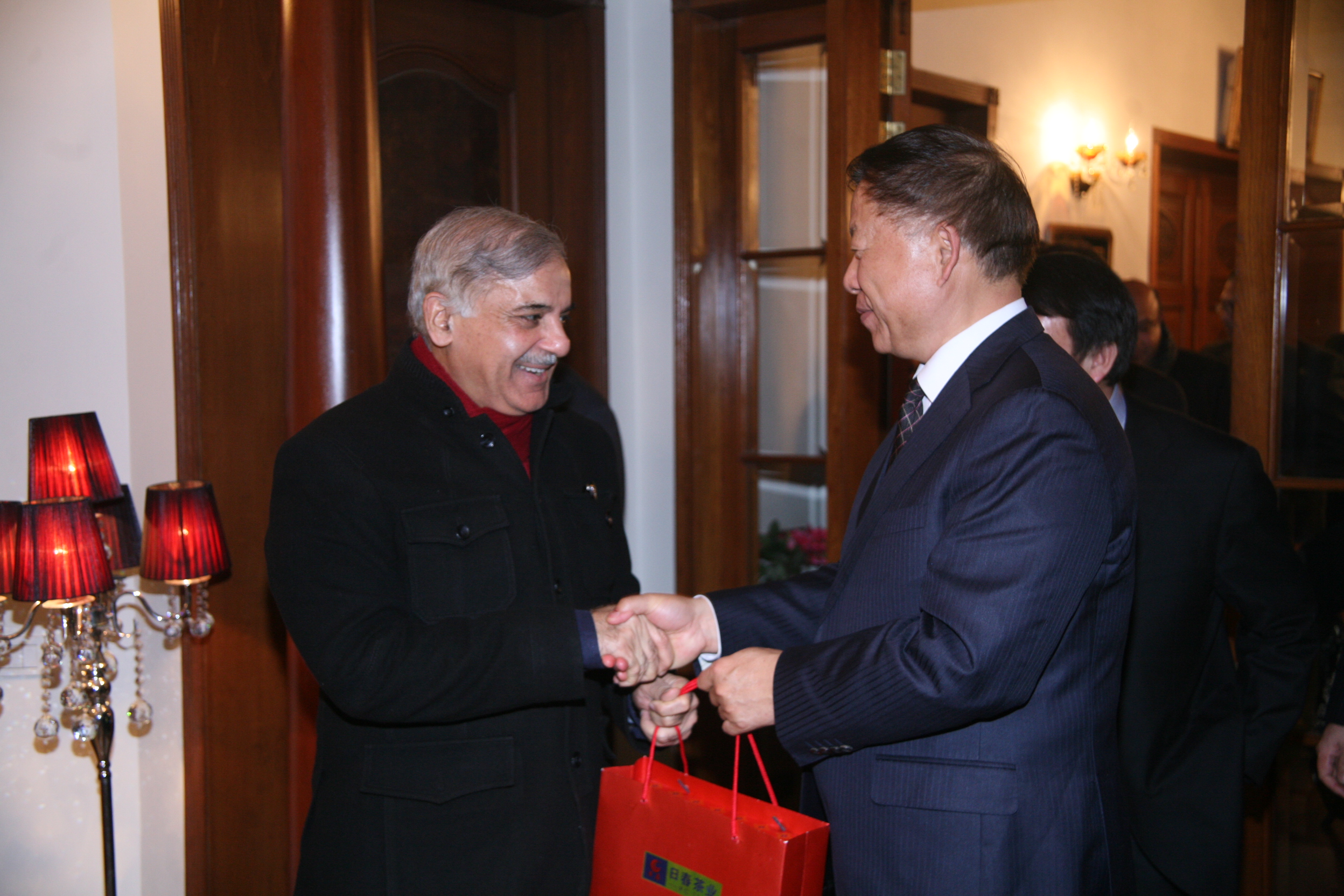
Pakistani Prime Minister Shehbaz Sharif began an official state visit to China on May 23 to meet with President Xi Jinping [1].
The visit occurs as Pakistan seeks to position itself as a mediator in the conflict between the U.S. and Iran, while leveraging its strategic partnership with Beijing to secure diplomatic backing.
Sharif is scheduled to remain in China until May 26 [1]. While some reports describe the trip as a three-day visit [2], other sources identify it as a four-day mission [1]. The itinerary begins with an initial leg in Hangzhou before moving to meetings in Beijing [1, 3].
A primary objective of the trip is to mark the 75th anniversary of formal diplomatic ties between China and Pakistan [4]. The two nations intend to use the milestone to deepen economic cooperation, and strengthen their strategic alliance [1].
Beyond bilateral ties, Sharif is soliciting Chinese support for Pakistan's role in mediating the Iran-U.S. conflict [2]. This diplomatic push seeks to bring renewed urgency to negotiations between Washington and Tehran to stabilize the Middle East region [2].
The visit emphasizes the multifaceted nature of the China-Pakistan relationship, blending economic necessity with high-level geopolitical ambitions. By aligning with Beijing on Middle East peace drives, Pakistan aims to elevate its standing as a regional diplomatic power [2, 4].
“Pakistani Prime Minister Shehbaz Sharif began an official state visit to China on May 23.”
This visit signals Pakistan's attempt to transition from a bilateral security partner of China to a broader regional mediator. By seeking Beijing's endorsement for U.S.-Iran talks, Islamabad is leveraging its 'all-weather' friendship with China to gain leverage in Western diplomatic circles, effectively using its relationship with a global superpower to facilitate dialogue between two other adversarial powers.

'%2F%3E%0A%20%20%20%20%3Crect%20width%3D'1600'%20height%3D'900'%20fill%3D'url(%23v)'%2F%3E%0A%20%20%20%20%3Cg%20opacity%3D'0.08'%20fill%3D'%23ffffff'%3E%0A%20%20%20%20%20%20%3Ccircle%20cx%3D'1420'%20cy%3D'180'%20r%3D'220'%2F%3E%0A%20%20%20%20%20%20%3Ccircle%20cx%3D'1500'%20cy%3D'760'%20r%3D'120'%2F%3E%0A%20%20%20%20%3C%2Fg%3E%0A%20%20%20%20%3Cline%20x1%3D'80'%20y1%3D'172'%20x2%3D'220'%20y2%3D'172'%20stroke%3D'%23ffffff'%20stroke-width%3D'3'%20stroke-opacity%3D'0.6'%2F%3E%0A%20%20%20%20%3Ctext%20x%3D'80'%20y%3D'140'%20font-family%3D'Inter%2C%20-apple-system%2C%20Helvetica%2C%20sans-serif'%20font-weight%3D'700'%20font-size%3D'28'%20fill%3D'%23ffffff'%20letter-spacing%3D'6'%3EHANNA%20%C2%B7%20NEWS%3C%2Ftext%3E%0A%20%20%20%20%3Ctext%20x%3D'80'%20y%3D'230'%20font-family%3D'Inter%2C%20-apple-system%2C%20Helvetica%2C%20sans-serif'%20font-weight%3D'600'%20font-size%3D'40'%20fill%3D'%23ffffffb3'%20letter-spacing%3D'4'%3EWORLD%3C%2Ftext%3E%0A%20%20%20%20%3Ctext%20x%3D'80'%20y%3D'622'%20font-family%3D'Playfair%20Display%2C%20Georgia%2C%20serif'%20font-weight%3D'800'%20font-size%3D'86'%20fill%3D'%23ffffff'%20letter-spacing%3D'-1'%3EEl%20Salvador%20Seizes%20Record%3C%2Ftext%3E%3Ctext%20x%3D'80'%20y%3D'721'%20font-family%3D'Playfair%20Display%2C%20Georgia%2C%20serif'%20font-weight%3D'800'%20font-size%3D'86'%20fill%3D'%23ffffff'%20letter-spacing%3D'-1'%3E6.68%20Tonnes%20of%20Cocaine%20in%3C%2Ftext%3E%3Ctext%20x%3D'80'%20y%3D'820'%20font-family%3D'Playfair%20Display%2C%20Georgia%2C%20serif'%20font-weight%3D'800'%20font-size%3D'86'%20fill%3D'%23ffffff'%20letter-spacing%3D'-1'%3EPacific%20Ocean%3C%2Ftext%3E%0A%20%20%20%20%3Ctext%20x%3D'80'%20y%3D'870'%20font-family%3D'Inter%2C%20-apple-system%2C%20Helvetica%2C%20sans-serif'%20font-weight%3D'500'%20font-size%3D'22'%20fill%3D'%23ffffff66'%20letter-spacing%3D'2'%3Enews.hanna-ai.com%3C%2Ftext%3E%0A%20%20%3C%2Fsvg%3E)
