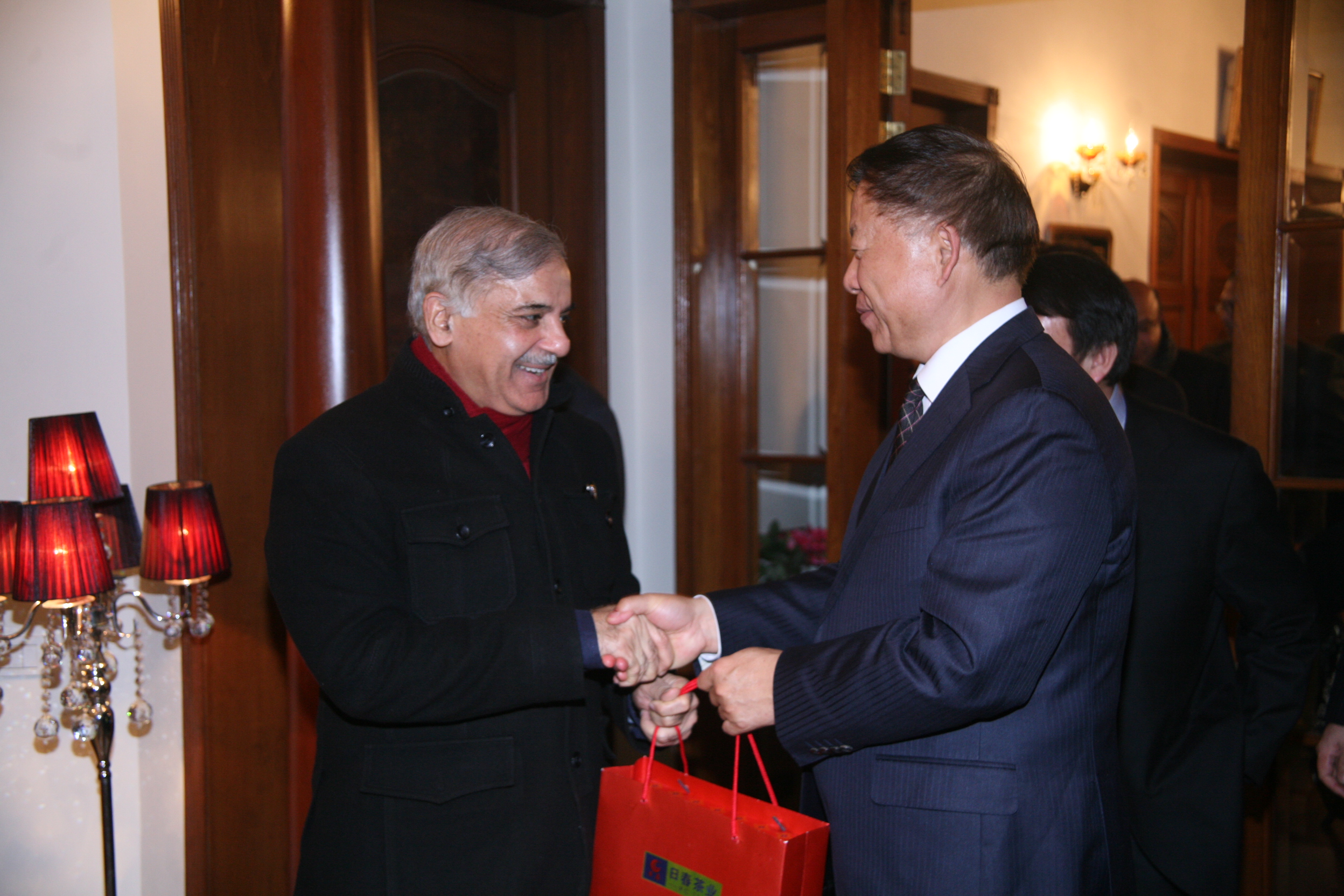
Pakistan Prime Minister Shehbaz Sharif met with Chinese President Xi Jinping in Beijing on Monday to deepen strategic and economic ties [1, 2].
The meeting comes as Pakistan seeks to stabilize its economy and accelerate infrastructure projects under the China-Pakistan Economic Corridor. Strengthening this partnership is critical for Pakistan's regional influence, and its ongoing financial recovery efforts.
Sharif is currently on a four-day official visit to China, which began on May 23 and concludes on May 26 [3]. The prime minister first arrived in Hangzhou before traveling to the capital for high-stakes talks with the Chinese leadership [4].
According to state media reports, the discussions focused on boosting bilateral cooperation and enhancing the strategic partnership between the two nations [1, 5]. A primary objective of the visit is to increase cooperation on the China-Pakistan Economic Corridor, a massive series of infrastructure projects designed to link the two countries [2, 5].
This diplomatic engagement follows a series of geopolitical shifts in the region. The visit occurs shortly after other high-profile diplomatic movements in Asia, positioning the meeting as a key moment for Pakistan to secure continued Chinese support [2].
Officials said the talks covered broader bilateral issues and the shared goal of deepening economic integration [5]. The visit underscores the interdependence of the two governments as they navigate complex global trade environments and security challenges.
“The meeting comes as Pakistan seeks to stabilize its economy and accelerate infrastructure projects.”
This meeting signals a continued commitment from Beijing to maintain Pakistan as a key strategic ally in South Asia. By focusing on the China-Pakistan Economic Corridor, both nations are attempting to transition from basic infrastructure development to a more sustainable economic phase, which is vital for Pakistan's long-term financial stability.


