
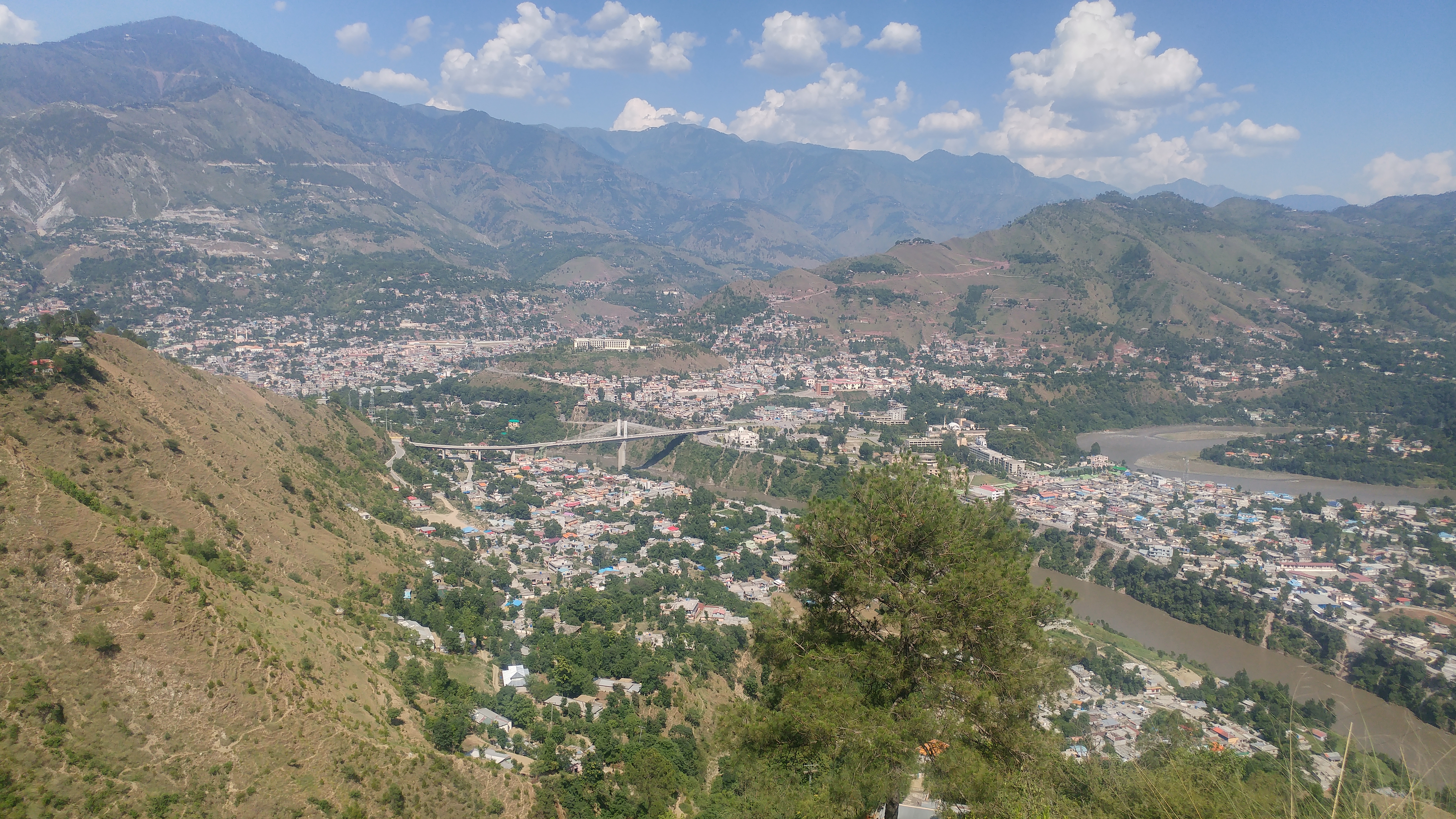
Pakistani security forces opened fire on protesters in Pakistan-occupied Kashmir, killing several civilians, including children and pregnant women.
The violence follows a government ban on the Joint Awami Action Committee (JAAC) under anti-terrorism legislation. This escalation highlights the volatile security situation in the contested region and the state's response to organized civil dissent.
The crackdown occurred on June 6 and 7, 2024 [1]. Security operations were initiated after the government banned the JAAC on June 6, 2024 [1]. The military action, associated with the leadership of army chief Asim Munir, resulted in significant civilian casualties [1], [2].
Reports indicate that the violence was particularly lethal for vulnerable populations. According to data from the crackdown, 19 children were killed [2]. Additionally, seven pregnant women died during the security operations [2].
The unrest erupted as the JAAC sought to challenge government policies. The subsequent use of lethal force by the army has drawn attention to the human rights conditions within Pakistan-occupied Kashmir. The crackdown coincided with reports of heightened tensions along the Afghanistan border, though the primary focus of the domestic violence remained the suppression of the banned committee [1].
Local reports describe a scene of chaos as security forces moved to dismantle protest sites. The use of live ammunition against civilians has intensified criticisms of the military's approach to governance in the region [1], [2].
“19 children were killed during the PoK crackdown”
The use of anti-terrorism laws to ban a civil action committee and the subsequent lethal crackdown suggest a narrowing space for political expression in Pakistan-occupied Kashmir. By targeting the JAAC, the Pakistani military is signaling a zero-tolerance policy toward organized protests that challenge state authority, further complicating the humanitarian and political landscape of the disputed territory.


'%2F%3E%0A%20%20%20%20%3Crect%20width%3D'1600'%20height%3D'900'%20fill%3D'url(%23v)'%2F%3E%0A%20%20%20%20%3Cg%20opacity%3D'0.08'%20fill%3D'%23ffffff'%3E%0A%20%20%20%20%20%20%3Ccircle%20cx%3D'1420'%20cy%3D'180'%20r%3D'220'%2F%3E%0A%20%20%20%20%20%20%3Ccircle%20cx%3D'1500'%20cy%3D'760'%20r%3D'120'%2F%3E%0A%20%20%20%20%3C%2Fg%3E%0A%20%20%20%20%3Cline%20x1%3D'80'%20y1%3D'172'%20x2%3D'220'%20y2%3D'172'%20stroke%3D'%23ffffff'%20stroke-width%3D'3'%20stroke-opacity%3D'0.6'%2F%3E%0A%20%20%20%20%3Ctext%20x%3D'80'%20y%3D'140'%20font-family%3D'Inter%2C%20-apple-system%2C%20Helvetica%2C%20sans-serif'%20font-weight%3D'700'%20font-size%3D'28'%20fill%3D'%23ffffff'%20letter-spacing%3D'6'%3EHANNA%20%C2%B7%20NEWS%3C%2Ftext%3E%0A%20%20%20%20%3Ctext%20x%3D'80'%20y%3D'230'%20font-family%3D'Inter%2C%20-apple-system%2C%20Helvetica%2C%20sans-serif'%20font-weight%3D'600'%20font-size%3D'40'%20fill%3D'%23ffffffb3'%20letter-spacing%3D'4'%3EBUSINESS%3C%2Ftext%3E%0A%20%20%20%20%3Ctext%20x%3D'80'%20y%3D'694'%20font-family%3D'Playfair%20Display%2C%20Georgia%2C%20serif'%20font-weight%3D'800'%20font-size%3D'110'%20fill%3D'%23ffffff'%20letter-spacing%3D'-1'%3EMass%20Shooting%20in%3C%2Ftext%3E%3Ctext%20x%3D'80'%20y%3D'820'%20font-family%3D'Playfair%20Display%2C%20Georgia%2C%20serif'%20font-weight%3D'800'%20font-size%3D'110'%20fill%3D'%23ffffff'%20letter-spacing%3D'-1'%3EJohannesburg%20Kills%2012%3C%2Ftext%3E%0A%20%20%20%20%3Ctext%20x%3D'80'%20y%3D'870'%20font-family%3D'Inter%2C%20-apple-system%2C%20Helvetica%2C%20sans-serif'%20font-weight%3D'500'%20font-size%3D'22'%20fill%3D'%23ffffff66'%20letter-spacing%3D'2'%3Enews.hanna-ai.com%3C%2Ftext%3E%0A%20%20%3C%2Fsvg%3E)
