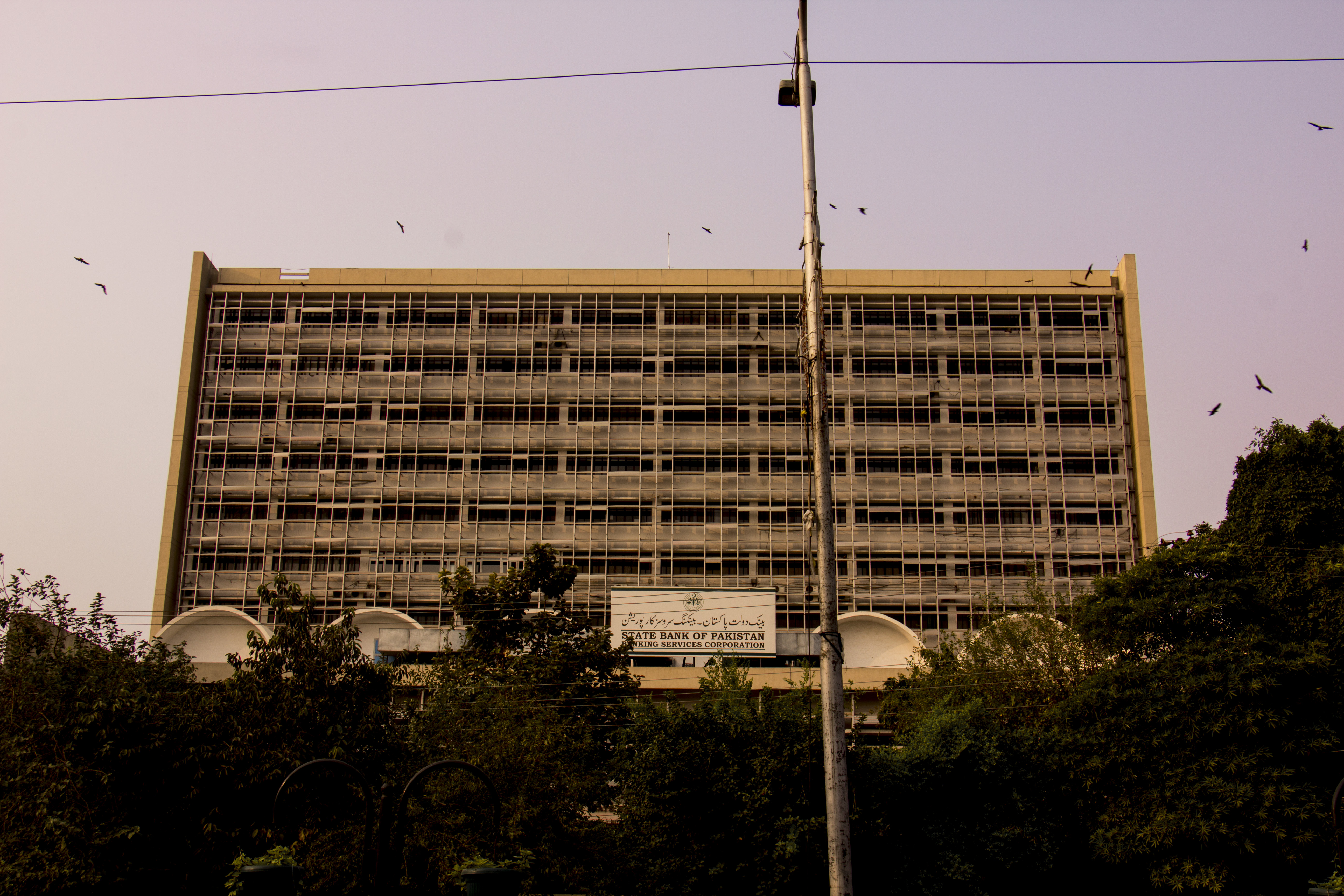
The State Bank of Pakistan confirmed that the government has paid $2 billion [1] to the United Arab Emirates.
This repayment marks a significant step in managing Pakistan's external debt obligations. Settling these deposits is critical for maintaining international credit standing and managing the country's foreign exchange reserves.
The funds were used to settle a loan and safe-deposit provided by the UAE in 2019 [1]. That initial financing was part of a broader effort to provide external support for the stabilization of Pakistan's balance-of-payments [1].
According to the State Bank of Pakistan, the UAE had sought the return of $3.5 billion [1]. The recent payment of $2 billion [1] addresses a portion of that request. The transaction was coordinated between the government in Islamabad and the central bank in Karachi.
Officials said the move is intended to normalize the bilateral financial relationship between the two nations. The repayment process follows a period of economic volatility where Pakistan relied heavily on friendly country deposits to avoid default.
While the payment reduces the immediate debt burden to the UAE, the government continues to evaluate new financing options. These options are intended to support national reserves as the country navigates its long-term fiscal recovery plan.
“The government has paid $2 billion to the United Arab Emirates.”
The repayment of this 2019 deposit signals Pakistan's attempt to maintain trust with its Gulf allies. By returning a portion of the $3.5 billion requested, the government aims to demonstrate fiscal responsibility and the ability to service its debts, which is essential for securing future bilateral loans or credit lines to prevent a balance-of-payments crisis.


