Pakistan and Saudi Arabia signed a memorandum of understanding on Wednesday to strengthen bilateral security cooperation between the two nations [1].
The agreement signals a deepening of strategic ties as both countries seek to synchronize their internal security apparatuses. By formalizing these ties, the nations aim to create a more structured framework for intelligence sharing and operational coordination.
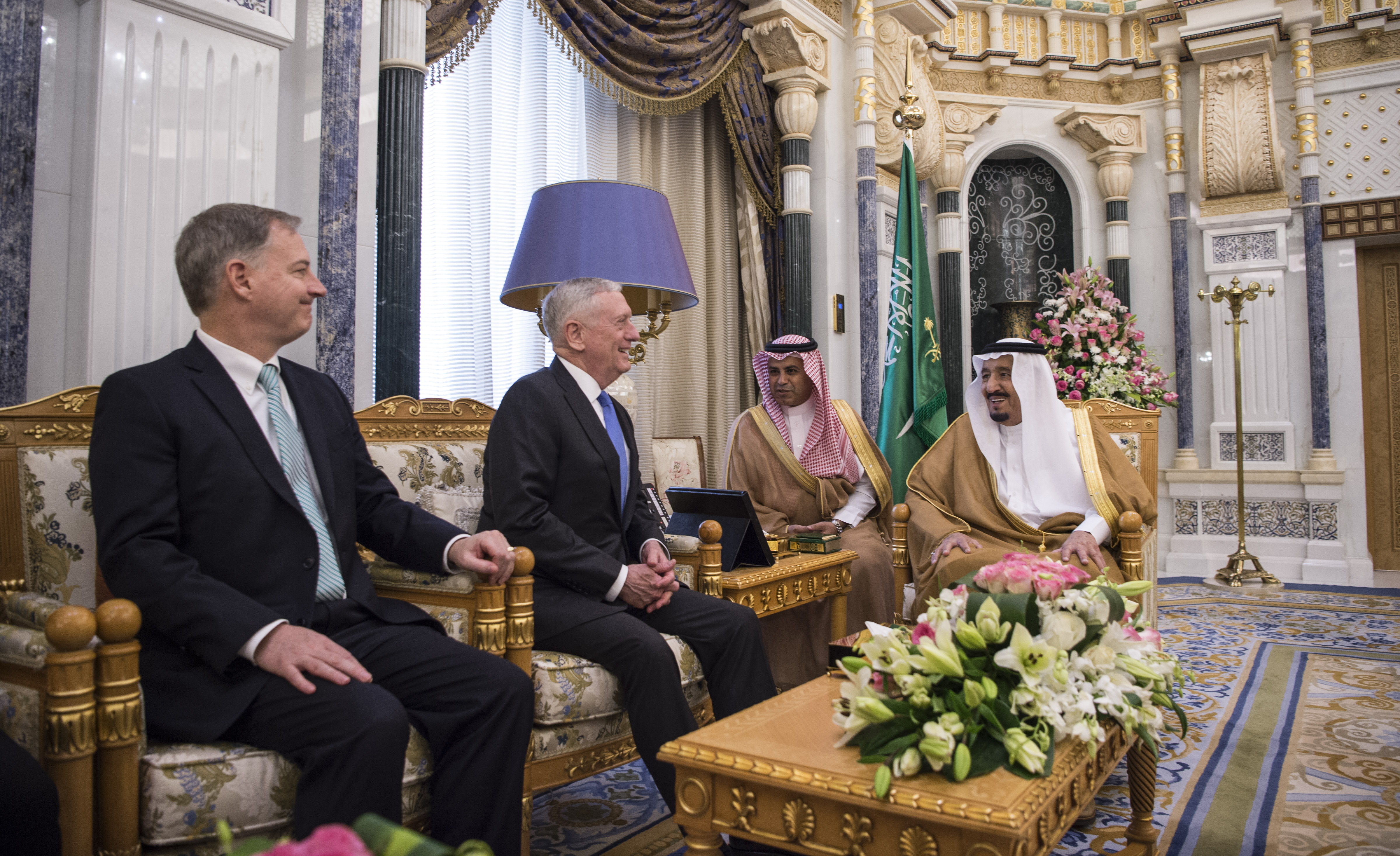
Saudi Interior Minister Prince Abdulaziz bin Saud bin Naif and Pakistan Interior Minister and Minister for Narcotics Control Mohsin Raza Naqvi signed the document in Riyadh on July 1, 2026 [1], [2]. Naqvi, who also serves as the chairman of the Pakistan Cricket Board, led the delegation to the Saudi capital for the meeting.
The memorandum focuses on enhancing joint efforts to combat terrorism and narcotics trafficking [1]. This cooperation is designed to build upon existing mutual defense pacts, expanding the scope of the partnership to include domestic security challenges, and border management.
Officials said the agreement will facilitate better communication between the interior ministries of both countries. The focus on narcotics control is particularly significant given the current regional security climate and the shared goal of reducing illegal drug flows across borders [1].
While the primary focus of the meeting remained on security, the broader diplomatic engagement also touched upon cultural and sporting ties. Reports indicate that the Pakistan Cricket Board and the Saudi Arabian Cricket Federation have also coordinated to build an international cricket stadium in Jeddah [2].
“Pakistan and Saudi Arabia signed a memorandum of understanding on Wednesday to strengthen bilateral security cooperation”
This agreement represents a shift from purely military-to-military defense pacts toward a comprehensive internal security partnership. By focusing on narcotics and counter-terrorism, Riyadh and Islamabad are addressing non-traditional security threats that can destabilize regional governance, while simultaneously using sports diplomacy to soften the geopolitical image of the bilateral relationship.