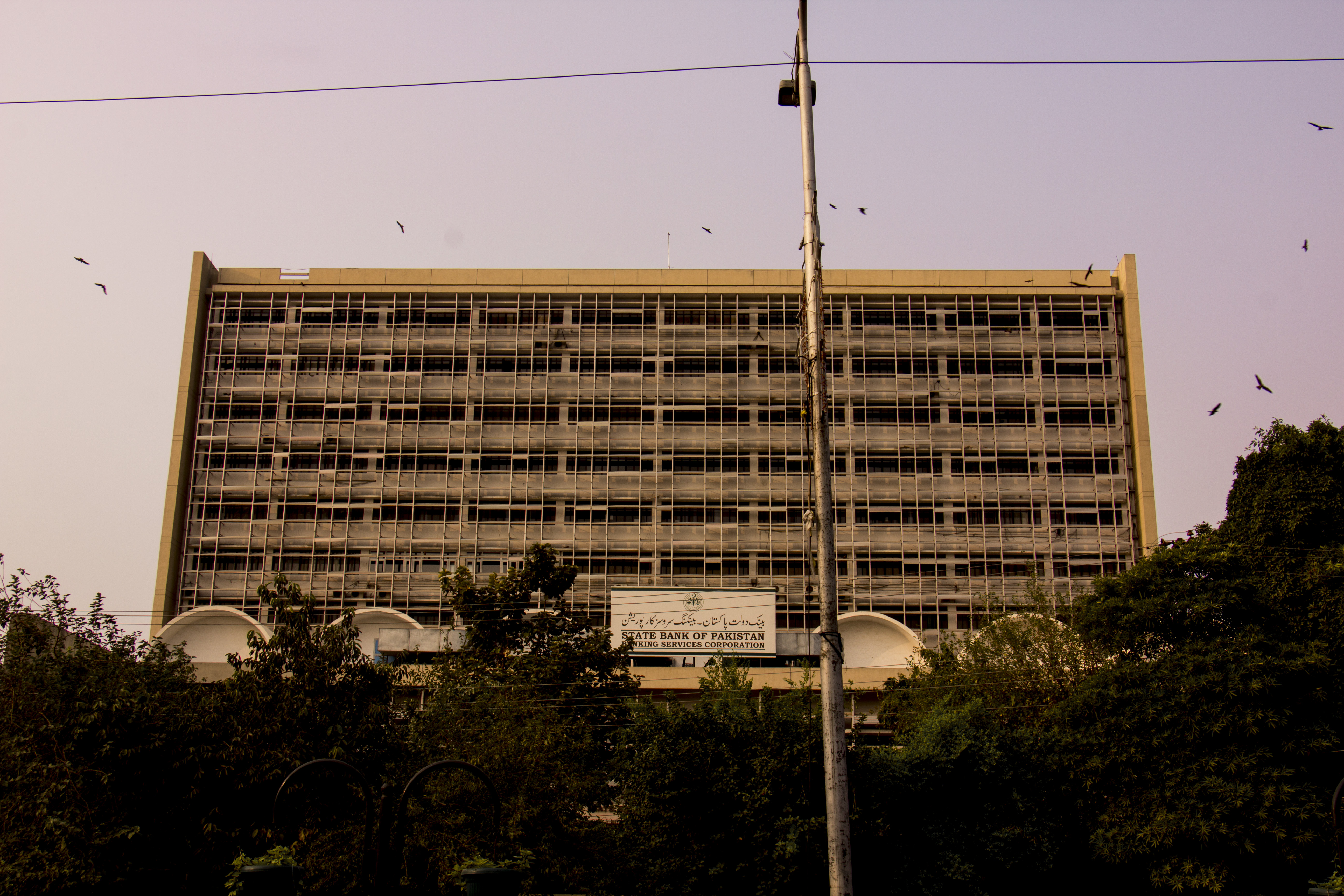
The State Bank of Pakistan said its foreign exchange reserves declined by $229 million [1] during the week ended July 24, 2026.
This decrease reflects the ongoing pressure on Pakistan's liquid assets as the government manages its international financial obligations. Maintaining a stable reserve level is critical for the country to ensure it can cover essential imports and meet its sovereign debt commitments without triggering a currency crisis.
According to data from the State Bank of Pakistan, the total reserves now stand at $17.03 billion [1]. The central bank said the decline was due to the necessity of making external debt repayments [1]. These payments are part of a broader effort to manage the nation's fiscal liabilities and maintain credibility with international lenders.
Financial analysts monitor these weekly fluctuations to gauge the stability of the Pakistani rupee and the effectiveness of current economic policies. While the reserves remain at a multi-billion dollar level, the consistent drain for debt servicing highlights the narrow margin the country operates within regarding its external funding gaps.
The current reserve level of $17.03 billion [1] serves as a primary buffer against external economic shocks. However, the recent dip of $229 million [1] underscores the recurring challenge of balancing foreign currency inflows with the mandatory outflows required by global credit agreements.
Economic stability in the region often depends on the ability of central banks to maintain sufficient reserves to intervene in currency markets. For Pakistan, the reliance on external borrowing means that reserve levels are frequently impacted by the timing of repayment schedules, a cycle that continues to define the country's macroeconomic landscape.
“The State Bank of Pakistan's foreign exchange reserves declined by $229 million”
The decline in reserves highlights the structural vulnerability of Pakistan's economy, where a significant portion of foreign currency is diverted toward servicing existing debt rather than investing in growth. This cycle creates a dependency on new loans or international bailouts to prevent reserves from falling below the critical threshold required to cover three months of imports.


