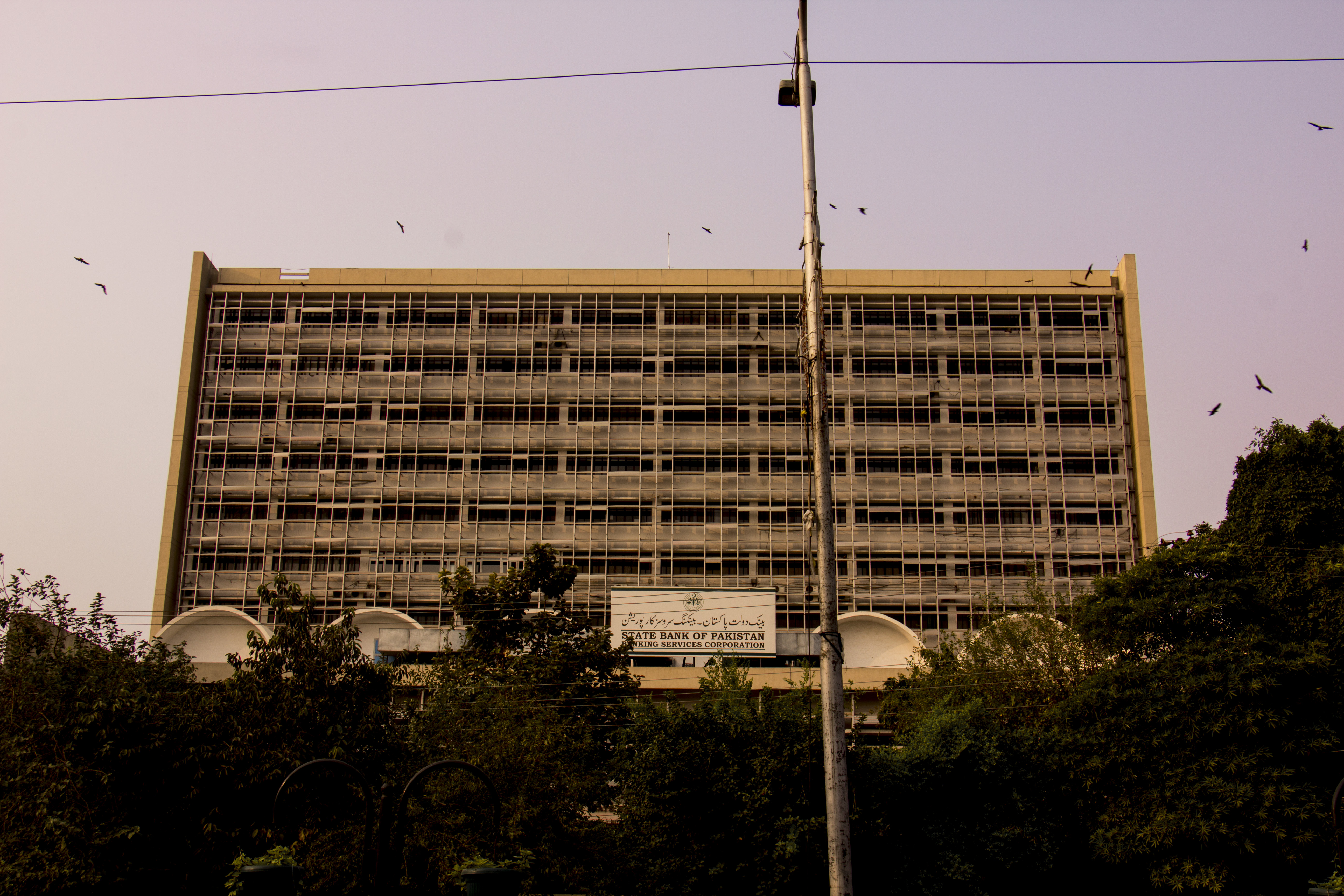
The State Bank of Pakistan said its foreign exchange reserves increased by $611 million [1] during the week ending June 24, 2026.
This growth in liquidity is critical for the nation's ability to meet international payment obligations and stabilize the local currency against global volatility. Higher reserves typically signal a stronger buffer against external economic shocks, a necessity for the country's ongoing financial stability.
According to the central bank data, the total reserves reached $16.53 billion [2] by the end of the reporting period. The climb represents a significant weekly uptick in the available foreign currency holdings held by the State Bank of Pakistan [1].
Monitoring these fluctuations is a primary focus for international creditors and investors. The increase reflects the current state of the nation's external accounts and its capacity to manage imports. The State Bank of Pakistan said it maintains these reserves to ensure the smooth operation of the economy and to manage the exchange rate of the rupee.
Financial analysts often view the trend of these reserves as a barometer for the overall health of the national economy. A steady increase suggests a recovery in foreign inflows or a reduction in the pace of reserve depletion, both of which are key indicators for long-term fiscal sustainability.
The report confirms that the $611 million [1] jump contributed directly to the final balance of $16.53 billion [2]. The central bank said it continues to track these figures weekly to provide transparency regarding the state of the national treasury.
“Foreign exchange reserves increased by $611 million”
The rise in foreign exchange reserves provides the State Bank of Pakistan with additional breathing room to manage its external debt and import costs. While a weekly increase of $611 million is positive, the total reserve level of $16.53 billion remains the primary metric for determining if the country can avoid a balance-of-payments crisis and maintain confidence with international lenders.