Pakistan is hosting diplomatic talks between Iran and the U.S. to establish a cease-fire and ensure broader regional stability [1, 2].
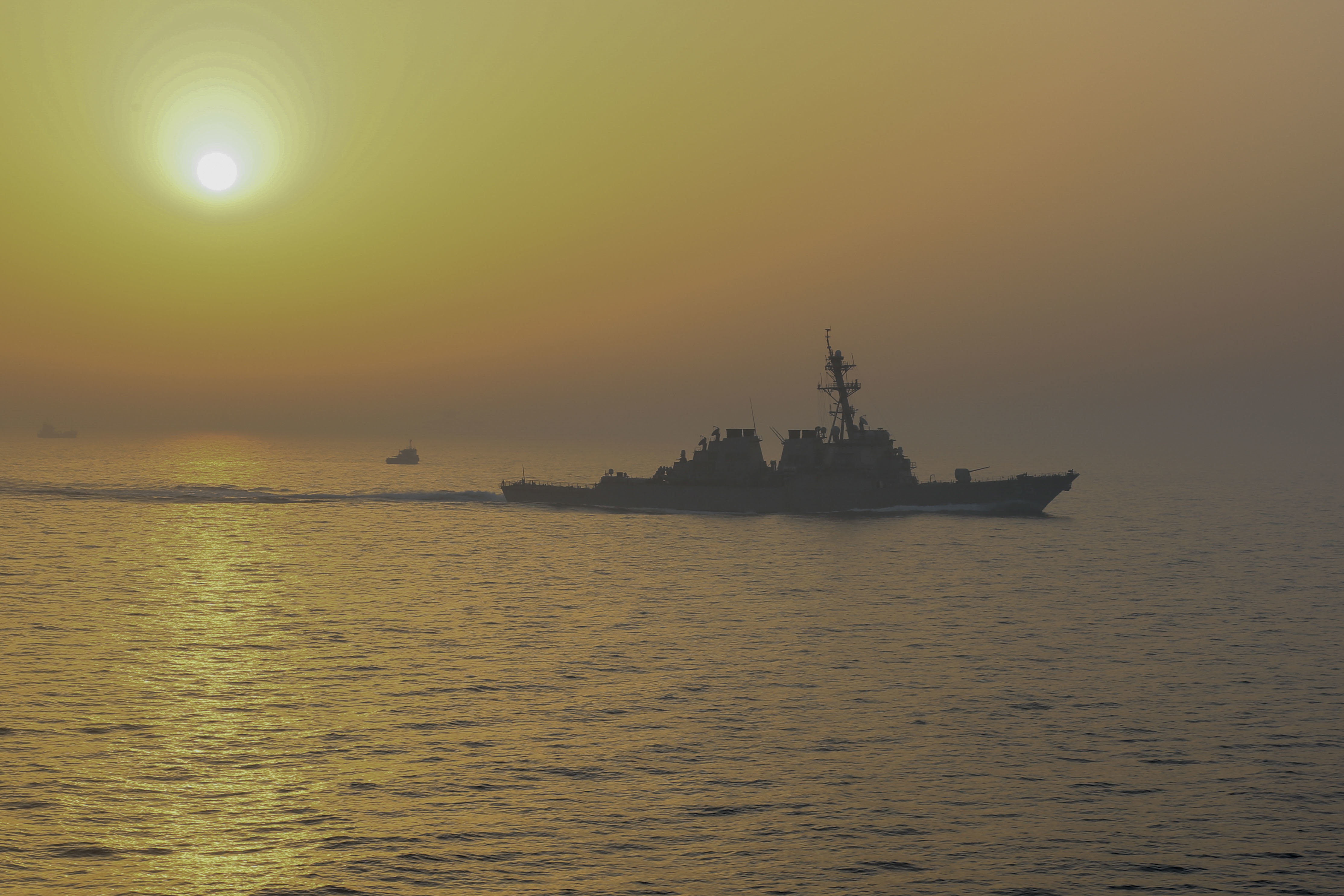
These negotiations are critical because they aim to end active combat between the U.S. and Iran while reopening the Strait of Hormuz [1, 2]. The stability of this maritime corridor is essential for global energy markets and the prevention of further regional destabilization [2].
Reports said a cease-fire was announced for the early hours of April 8, 2024 [3]. This agreement established a two-week duration for the cessation of hostilities [3]. Following this initial window, talks shifted focus toward long-term de-escalation and the security of critical shipping lanes [1, 2].
Islamabad has emerged as the primary venue for these discussions [2]. The diplomatic process involves not only the immediate combatants, but also a focus on nuclear-related issues and the role of other regional powers [2, 4].
Iran has utilized Pakistan as a conduit to send its cease-fire replies as the parties work toward a sustainable peace [1]. The talks are designed to address the root causes of the conflict and prevent a wider war that could encompass other Middle Eastern nations [2, 4].
While the initial cease-fire provided a brief reprieve, the ongoing discussions in Pakistan seek to codify a more permanent arrangement [1, 3]. These efforts include coordinating security measures in the Strait of Hormuz to ensure the free flow of commerce [1, 2].
“Pakistan is hosting diplomatic talks between Iran and the U.S. to establish a cease-fire.”
The selection of Pakistan as a mediator signals a shift in regional diplomacy, positioning Islamabad as a neutral ground for U.S.-Iran relations. By focusing on the Strait of Hormuz and nuclear diplomacy, the parties are attempting to decouple immediate military tensions from long-term strategic security concerns to avoid a total regional collapse.