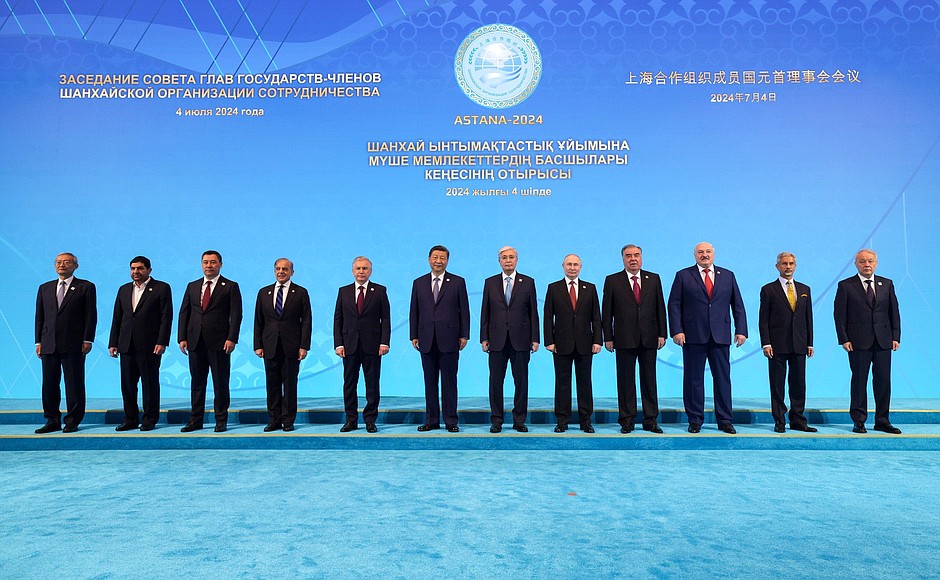
Prime Minister Shehbaz Sharif praised Field Marshal Asim Munir for his role in peace negotiations between the United States and Iran [1].
This diplomatic push represents a significant effort by Pakistan to de-escalate long-standing tensions between Washington and Tehran. Success in these talks could stabilize the wider region and elevate Pakistan's standing as a neutral mediator in global conflict resolution.
During remarks made on May 27, 2026 [1], Sharif said he hoped that a formal peace agreement would be finalized soon [1]. He said the deal would benefit Iran and the broader region, highlighting Pakistan's diplomatic contribution to the process [1].
U.S. officials have acknowledged the Pakistani leadership's involvement. On May 31, 2026, the U.S. Defense Secretary praised the efforts of the Prime Minister and the Field Marshal regarding the peace diplomacy [2].
Reports on the status of the agreement vary. Some sources indicate that Sharif expressed hope for a future finalization [1], while other reports suggest the U.S. and Iran have already agreed to the specific wording of an agreement intended to end the war.
Additional context regarding the truce includes mentions of a two-week ceasefire [3]. This temporary pause in hostilities has coincided with growing calls within Pakistan for international recognition of the diplomatic breakthroughs led by Sharif [3].
Sharif said the ongoing efforts demonstrate Pakistan's commitment to global peace and regional stability [1]. The collaboration between the civilian government and the military leadership, specifically Field Marshal Munir, has been central to the mediation strategy [2].
“Sharif said he hoped that a formal peace agreement would be finalized soon.”
Pakistan is positioning itself as a critical diplomatic bridge between the U.S. and Iran. By leveraging both its civilian leadership and its military high command, Islamabad aims to transition from a regional security partner to a global peace broker. If a formal agreement is reached, it would validate this strategy and potentially reduce the risk of direct military conflict in the Middle East.


