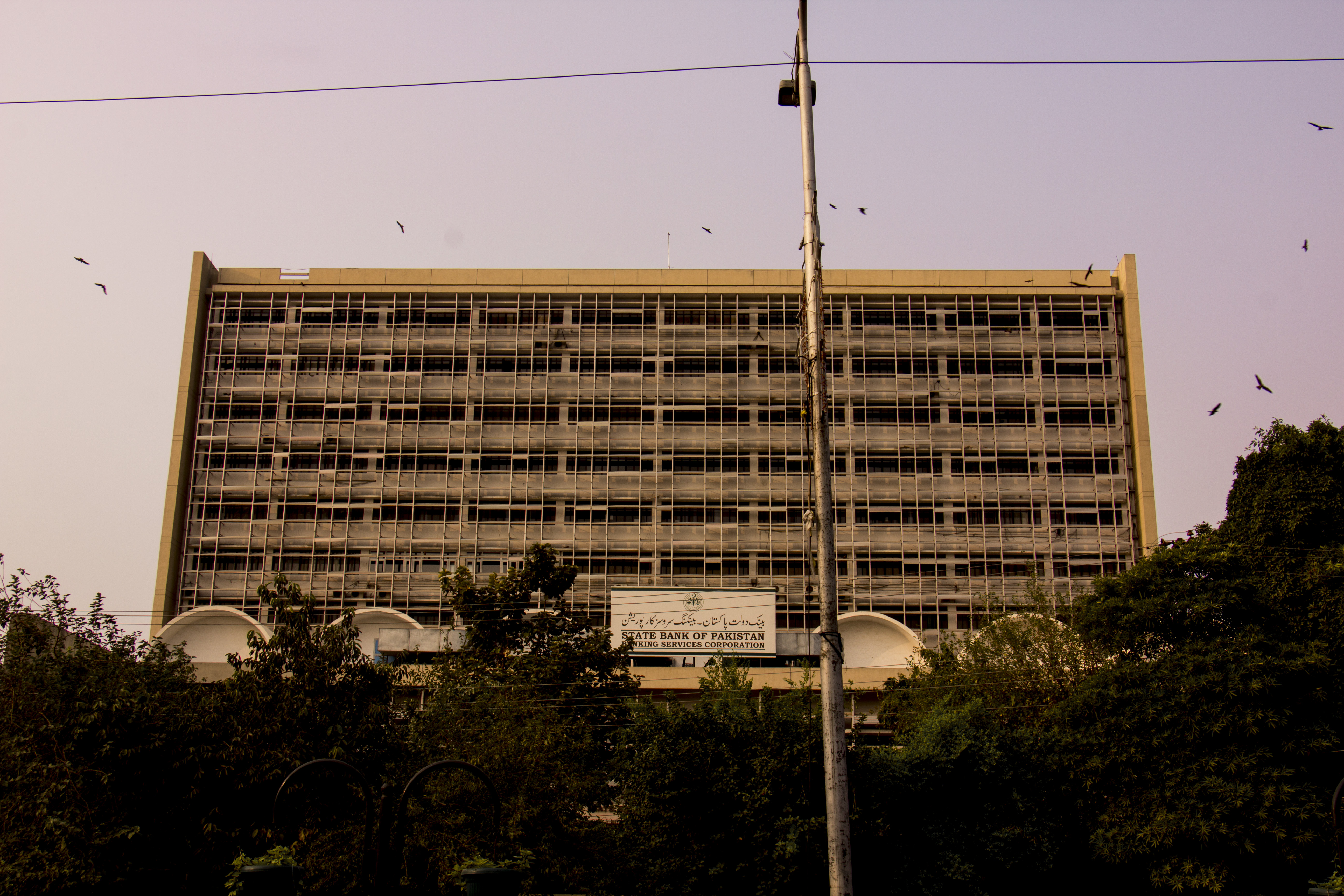
The Pakistani rupee edged higher in interbank trading on July 5, 2026, after the U.S. dollar slipped slightly [1].
Currency fluctuations in the interbank market directly impact the cost of imports and the overall stability of Pakistan's economy. Small shifts in the exchange rate can influence trade balances, and the pricing of essential foreign goods.
Trading activity in the foreign-exchange market showed the U.S. dollar weakening, which provided the rupee with a marginal gain [1]. This movement occurred within the interbank market, where commercial banks trade currencies to manage their liquidity and reserves.
The shift reflects the volatile nature of the currency pair in the region. While the rupee's ascent was described as edging higher, the move was a direct result of the dollar's slight decline during that specific trading window [1].
Market participants typically monitor these interbank trends to forecast broader economic movements. The slight dip in the dollar's strength suggests a brief period of relative stability, or a shift in demand for the greenback within the local market [1].
“The Pakistani rupee edged higher in interbank trading”
A strengthening rupee, even if marginal, typically reduces the cost of importing fuel and raw materials. However, because this movement was driven by a slight slip in the US dollar rather than a major structural economic shift, the gain may be temporary and subject to immediate reversal based on global market volatility.


