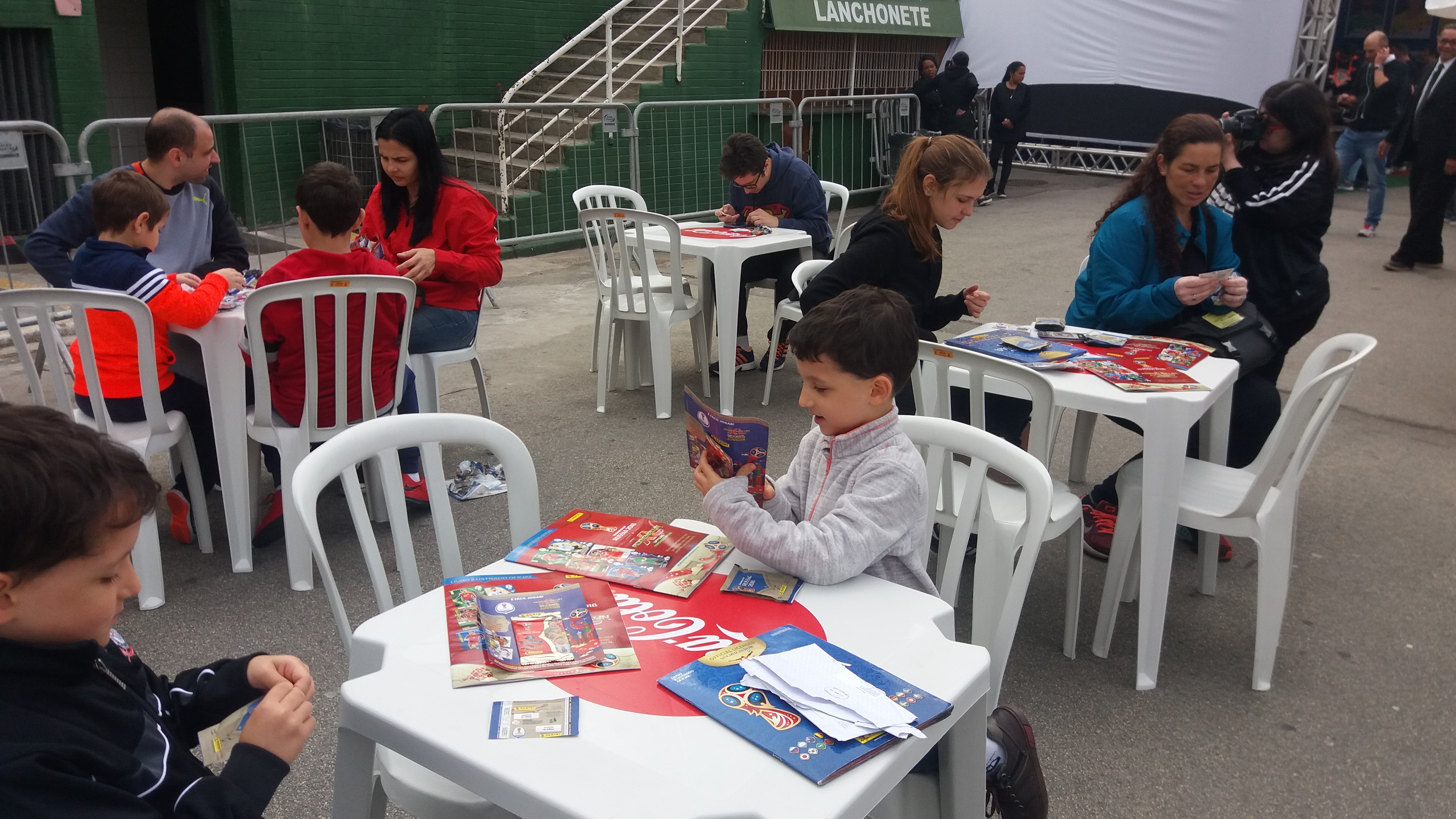
Completing the 2026 FIFA World Cup Panini album has become a significant financial challenge for many collectors in Colombia.
The cost of filling the album matters because it transforms a traditional sporting hobby into a potential economic burden for families and enthusiasts. As the tournament progresses, the scarcity of specific stickers often drives prices higher in secondary markets.
Market data indicates that the minimum price for a Panini sticker pack is eight Colombian pesos [1]. While this represents a starting point, the cumulative cost of purchasing enough packs to avoid duplicates can escalate quickly. For many Colombians, the pursuit of a complete set is described as a difficult mission due to these costs.
Collectors typically struggle with the final few stickers needed to finish the collection. This phase often requires trading or purchasing rare stickers at premiums that far exceed the base price of a standard pack. The financial strain is particularly acute in regions where disposable income is limited, making the hobby inaccessible to some.
Local reports highlight that the obsession with completing the album creates a high-demand environment. This demand allows sellers to maintain price floors, ensuring that the cost of entry remains steady even as the tournament reaches its peak. The eight peso starting point [1] serves as the baseline for a process that often costs significantly more by the end.
“Completing the 2026 FIFA World Cup Panini album has become a significant financial challenge.”
The financial barrier to completing the Panini album reflects broader economic pressures in Colombia, where a global commercial product meets local purchasing power constraints. This trend underscores how the commercialization of sports memorabilia can create social divides in how fans engage with the World Cup experience.