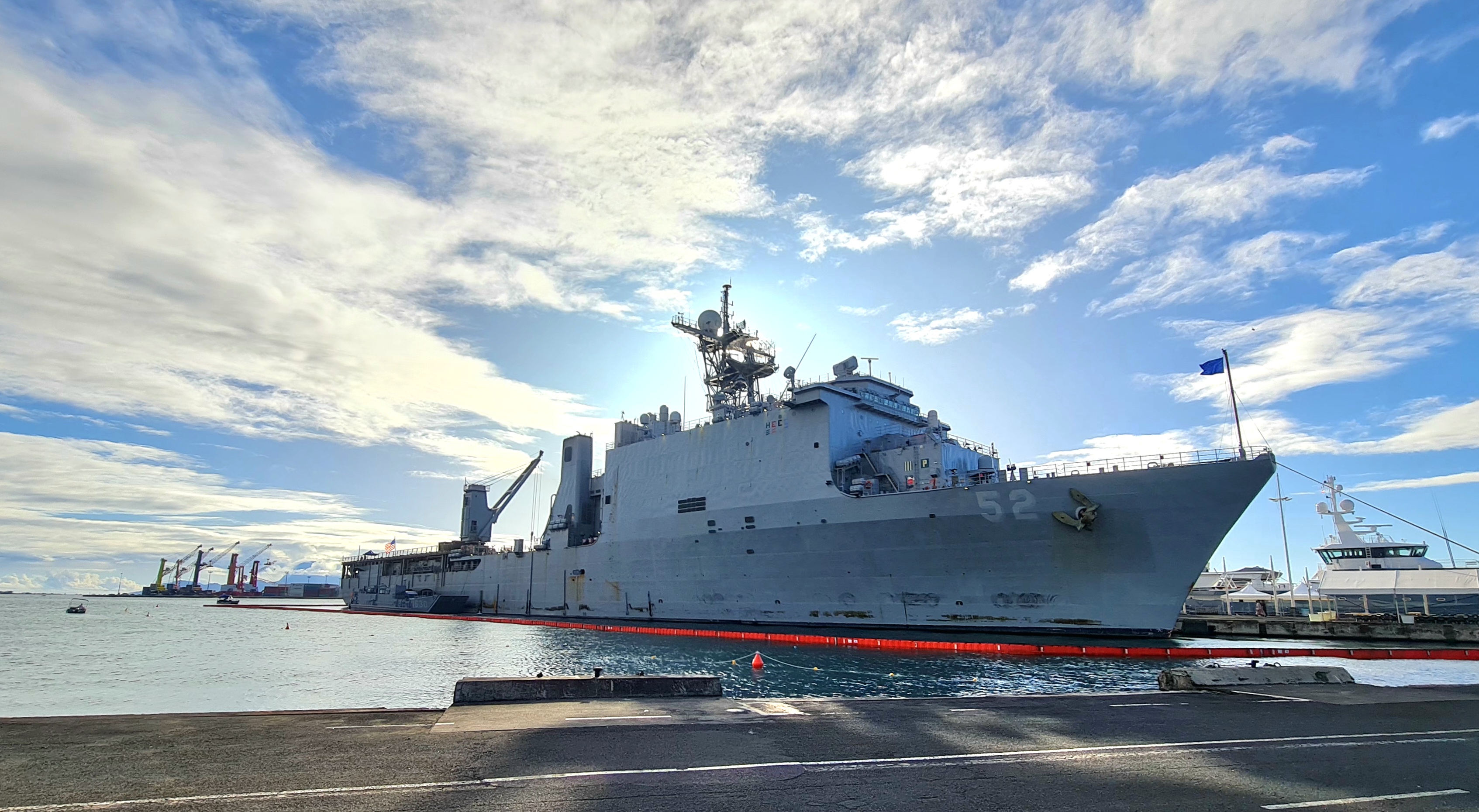
Papeete, the capital of French Polynesia, serves as the essential port of entry for cruise ships visiting the islands of Tahiti [1].
As the primary logistics hub for the region, the port's functionality is critical for the tourism industry. While the city may lack the aesthetic appeal of the surrounding islands, it provides the necessary infrastructure for visitors to access one of the most sought-after cruise destinations in the world [1], [3].
Located on the island of Tahiti, Papeete is described as a modest and drab environment [1], [2]. Despite these characteristics, the port remains a mandatory stop for those seeking to explore the stunning landscapes of French Polynesia [1].
Travel guides highlight that the city's lack of glamour does not diminish its importance. The Sydney Morning Herald said the port may be unexciting, but it remains the gateway to a must-visit region [1]. This contrast between the urban port and the natural beauty of the archipelago is a defining feature of the arrival experience for most cruise passengers [1], [3].
Visitors typically use the port as a base to transition from international travel to local exploration. The city's role is primarily utilitarian, facilitating the movement of thousands of tourists who eventually venture beyond the capital to see the more scenic parts of the territory [2], [3].
“This modest port may be drab and unexciting, but it’s the gateway to one of the world’s most stunning, must‑visit cruise regions.”
The description of Papeete as a utilitarian hub underscores the disparity between the industrial necessity of port infrastructure and the luxury branding of French Polynesia's tourism. For the travel industry, the port's efficiency is more critical than its visual appeal, as it enables the high-volume cruise traffic that sustains the region's economy.

