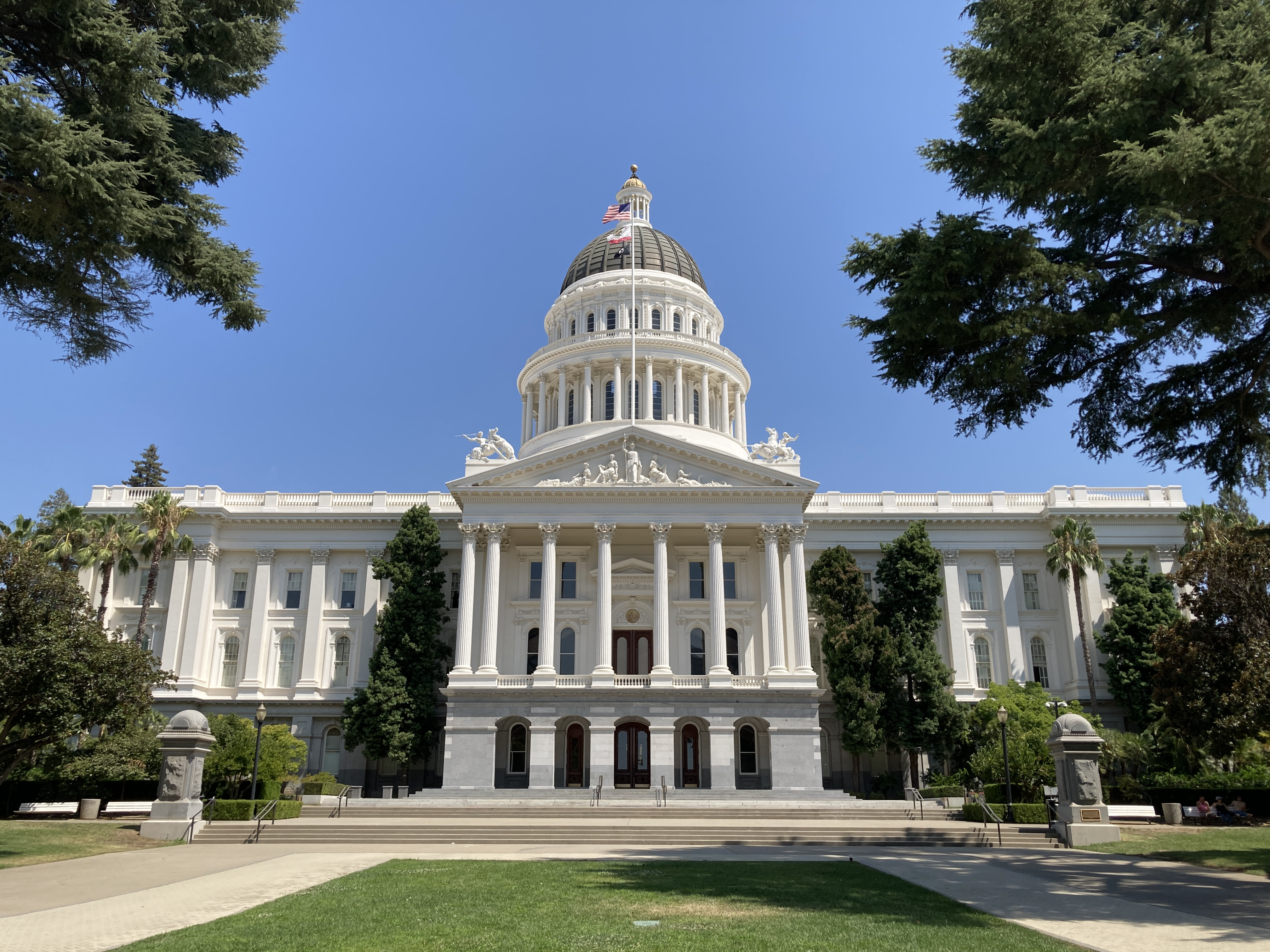
Twelve U.S. states have filed antitrust lawsuits to block a merger between Paramount Skydance and Warner Bros. Discovery [2].
The legal challenge threatens to dismantle one of the largest consolidations in entertainment history. If successful, the lawsuits could prevent the creation of a media giant with unprecedented control over how content is produced and distributed to consumers.
The deal is valued at approximately $110 billion [1]. Proponents of the merger said the move would combine assets and expand market reach across streaming, theatrical distribution, and other entertainment sectors [5]. However, the coalition of states, which includes California, argues that the merger would violate antitrust laws by granting the combined entity undue market power [2].
California Attorney General Rob Bonta said the merger is the subject of these legal challenges [0]. The antitrust complaints specifically cite concerns across three different markets [4]. Opponents said the resulting concentration of power could limit competition and reduce options for audiences, a central pillar of the states' legal arguments [5].
Despite the litigation, the companies are moving forward with their timeline. The deal is expected to close by the end of September 2026 [3]. While some reports suggest the lawsuits could block the merger entirely, other industry analysts said Paramount can still close the deal on time despite the legal hurdles [3].
The legal battle now centers on whether the courts will find that the merger creates a monopoly or significantly lessens competition in the entertainment landscape. The outcome will depend on how the judges weigh the companies' claims of market efficiency against the states' claims of consumer harm.
“The deal is valued at approximately $110 billion.”
This legal challenge represents a significant effort by state governments to curb the trend of massive media consolidation. If the 12 states prevail, it could set a precedent that limits the ability of streaming and theatrical giants to merge, potentially preserving a more fragmented and competitive entertainment market. Conversely, if the merger proceeds by September 2026, it will likely redefine the economics of content distribution and pricing for the global audience.


