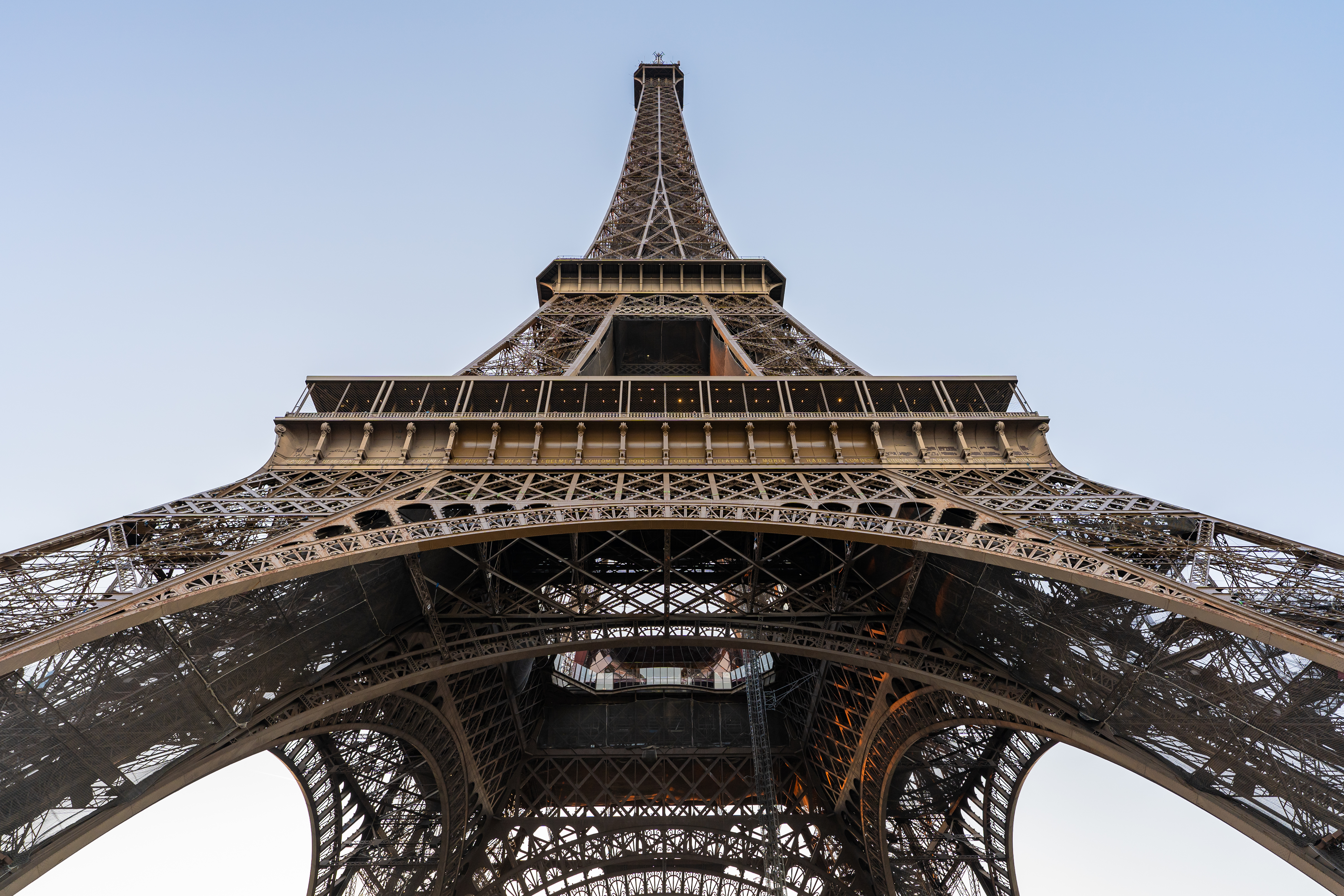
The Eiffel Tower and the Louvre museum in Paris closed early on Tuesday, June 23, 2026, due to an extreme heatwave [1].
These closures disrupt travel plans for thousands of visitors and highlight the growing challenge of managing public safety at high-traffic landmarks during volatile weather events.
Authorities shut the sites early after Météo-France issued a red-alert heat warning [2]. The measure was implemented to ensure the safety of visitors as temperatures climbed across the region [3]. The decision left many tourists stranded or forced to change their itineraries on short notice [4].
"Paris in this heat is awful," a tourist said [5].
The weather emergency affected a vast portion of the country. More than half of mainland France was placed under the highest red-alert level [6]. Specifically, the red alert was issued for 58 departments and regions [7].
Visitors expressed anger and disappointment as they were turned away from the city's most iconic attractions [8]. The Louvre and the Eiffel Tower are among the most visited sites in the world, and their simultaneous early closures underscore the severity of the current climatic conditions in the French capital [9].
Local authorities have not yet specified when normal operating hours will resume, though the closures remain tied to the ongoing weather alerts issued by Météo-France [2].
“"Paris in this heat is awful"”
The closure of primary global landmarks like the Louvre and Eiffel Tower indicates that extreme heat is transitioning from a seasonal inconvenience to a systemic operational risk for urban tourism. As red-alert zones expand to cover more than 50% of mainland France, city infrastructures may struggle to maintain standard visitor capacities without risking public health crises.