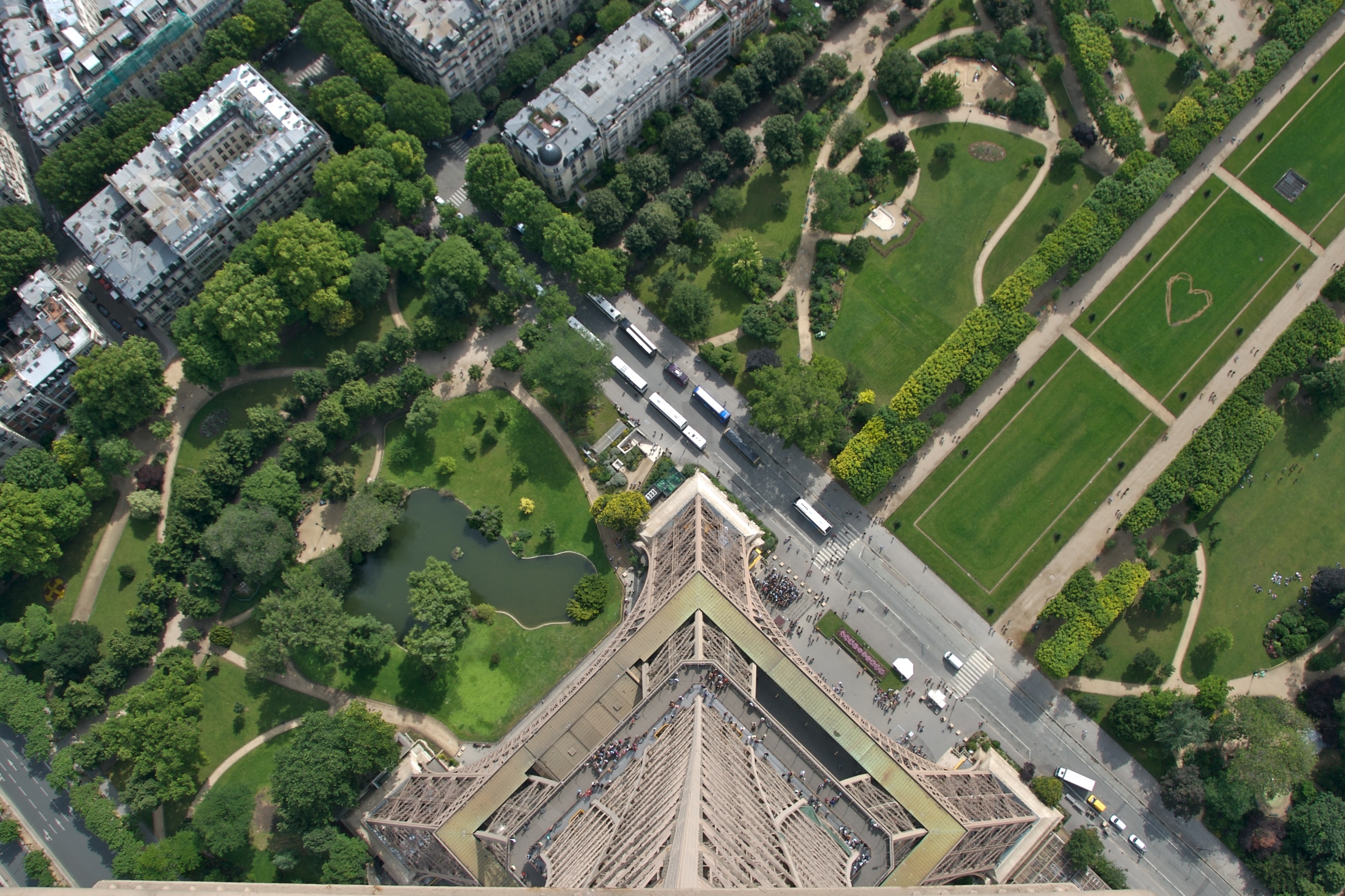
Tourists in Paris are struggling with an unprecedented heatwave that has forced early closures at the Eiffel Tower and the Louvre [1].
The extreme weather creates significant safety risks for visitors and staff in the city. As temperatures reach dangerous levels, the disruption to major cultural landmarks signals the severity of the current climate event across the region.
Major tourist destinations have adjusted their operating hours to protect the public from the heat. Both the Louvre and the Eiffel Tower announced early closures to mitigate the risks associated with the rising temperatures [1]. This move comes as visitors face challenging conditions while navigating the city's most popular sites.
The weather crisis extends far beyond the capital. Three-quarters of mainland France remain under the highest "red" alert [1]. This designation indicates that the heatwave has reached a level of intensity that requires urgent public health precautions throughout the country.
Local authorities have been monitoring the situation as the heatwave persists. The widespread nature of the alert suggests that the infrastructure in many French cities is under significant pressure, challenging the capacity of public spaces to keep people cool.
Visitors are advised to seek shade and stay hydrated as the historic heatwave continues to impact the region. The early closure of world-renowned museums and monuments highlights the priority of public safety over tourism revenue during this period [1].
“The Eiffel Tower and the Louvre announced early closures.”
The closure of high-traffic landmarks like the Louvre and Eiffel Tower demonstrates a shift in how European cities manage extreme heat events. By prioritizing public health over tourism operations, France is acknowledging that historic urban infrastructure may be unable to safely accommodate crowds during record-breaking temperatures, potentially signaling a need for more permanent climate adaptation strategies in urban tourism.


