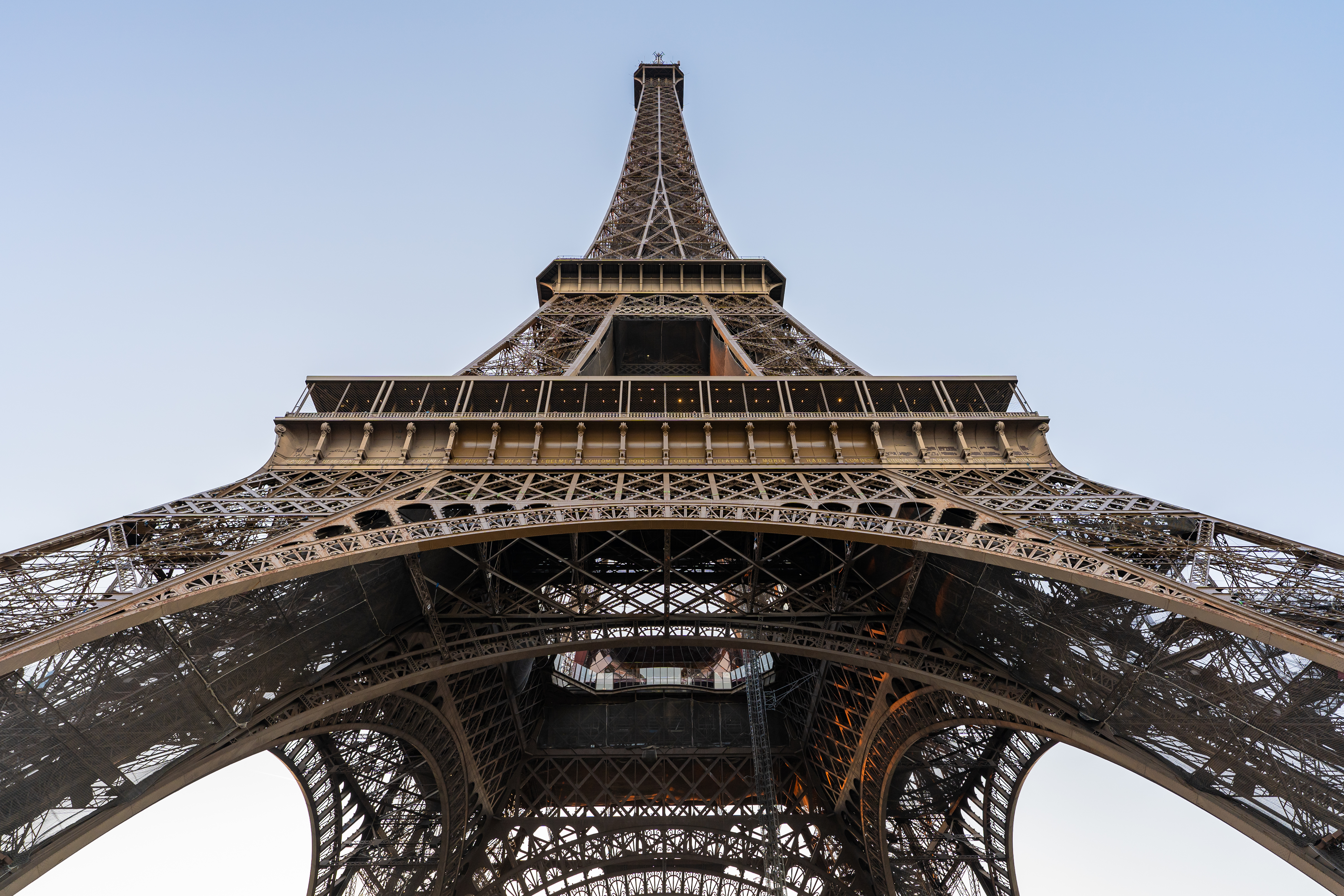
The Eiffel Tower and several major Paris attractions will close early on Saturday, July 12, due to an extreme heatwave [1, 2, 3].
These closures reflect the severity of current weather conditions in France, where soaring temperatures are forcing city officials to prioritize public safety over tourism. The decision affects some of the world's most visited sites, including the Louvre Museum and the Musée d'Orsay [1, 2].
Météo-France has issued a red heat alert for the region [1, 2]. This highest-level warning currently covers 24 departments across northwestern France [1, 2]. The alert impacts more than 22 million people [2].
This weather event is not an isolated incident. It marks the third heatwave in three months since May [4]. The recurring nature of these temperature spikes has placed significant pressure on urban infrastructure and public health services in the French capital.
Authorities have not specified the exact closing times for each landmark, but the measure is intended to reduce crowds during the peak heat of the day. The red alert indicates that temperatures are expected to reach dangerous levels that could pose a risk to those spending extended periods outdoors [1, 2].
Local officials are monitoring the situation as the heatwave continues to sweep across the country. The coordination between Météo-France and city management aims to prevent heat-related emergencies in high-traffic tourist zones [1, 2].
“The Eiffel Tower and several major Paris attractions will close early”
The closure of global landmarks like the Louvre and Eiffel Tower signals a shift in how European cities manage extreme climate events. With this being the third major heatwave since May, the recurring nature of these alerts suggests that temporary emergency measures are becoming a necessary part of urban operations during the summer months to protect millions of residents and visitors.

'%2F%3E%0A%20%20%20%20%3Crect%20width%3D'1600'%20height%3D'900'%20fill%3D'url(%23v)'%2F%3E%0A%20%20%20%20%3Cg%20opacity%3D'0.08'%20fill%3D'%23ffffff'%3E%0A%20%20%20%20%20%20%3Ccircle%20cx%3D'1420'%20cy%3D'180'%20r%3D'220'%2F%3E%0A%20%20%20%20%20%20%3Ccircle%20cx%3D'1500'%20cy%3D'760'%20r%3D'120'%2F%3E%0A%20%20%20%20%3C%2Fg%3E%0A%20%20%20%20%3Cline%20x1%3D'80'%20y1%3D'172'%20x2%3D'220'%20y2%3D'172'%20stroke%3D'%23ffffff'%20stroke-width%3D'3'%20stroke-opacity%3D'0.6'%2F%3E%0A%20%20%20%20%3Ctext%20x%3D'80'%20y%3D'140'%20font-family%3D'Inter%2C%20-apple-system%2C%20Helvetica%2C%20sans-serif'%20font-weight%3D'700'%20font-size%3D'28'%20fill%3D'%23ffffff'%20letter-spacing%3D'6'%3EHANNA%20%C2%B7%20NEWS%3C%2Ftext%3E%0A%20%20%20%20%3Ctext%20x%3D'80'%20y%3D'230'%20font-family%3D'Inter%2C%20-apple-system%2C%20Helvetica%2C%20sans-serif'%20font-weight%3D'600'%20font-size%3D'40'%20fill%3D'%23ffffffb3'%20letter-spacing%3D'4'%3EWORLD%3C%2Ftext%3E%0A%20%20%20%20%3Ctext%20x%3D'80'%20y%3D'622'%20font-family%3D'Playfair%20Display%2C%20Georgia%2C%20serif'%20font-weight%3D'800'%20font-size%3D'86'%20fill%3D'%23ffffff'%20letter-spacing%3D'-1'%3ERavi%20Bishnoi%20replaces%3C%2Ftext%3E%3Ctext%20x%3D'80'%20y%3D'721'%20font-family%3D'Playfair%20Display%2C%20Georgia%2C%20serif'%20font-weight%3D'800'%20font-size%3D'86'%20fill%3D'%23ffffff'%20letter-spacing%3D'-1'%3Einjured%20Varun%20Chakaravarthy%3C%2Ftext%3E%3Ctext%20x%3D'80'%20y%3D'820'%20font-family%3D'Playfair%20Display%2C%20Georgia%2C%20serif'%20font-weight%3D'800'%20font-size%3D'86'%20fill%3D'%23ffffff'%20letter-spacing%3D'-1'%3Efor%20Zimbabwe%20series%3C%2Ftext%3E%0A%20%20%20%20%3Ctext%20x%3D'80'%20y%3D'870'%20font-family%3D'Inter%2C%20-apple-system%2C%20Helvetica%2C%20sans-serif'%20font-weight%3D'500'%20font-size%3D'22'%20fill%3D'%23ffffff66'%20letter-spacing%3D'2'%3Enews.hanna-ai.com%3C%2Ftext%3E%0A%20%20%3C%2Fsvg%3E)
