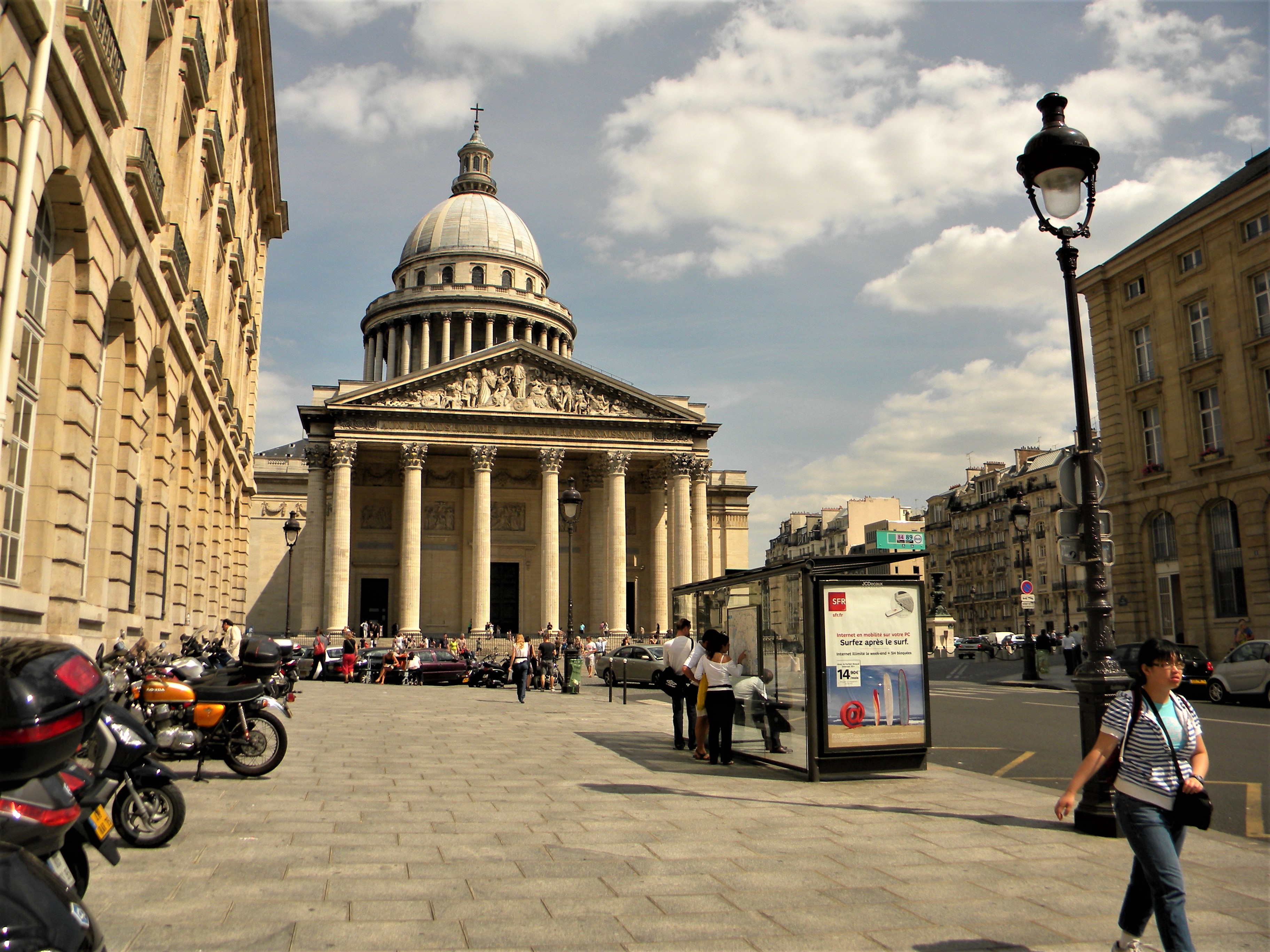
The Pantheon in Paris is preparing to receive the remains of Marc Bloch, a French historian and member of the World War II resistance [1], [2].
The transfer represents a formal state recognition of Bloch's contributions to historical scholarship and his role in the fight against Nazi occupation. By placing him within the Latin Quarter monument, France seeks to cement his status among the nation's most influential figures.
The ceremony is scheduled for Wednesday, June 24, 2026 [1], [2]. This move is part of a broader program designed to revive the intellectual and humanitarian legacy of the scholar [1], [2].
Bloch is remembered not only for his academic rigor but for his commitment to the resistance during the war. The Pantheon serves as a burial place for French citizens who have excelled in public life, and the inclusion of Bloch reflects a desire to honor those who combined intellectual pursuit, and active moral courage.
Officials said the initiative aims to bring Bloch's work and life story back into the public consciousness. The move ensures that his contributions to the understanding of history and his sacrifice during the war are recognized at the highest level of national honor [1], [2].
“The Pantheon in Paris is preparing to receive the remains of Marc Bloch”
The induction of Marc Bloch into the Pantheon signifies more than a burial; it is a symbolic act of national memory. By elevating a resistance fighter and historian to this space, the French state reinforces the link between intellectualism and civic duty, validating the role of the scholar as an active participant in the defense of democratic values.


