
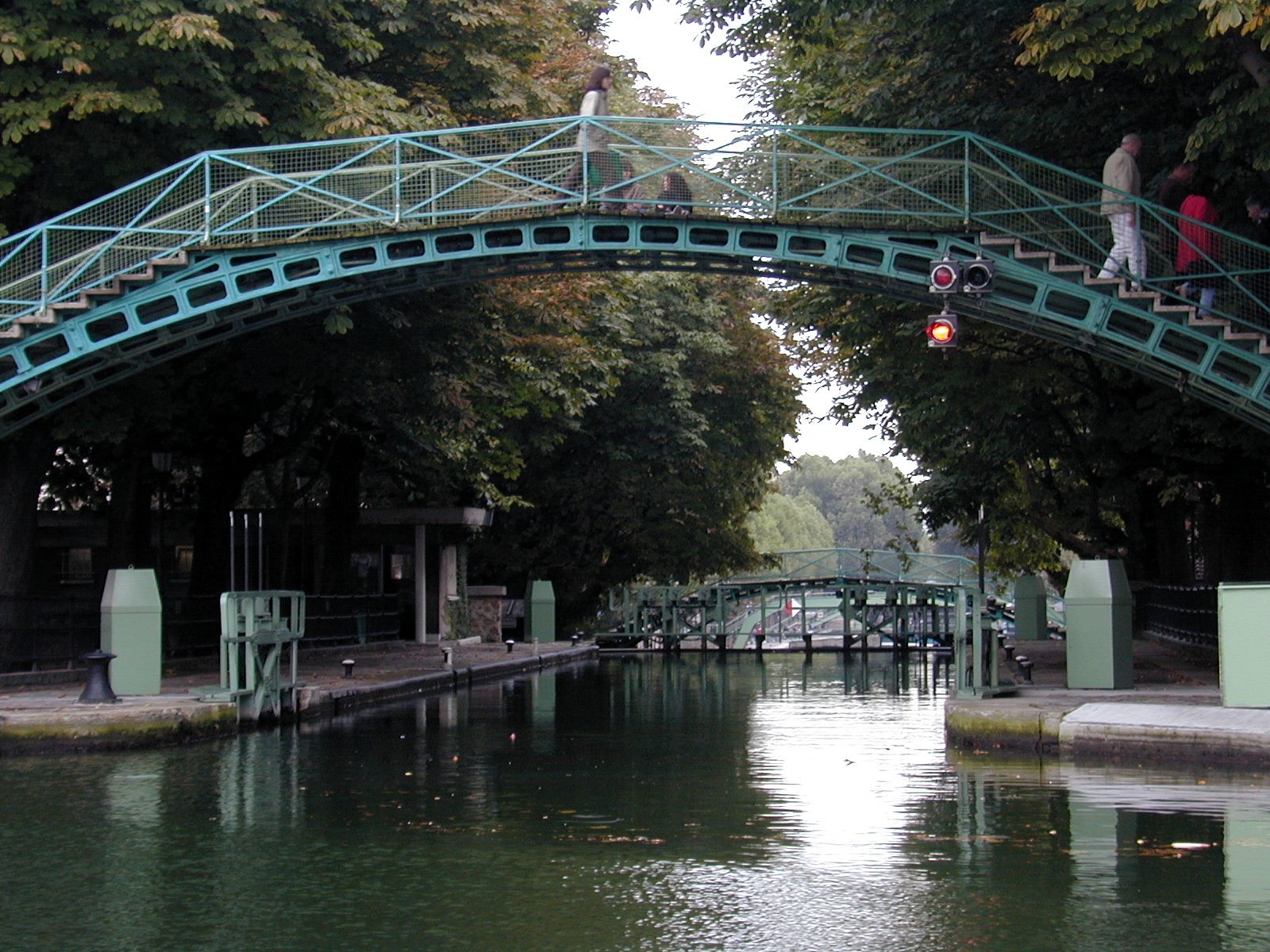
Paris residents swam in the Saint-Martin canal on Thursday to escape an early heatwave despite a municipal ban on swimming [1, 2, 3].
The defiance of the ban highlights the tension between public health regulations and the immediate needs of citizens facing extreme temperatures in urban environments. As heatwaves become more frequent, the use of non-designated waterways for cooling poses both safety risks and legal challenges for city officials.
Local authorities maintained a presence along the canal in central Paris, but the response remained lenient. Police officers issued reminders to those in the water rather than enforcing strict penalties, reports said [1, 2, 3].
Ira, a resident of Paris, said the police came by, but there wasn't much of a crackdown, which was what was nice, just a few reminders. No one was detained, and I thought that was pretty nice [2].
Official records indicate that zero people were detained by police during the event [1]. The lack of arrests suggests a tactical decision by law enforcement to prioritize public harmony over strict ordinance enforcement during the temperature spike.
Residents continued to use the canal as a primary cooling source throughout the day. The Saint-Martin canal remains a focal point for such activity due to its central location and accessibility to the city's population [1, 2].
“No one was detained, and I thought that was pretty nice.”
The decision by Paris police to issue reminders rather than arrests reflects a growing challenge for urban governance during climate-driven heat events. When municipal bans conflict with the basic human need for cooling, authorities may opt for discretionary enforcement to avoid escalating tensions with the public.



