
Pauline Hanson, leader of the One Nation party, said she believes she has the ability to become the prime minister of Australia [1].
This ambition signals a potential shift in the party's strategy to move beyond the Senate and challenge for executive power. If Hanson successfully transitions to the lower house, it could alter the competitive landscape of federal elections by placing a high-profile populist candidate in a direct contest for a seat in the House of Representatives.
Speaking during an interview on Sky News Australia in a Sydney studio, Hanson said she discussed her aspirations for the nation's highest office [1, 3]. She said she is considering a move to the lower house to pursue this goal [1, 2, 4, 5].
"I have the ability to be prime minister," Hanson said [2].
Hanson said her confidence is due to the rising poll numbers of her party and the strategic advantage of holding a lower-house seat [2, 4]. She said these factors provide the necessary platform to lead the country [2, 4].
"I won't knock the job … I'm not going to underestimate myself or say 'No, I can't do it', because you know, have a look at what we've ..." Hanson said [3].
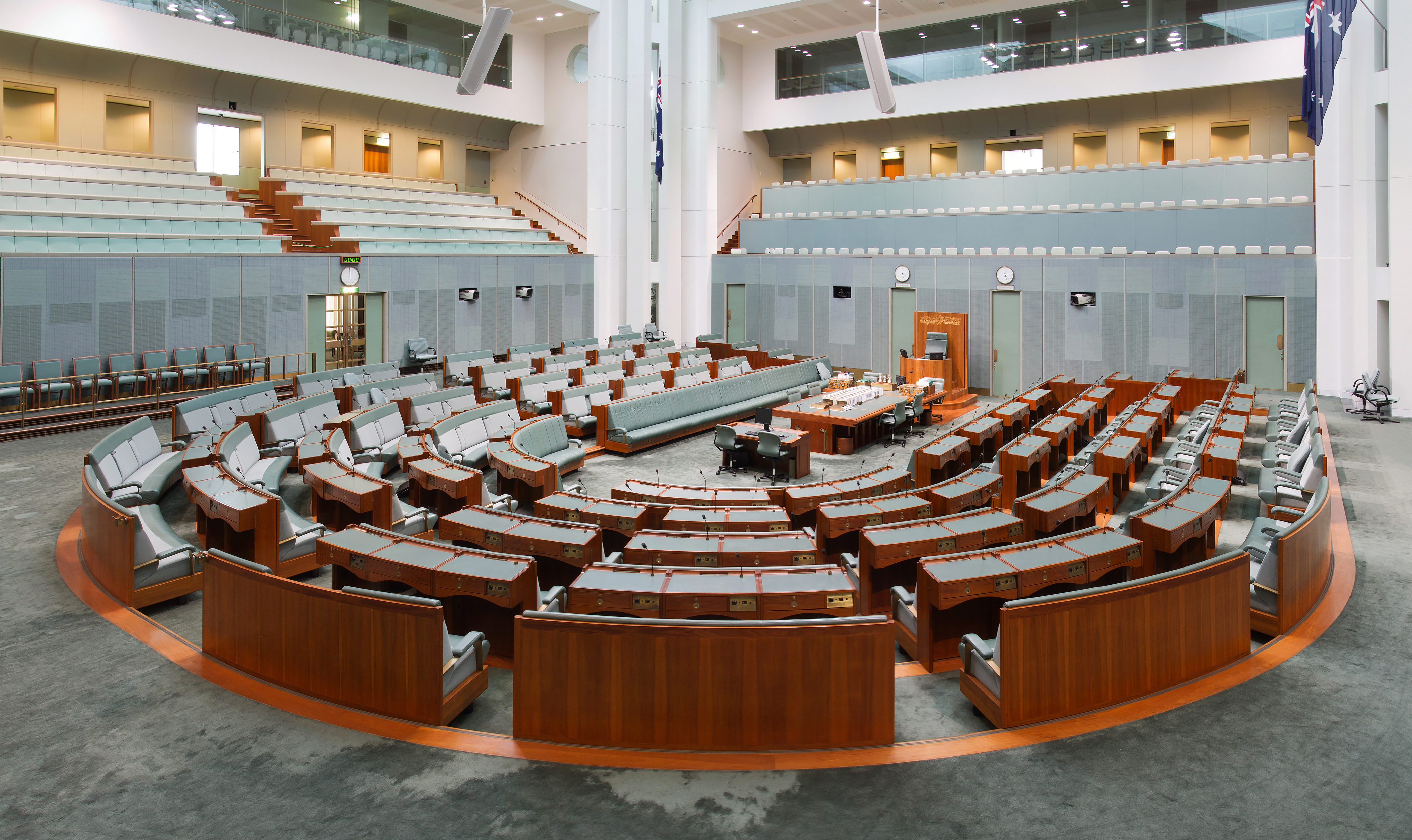
While Hanson has long been a fixture in the Senate, the role of prime minister is traditionally held by a member of the lower house. Her consideration of this move reflects a desire to transition from a legislative disruptor to a potential head of government [5].
"I believe I have the ability to do it," Hanson said [1].
“I have the ability to be prime minister.”
Hanson's stated ambition highlights a tactical pivot for One Nation. By eyeing the lower house, the party is moving from a strategy of holding the balance of power in the Senate to attempting to win a governing mandate. This shift suggests that the party believes its current polling momentum is sufficient to translate into electoral victories in the House of Representatives, which is the only path to the prime ministership.


