Australian Senator Pauline Hanson (One Nation) has been suspended from the Senate for the remainder of the year [2].
The suspension follows a protest in which Hanson wore a burqa on the Senate floor to advocate for a national ban on the garment. The move reignites a long-standing and polarizing debate over religious attire, national security, and the integration of immigrants into Australian society.
Hanson, 71 [3], argues that the burqa is not compatible with Australian values. She has cited concerns regarding security and the ability of individuals to integrate into the community as primary reasons for her push for a ban [1, 4].
The suspension was announced on Tuesday. The specific protest that led to this disciplinary action occurred seven months prior to the announcement [2, 5].
This is not the first time the senator has used the garment as a political tool. Sharri Markson of Sky News Australia said, "Hanson has always been against the burqa. In 2017, she wore it into parliament to make this point, and then she did the same again last year, and it caused a political uproar."
Despite her removal from the chamber, Hanson continues to call for the ban. Her approach remains a focal point of her political identity. Markson said, "Pauline Hanson is still dominating the news agenda with her trademark firebrand style of politics."
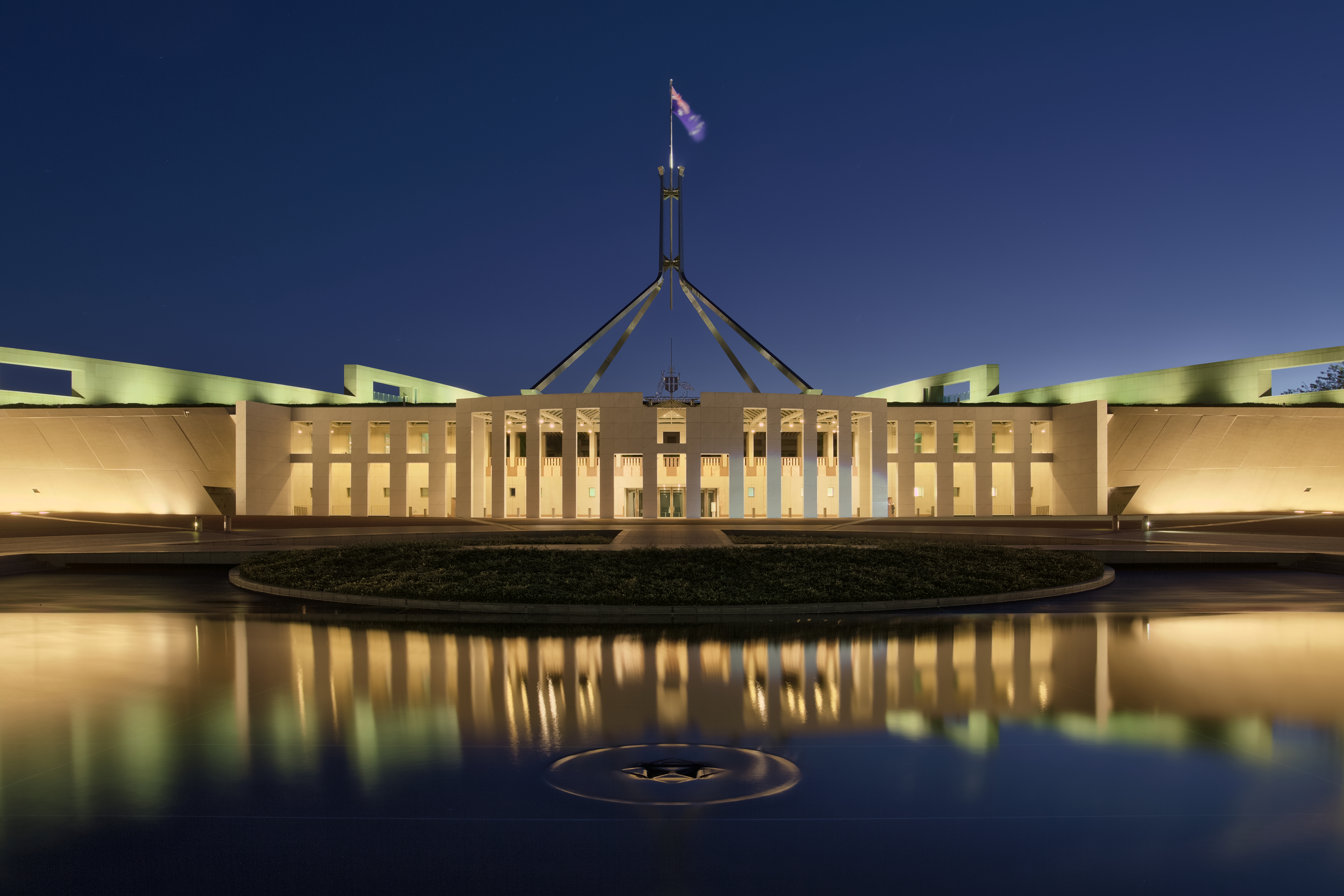
The incident took place at Parliament House in Canberra, the seat of the Australian government [2, 3].
“Pauline Hanson has been suspended from the Senate for the remainder of the year.”
The suspension of a sitting senator for a symbolic protest highlights the tension between parliamentary decorum and the 'firebrand' political tactics used by the One Nation party. By centering the debate on the burqa, Hanson is attempting to link cultural attire to broader issues of national security and identity, forcing a public confrontation over the limits of multiculturalism in Australia.


