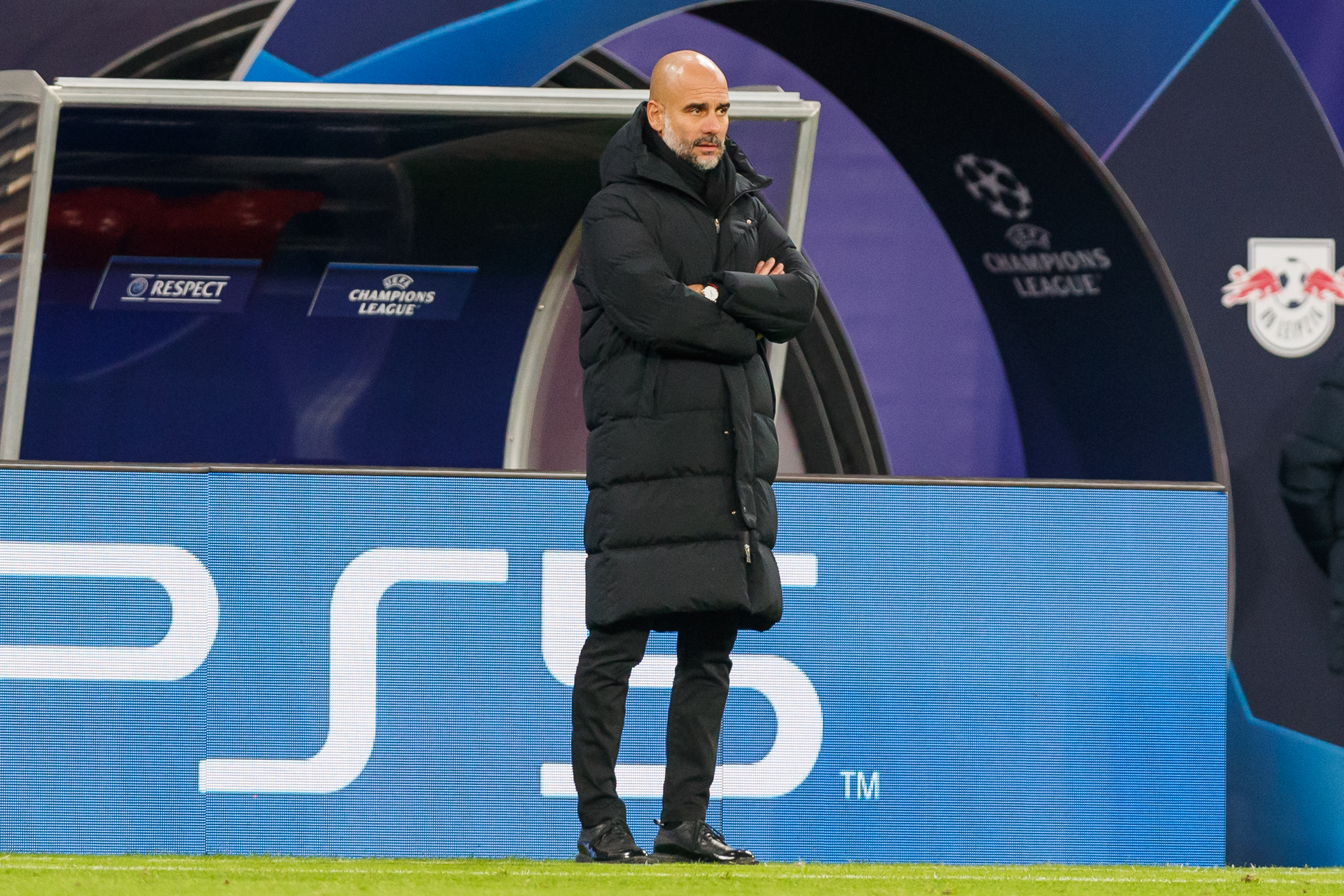
Pep Guardiola announced he will leave his position as manager of Manchester City at the end of the season.
The departure of one of the most successful managers in football history marks the end of a dominant era for the English club. Guardiola's exit creates a significant leadership vacuum as the team looks to maintain its competitive edge in domestic and international competitions.
Guardiola made the announcement during a press conference at the Etihad Stadium. The briefing took place ahead of Manchester City's final league game against Aston Villa.
Guardiola said the club requires a transition to maintain its momentum. "Ten years is a lot of time and I think the club needs a new manager, new energy with these incredible players that we have right now and start to write another chapter," Guardiola said.
The manager's tenure has spanned 10 years [1]. He said the decision stems from a personal concern regarding the stamina required to sustain the club's high standards. "I fear I will run out of the energy required to lead Manchester City," Guardiola said.
Guardiola said the current squad is capable of further success under different leadership. He said the club needs a fresh start with a new manager, and new energy to move forward.
This announcement comes as the club prepares for its final match of the campaign. The transition will likely involve a global search for a successor capable of managing the high expectations set during Guardiola's decade-long stay.
“"Ten years is a lot of time and I think the club needs a new manager, new energy"”
Guardiola's departure signals a strategic pivot for Manchester City. After a decade of tactical innovation and trophy success, the club must now determine if it can sustain its identity without the architect of its modern system. The emphasis on 'new energy' suggests that the club may prioritize a successor who can revitalize the squad's psychological approach rather than simply mimicking Guardiola's specific style of play.


