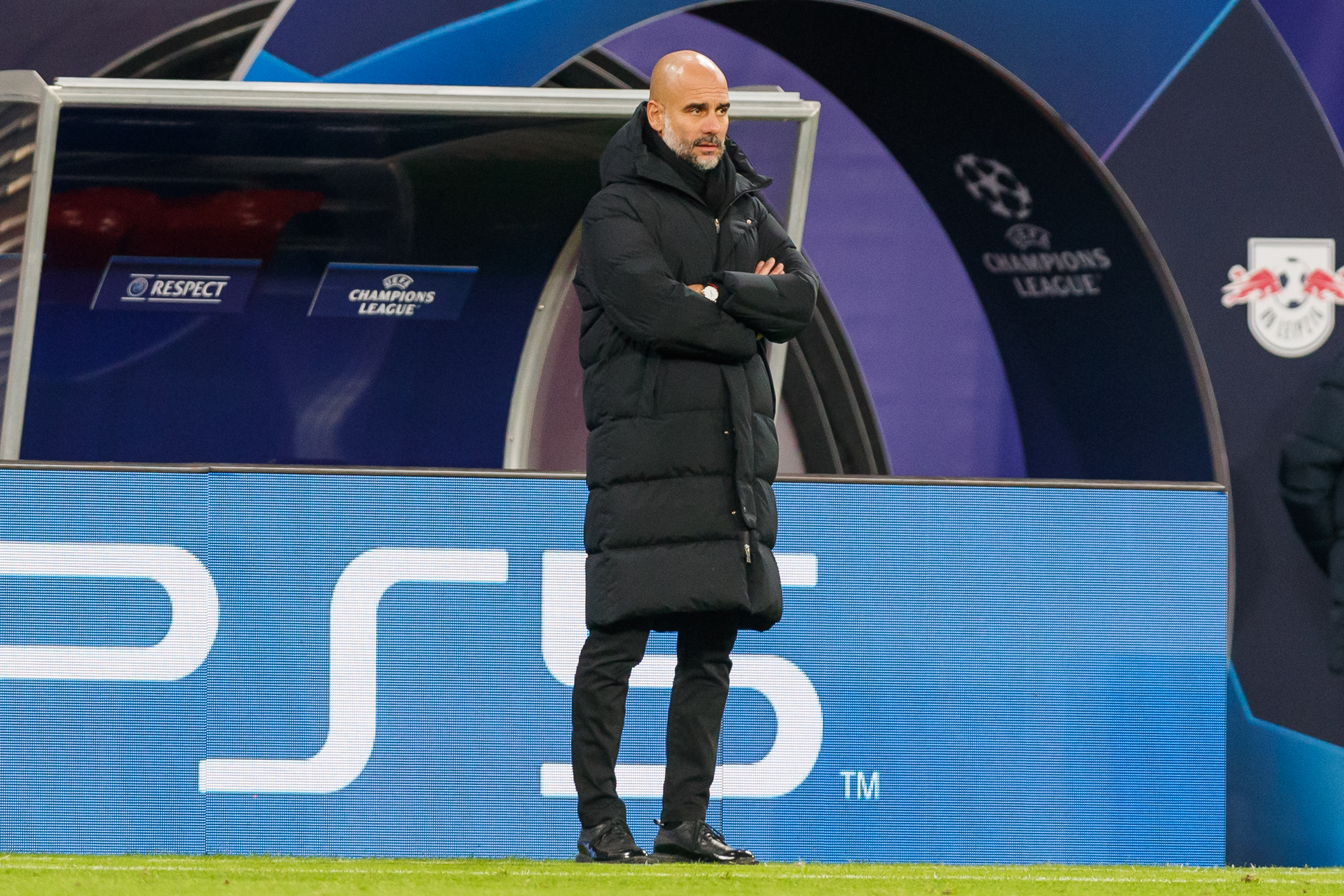
Pep Guardiola is officially stepping down as the manager of Manchester City Football Club after 10 seasons [1].
The departure of one of the most successful managers in football history marks the end of an era for the club. His exit creates a significant void in leadership and raises questions about how the team will maintain its dominance in the Premier League and European competitions.
Guardiola's tenure spanned from 2016 to 2026 [1]. The announcement arrived on a Friday morning, confirming that he will leave the club in the summer of 2026 [2]. He said he is moving on to pursue his next career opportunity after a decade of success in Manchester [1].
While some reports suggest his next role has already been revealed [3], other accounts indicate Guardiola has only provided hints about his future as the club approaches the final weeks of his final season [4]. The transition comes as the club considers its next steps for the managerial position.
Much of the current discussion surrounding the exit focuses on the club's infrastructure. Analysts said they are questioning whether Manchester City's recruitment and scouting efficiency will decline without Guardiola's direct influence on player profiles, and tactical requirements.
Guardiola has spent the last 10 years shaping the culture at the Etihad Stadium [1]. His departure will force the organization to determine if the systems he implemented are sustainable under a different leader, or if the club's success was too closely tied to his specific management style.
“Pep Guardiola is officially stepping down as Manchester City manager after ten seasons”
Guardiola's exit tests the strength of Manchester City's institutional framework. If the club continues to recruit and perform at a high level, it proves that the 'City model' is a systemic success; however, a decline in performance would suggest the club's dominance was primarily driven by Guardiola's individual genius rather than a repeatable organizational process.