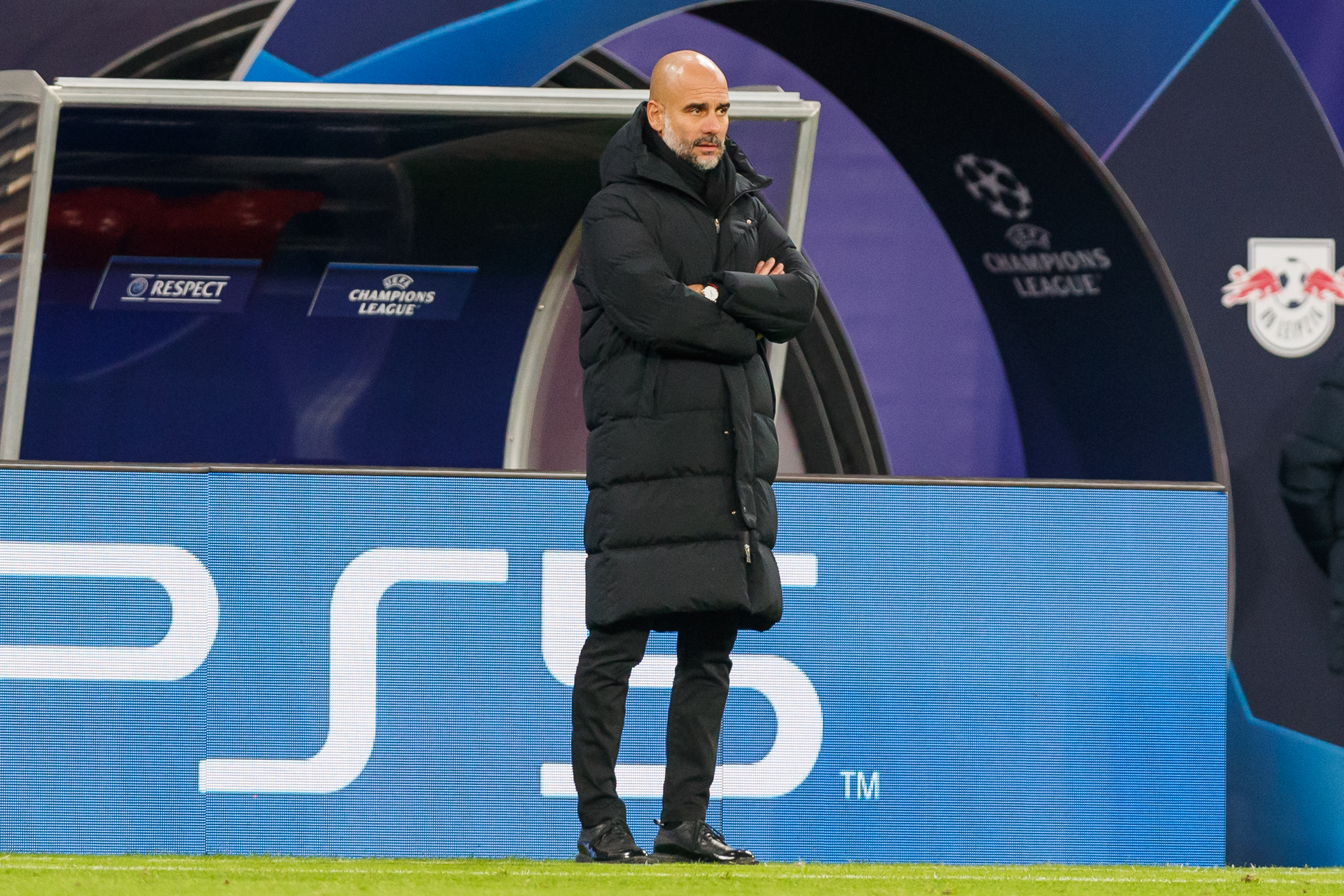
Pep Guardiola is leaving Manchester City after a tenure that fundamentally changed the landscape of English football [1].
His departure marks the end of an era that redefined tactical standards across the Premier League. The influence of Guardiola's methods has forced opposing managers to adapt their strategies to compete with the high standards set at the Etihad Stadium [1, 2].
A panel discussion on Sky Sports' Sunday Supplement examined the legacy of the Catalan manager as he prepares to exit the club [1, 3]. The discussion focused on how Guardiola's approach to the game led to a period of sustained success, and multiple trophies for Manchester City [2, 3].
Guardiola spent 10 years at the helm of the club [1]. During this decade, his commitment to a specific philosophy of possession and positional play became a blueprint for other teams in the league. The panel said that the tactical shift in English football was so profound that many of his peers began to mirror his systems [3].
This tactical migration has raised the overall quality of play in the league, though it also created a challenging environment for teams attempting to break the dominance of Manchester City [1, 2]. The manager's impact extended beyond the trophy cabinet, influencing how players are trained, and how roles on the pitch are interpreted [2].
While the specifics of his successor remain a subject of speculation, the void left by Guardiola is seen as significant. He is credited with transforming Manchester City into a global powerhouse, and reshaping the strategic identity of the English game [1, 2].
“Pep Guardiola is leaving Manchester City after a tenure that fundamentally changed the landscape of English football.”
Guardiola's exit represents a pivotal shift for the Premier League. By implementing a rigorous tactical system that other clubs eventually emulated, he accelerated the technical evolution of the league. His departure creates a power vacuum and a tactical opening that may allow other clubs to move away from 'Pep-style' systems to find new ways to compete.