Advances in mRNA technology, artificial intelligence, and wearables are shifting healthcare toward a personalized, data-driven model of medicine.
This transition matters because it allows clinicians to treat biology as information. By tailoring therapies to individual patients, the medical industry can move away from a one-size-fits-all approach to improve patient outcomes.
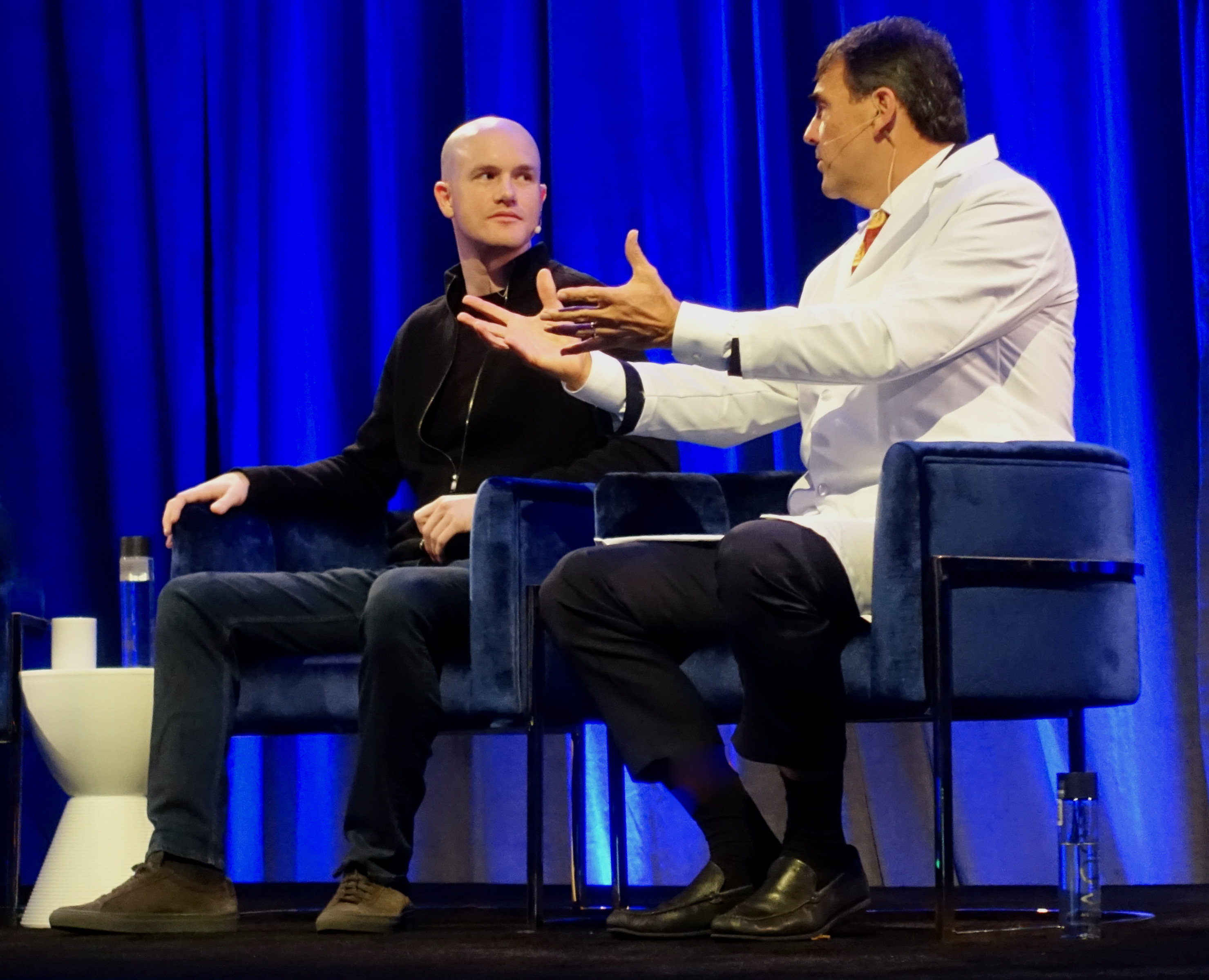
Stéphane Bancel, CEO of Moderna, and Eric Kutcher, McKinsey North America chair, said these shifts occurred in a recent conversation. They said that the integration of predictive analytics and wearable sensors enables a more proactive approach to health. These technologies allow for the continuous monitoring of biological data, which can then be used to customize treatments in real time.
Financial investments reflect this technological pivot. Healthcare AI spending reached $1.4 billion in 2025 [1]. This surge in funding supports the development of tools that can process vast amounts of patient data to predict health crises before they occur.
Beyond the technology, the shift toward personalized care addresses systemic labor challenges. The global health-worker shortfall is projected to be approximately 11 million by 2030 [2]. Predictive analytics and AI-driven monitoring can reduce the burden on human staff by automating routine data collection and flagging only the most critical patient needs.
Wearable technology plays a central role in this ecosystem. By capturing continuous streams of physiological data, these devices provide a more accurate picture of a patient's health than occasional clinic visits. When combined with mRNA capabilities, this data can potentially inform the creation of highly specific vaccines or therapies designed for a single individual's genetic makeup.
Industry analysts said that this evolution marks a transition from traditional healthcare to a focus on "healthspan." The goal is to extend the period of life spent in good health through early detection and precision intervention.
“The next era of healthcare is personal.”
The convergence of AI and mRNA represents a fundamental change in medical philosophy, moving from reactive treatment to predictive prevention. By treating biological data as software that can be updated and optimized, the industry aims to mitigate a looming global staffing crisis while increasing the precision of interventions.