A magnitude 5.6 earthquake struck central Peru on Saturday night, causing buildings to collapse and leaving several people dead [1], [2].
The disaster highlights the vulnerability of residential structures in the Andes region, where seismic activity frequently threatens densely populated rural communities.
The quake occurred at a depth of approximately 22 km [1], [5]. While most reports identify a single seismic event, some accounts indicate that two earthquakes rocked the Chupaca province [12]. One report listed the magnitude as 5.5 [4], though multiple other sources confirmed it as 5.6 [1], [2], [3].
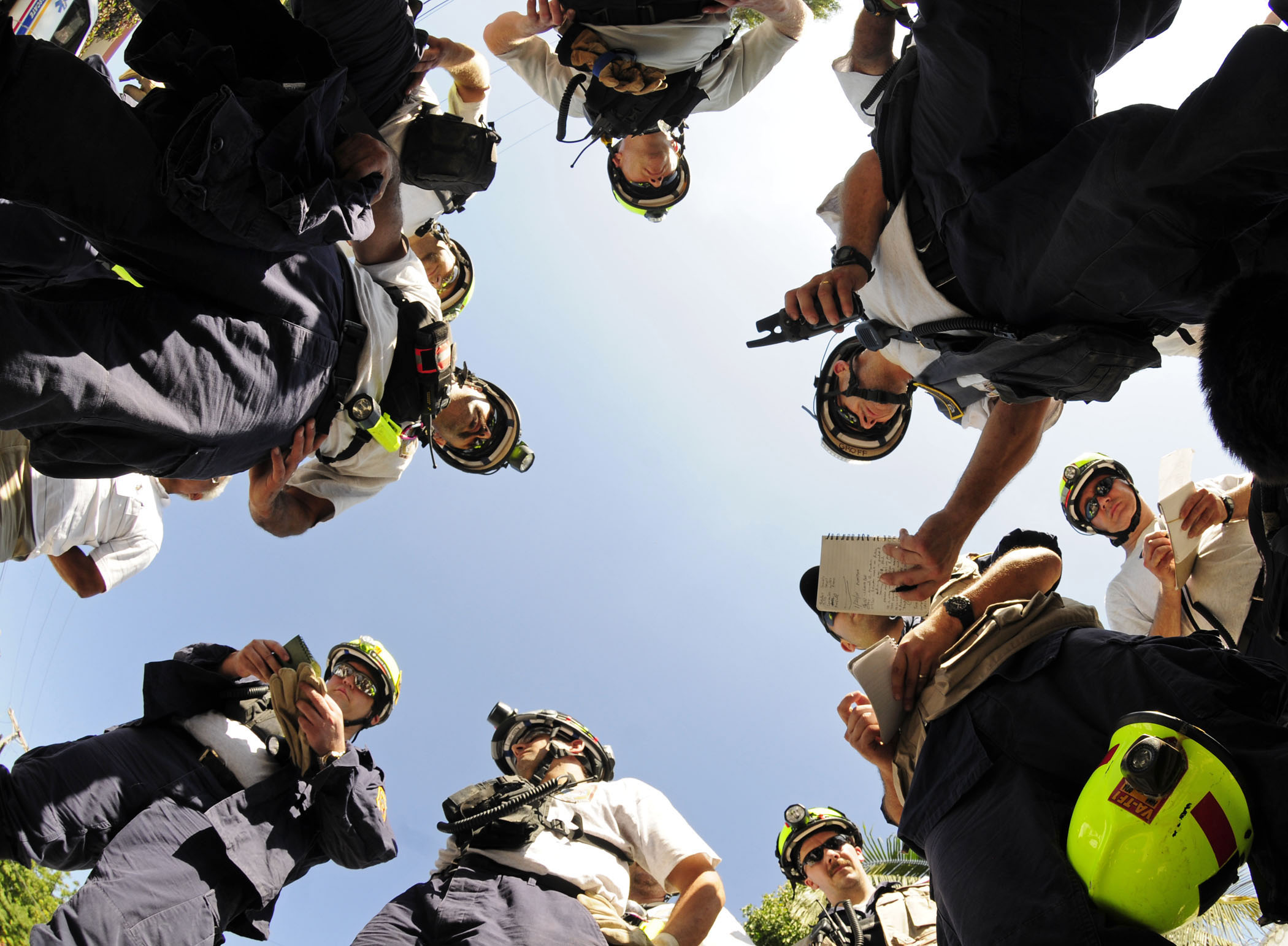
In the town of Pumpunya, the tremors caused homes to cave in, trapping residents beneath debris. Firefighters and emergency crews worked through the night to locate a missing person and recover victims from the rubble [1], [2].
Casualty reports vary across sources. Some reports state that several people died [2], [7], while others specify that at least five people died [4], [9]. Additionally, 21 people were injured in the aftermath of the shaking [11].
The impact extended beyond immediate casualties, with approximately 300 residents affected by the damage to their homes, and infrastructure [11]. Local authorities have focused rescue efforts on the most severely damaged sectors of Pumpunya and the surrounding Chupaca province [1], [6].
Emergency responders said the search for survivors continues as crews sift through the remains of collapsed buildings to ensure no one remains trapped.
“A magnitude 5.6 earthquake struck central Peru on Saturday night.”
This event underscores the ongoing risk posed by tectonic activity in the Peruvian Andes. The disparity in death tolls and magnitude reports suggests a chaotic initial response phase common in rural disasters, where infrastructure damage often hinders the rapid collection of verified data.

