
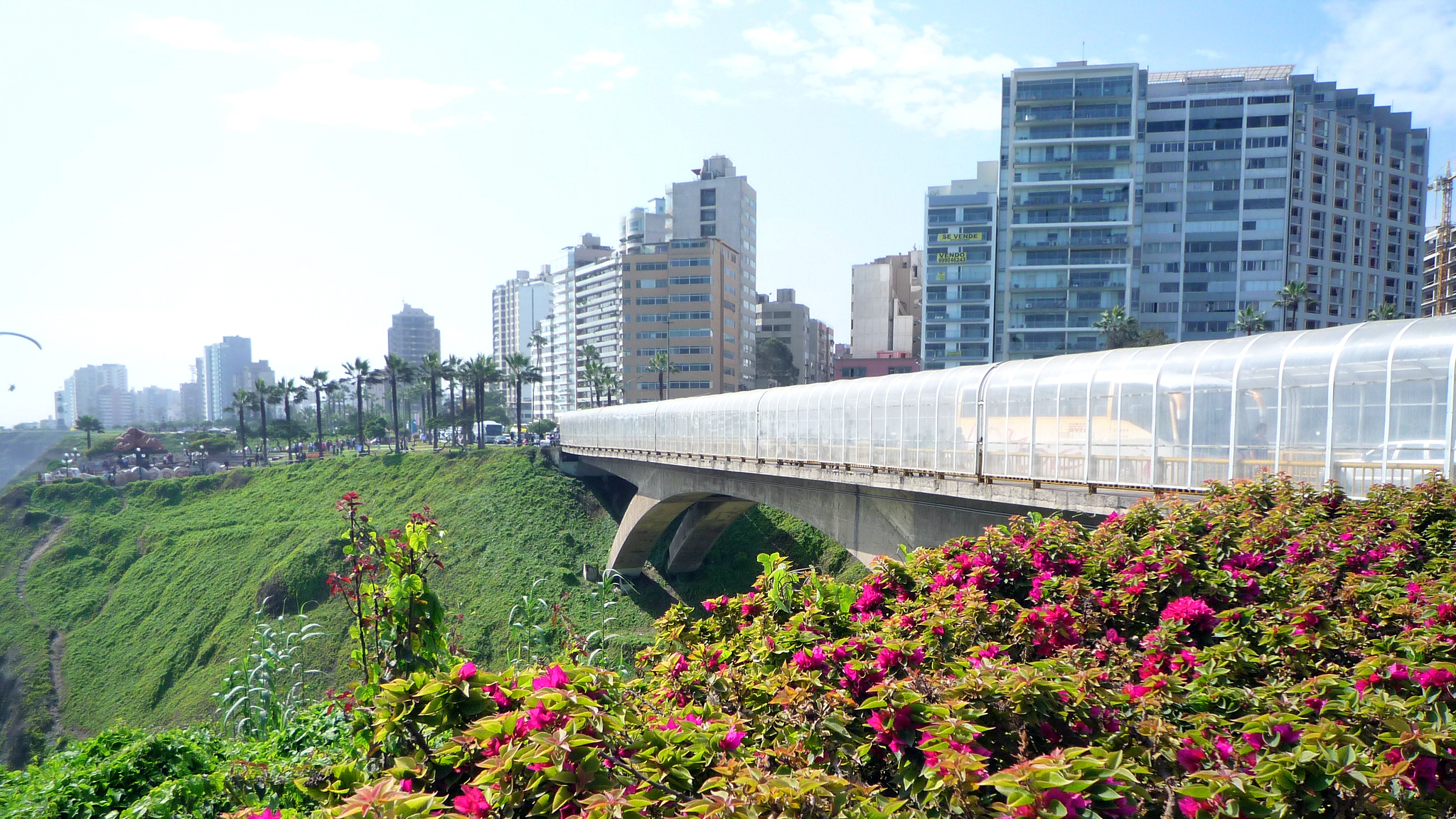
Peru held a presidential runoff election on Sunday, June 7, 2026, to choose between candidates Keiko Fujimori and Roberto Sánchez [1].
The election is a critical attempt to establish stability in a nation characterized by fragmented voting and prolonged political instability. The two finalists represent opposing ideological models for the country's future.
Keiko Fujimori of the Fuerza Popular party represents the right-wing conservative platform. She is facing Roberto Sánchez of Juntos por el Perú, a left-wing deputy. The National Jury of Elections (JNE) officially proclaimed these two candidates for the second round on May 17, 2026 [2].
The race follows a divided first round where no candidate secured an absolute majority. Marco Aquino of Reuters said Peru would choose its next president between the right-wing Fujimori and the left-wing Sánchez.
Sánchez advanced to the runoff after securing enough votes to edge out other contenders by a narrow margin. This setup creates a stark contrast in governance styles, with one favoring conservative policies and the other leaning toward left-wing reforms.
Polling stations were open nationwide throughout Sunday. Editorial staff at Diario Correo said the future of Peru is defined at the ballot boxes on June 7.
With only two candidates remaining in the contest [3], the result will determine whether the country shifts toward a conservative administration or moves toward the left to address its ongoing political crises.
“The future of Perú se define hoy domingo 07 de junio en las urnas.”
This election represents a fundamental ideological crossroads for Peru. By pitting a conservative mainstay like Fujimori against a left-wing challenger like Sánchez, the runoff is not merely a choice of leadership but a referendum on which economic and social model can best resolve the country's chronic political volatility and fragmented legislative environment.

'%2F%3E%0A%20%20%20%20%3Crect%20width%3D'1600'%20height%3D'900'%20fill%3D'url(%23v)'%2F%3E%0A%20%20%20%20%3Cg%20opacity%3D'0.08'%20fill%3D'%23ffffff'%3E%0A%20%20%20%20%20%20%3Ccircle%20cx%3D'1420'%20cy%3D'180'%20r%3D'220'%2F%3E%0A%20%20%20%20%20%20%3Ccircle%20cx%3D'1500'%20cy%3D'760'%20r%3D'120'%2F%3E%0A%20%20%20%20%3C%2Fg%3E%0A%20%20%20%20%3Cline%20x1%3D'80'%20y1%3D'172'%20x2%3D'220'%20y2%3D'172'%20stroke%3D'%23ffffff'%20stroke-width%3D'3'%20stroke-opacity%3D'0.6'%2F%3E%0A%20%20%20%20%3Ctext%20x%3D'80'%20y%3D'140'%20font-family%3D'Inter%2C%20-apple-system%2C%20Helvetica%2C%20sans-serif'%20font-weight%3D'700'%20font-size%3D'28'%20fill%3D'%23ffffff'%20letter-spacing%3D'6'%3EHANNA%20%C2%B7%20NEWS%3C%2Ftext%3E%0A%20%20%20%20%3Ctext%20x%3D'80'%20y%3D'230'%20font-family%3D'Inter%2C%20-apple-system%2C%20Helvetica%2C%20sans-serif'%20font-weight%3D'600'%20font-size%3D'40'%20fill%3D'%23ffffffb3'%20letter-spacing%3D'4'%3EWORLD%3C%2Ftext%3E%0A%20%20%20%20%3Ctext%20x%3D'80'%20y%3D'694'%20font-family%3D'Playfair%20Display%2C%20Georgia%2C%20serif'%20font-weight%3D'800'%20font-size%3D'110'%20fill%3D'%23ffffff'%20letter-spacing%3D'-1'%3EIran%20Launches%20Ballistic%3C%2Ftext%3E%3Ctext%20x%3D'80'%20y%3D'820'%20font-family%3D'Playfair%20Display%2C%20Georgia%2C%20serif'%20font-weight%3D'800'%20font-size%3D'110'%20fill%3D'%23ffffff'%20letter-spacing%3D'-1'%3EMissiles%20at%20Israel%3C%2Ftext%3E%0A%20%20%20%20%3Ctext%20x%3D'80'%20y%3D'870'%20font-family%3D'Inter%2C%20-apple-system%2C%20Helvetica%2C%20sans-serif'%20font-weight%3D'500'%20font-size%3D'22'%20fill%3D'%23ffffff66'%20letter-spacing%3D'2'%3Enews.hanna-ai.com%3C%2Ftext%3E%0A%20%20%3C%2Fsvg%3E)

