
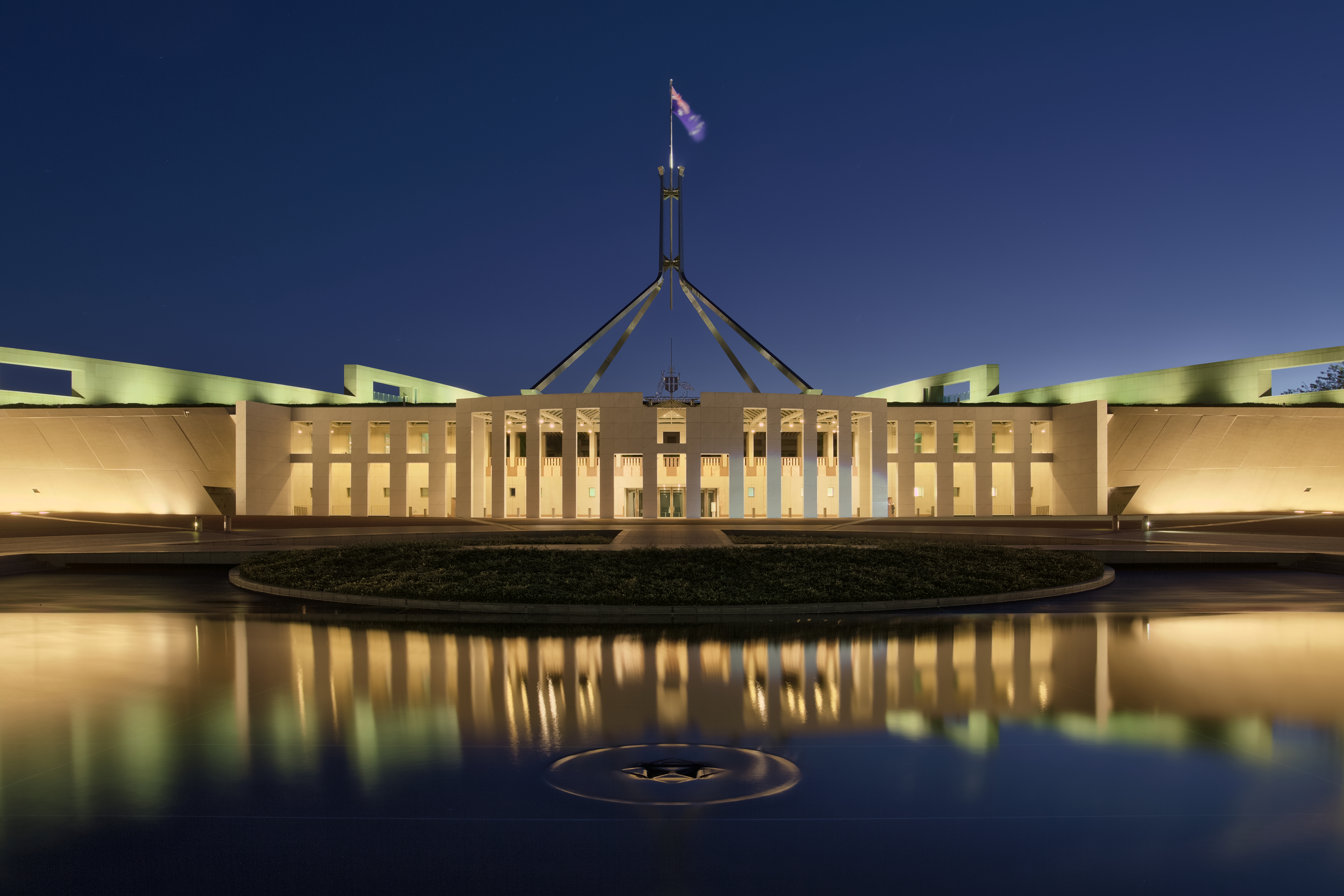
Former Labor minister and backbencher Peter Garrett has launched a crowd-funded public inquiry into Australia’s AUKUS nuclear-submarine deal [1, 2].
The move comes as skepticism grows regarding the ability of the U.S. to meet its commitments under the pact. Because the deal involves significant national security interests and massive financial investments, a public review reflects a growing political divide over Australia's strategic direction.
Garrett initiated the inquiry in Canberra on Tuesday [1, 2]. The timing follows recent announcements from the federal government regarding changes to the AUKUS agreement [1, 2]. This new process aims to provide a transparent assessment of the submarine plan at a time when official government narratives are being questioned by some political figures.
The inquiry focuses on the feasibility of the current plan and whether the U.S. can realistically deliver the promised technology and vessels [1, 2]. By utilizing a crowd-funding model, the initiative operates independently of government funding, a move intended to ensure the review remains free from executive influence.
Critics of the current AUKUS trajectory argue that the reliance on foreign partners may be overly optimistic. Garrett said this inquiry is a necessary check on the government's defense strategy to determine if the submarine plan requires a fundamental rethink [1, 2].
While the federal government maintains its commitment to the pact, the launch of a private, citizen-backed inquiry signals a shift in how defense policy is contested in the public sphere. The process will likely examine the timeline and cost implications of the modified deal to see if they align with Australia's long-term interests [1, 2].
“Peter Garrett has launched a crowd-funded public inquiry into Australia’s AUKUS nuclear-submarine deal.”
The launch of a non-governmental inquiry into AUKUS suggests a breakdown in consensus over Australia's primary security alliance. By bypassing official channels through crowd-funding, the movement indicates that a segment of the political and public sphere no longer trusts government assurances regarding the U.S. capacity to deliver nuclear-powered submarines.


