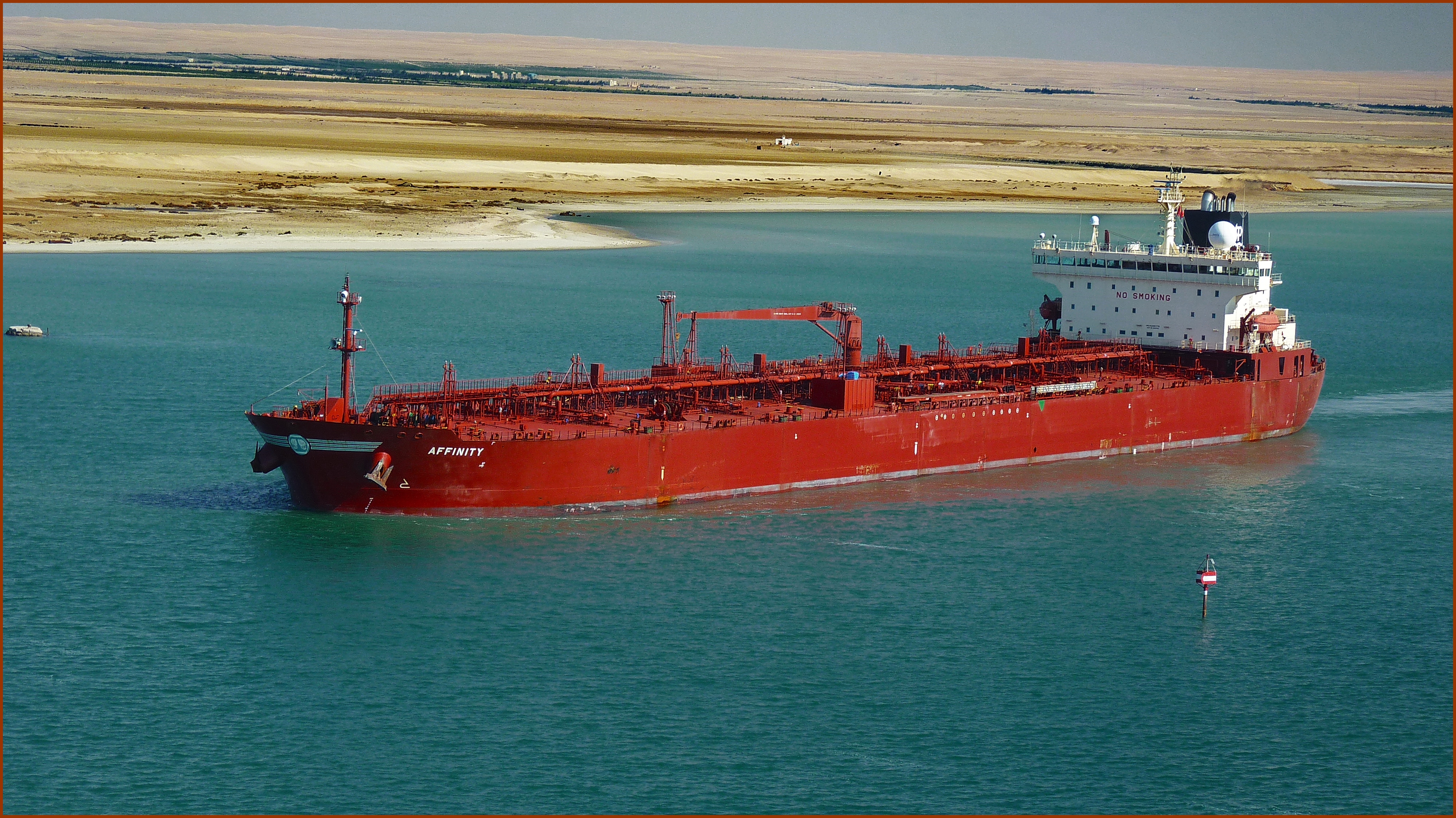
Philippine fisherfolk are facing severe financial pressure as fuel price surges linked to the Iran war drive up operational costs [1].
This crisis threatens the livelihood of millions of whom rely on the sea for their primary source of income and food security. The increase in fuel costs makes it difficult for small-scale operators to maintain their daily operations, which in turn affects the overall supply of fish in local markets.
According to reports, the surge in oil prices has led to a significant reduction in profits and incomes for those in the fishing sector [1]. The rising cost of fuel prevents many fishers from venturing far into the sea, limiting their access to the deeper waters where catches are typically larger. This has resulted in a falling catch rate, which further cuts into the same incomes already pressured by the fuel costs [1].
Industry members have expressed their struggle to remain viable. One report noted that fisherfolk are now in a position where they hardly make any profit [1].
The impact is widespread across the archipelago. More than 2 million people in the fishing sector are currently affected by these financial constraints [1]. The combination of high fuel prices and reduced catches means that many are unable to cover their basic operational expenses, leaving them vulnerable to debt and deeper poverty.
As the global energy market remains volatile, the Philippine fishing community continues to struggle with the direct consequences of geopolitical tensions in the Middle East. The lack of a localized one-time subsidy or long-term fuel price stabilization mechanism has left these workers exposed to international price shocks [1].
Local fishers are now forced to choose between spending more on fuel to seek larger catches or reducing their trips to the sea, which lowers the overall fish supply for the rest of the population.
“Philippine fisherfolk are facing severe financial pressure as fuel price surges linked to the Iran war drive up operational costs.”
The situation highlights the vulnerability of the Philippine fishing industry to external geopolitical shocks. Because the sector is heavily dependent on imported fuel, the majority of small-scale fishers are unable to absorb the same cost increases that larger commercial fleets. This creates a food security risk for a nation that relies heavily on seafood as a primary protein source.