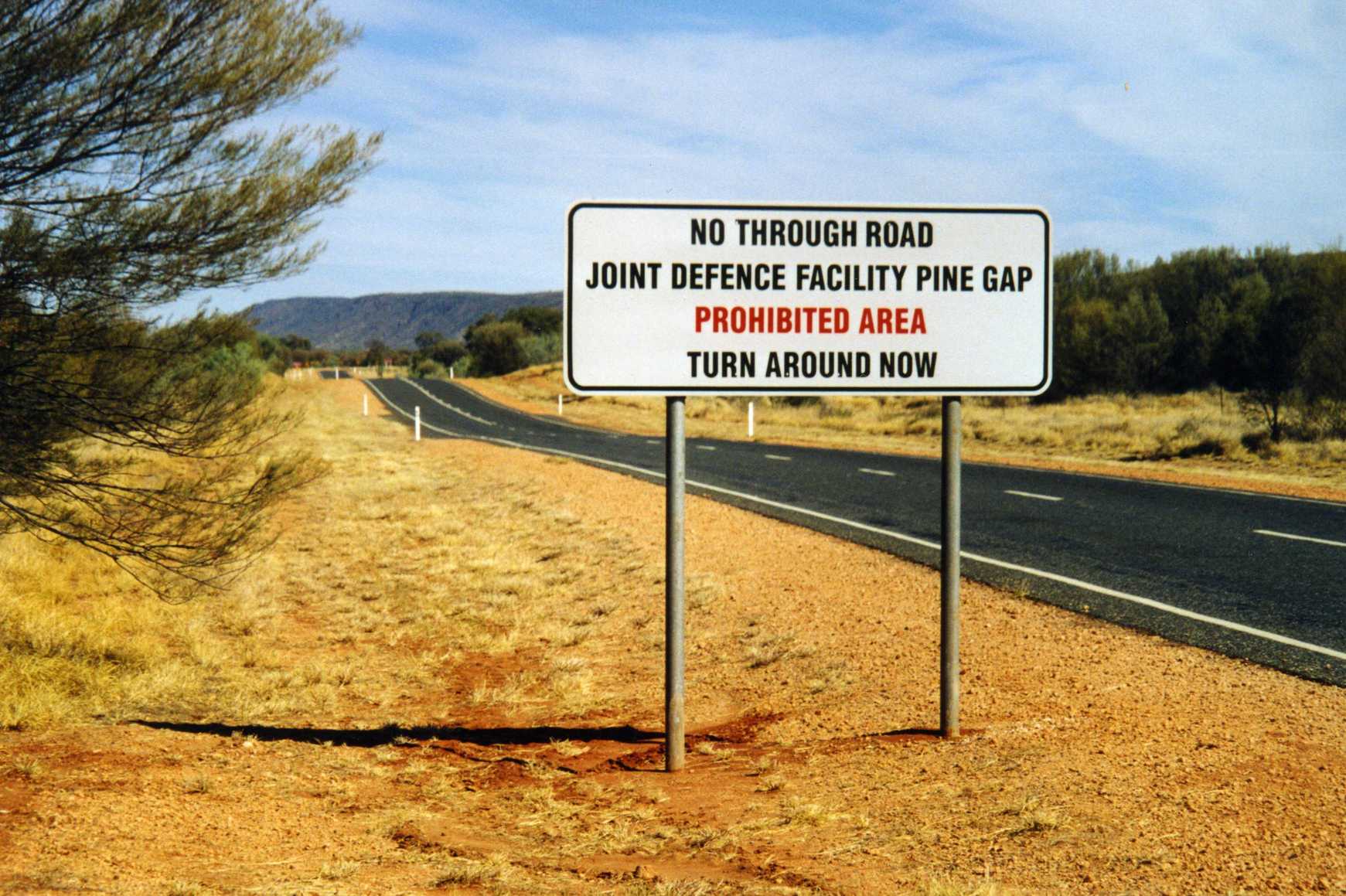
Hundreds of protesters gathered at the Pine Gap joint Australia-U.S. defense facility near Alice Springs to demand transparency and land rights [1].
The demonstration marks a significant escalation in public scrutiny of the secretive site. By combining geopolitical concerns with Indigenous land rights, the protest highlights the tension between national security interests and the sovereignty of Traditional Owners.
Participants included Arrernte Traditional Owners, academics, and activists, with protest organizer Nathalie Farah coordinating the event [1]. The group is seeking greater transparency regarding the role the facility plays in U.S. intelligence operations [1].
Beyond intelligence concerns, the Arrernte Traditional Owners are demanding compensation, and access to culturally significant sites located within the facility's perimeter [1]. The base operates as a critical node for satellite tracking and signals intelligence, often remaining shielded from public or parliamentary oversight.
Reports on the size of the crowd vary, though some sources said about 300 people marched [2]. This gathering is described as the largest protest at the site since 1987 [2].
The protesters aim to bring international attention to the facility's operations and the impact of the military presence on the local environment and Indigenous heritage [1]. The joint facility remains one of the most restricted areas in Australia, which has historically fueled suspicions about the extent of U.S. influence over domestic security policy [1].
“The largest protest at the site since 1987”
The convergence of anti-war activism and Indigenous land rights at Pine Gap signals a shift in how the facility is contested. While previous protests focused primarily on the Cold War or global surveillance, the current movement integrates the legal and moral claims of the Arrernte people. This adds a domestic human rights dimension to the geopolitical debate over the U.S. intelligence footprint in the Northern Territory.

