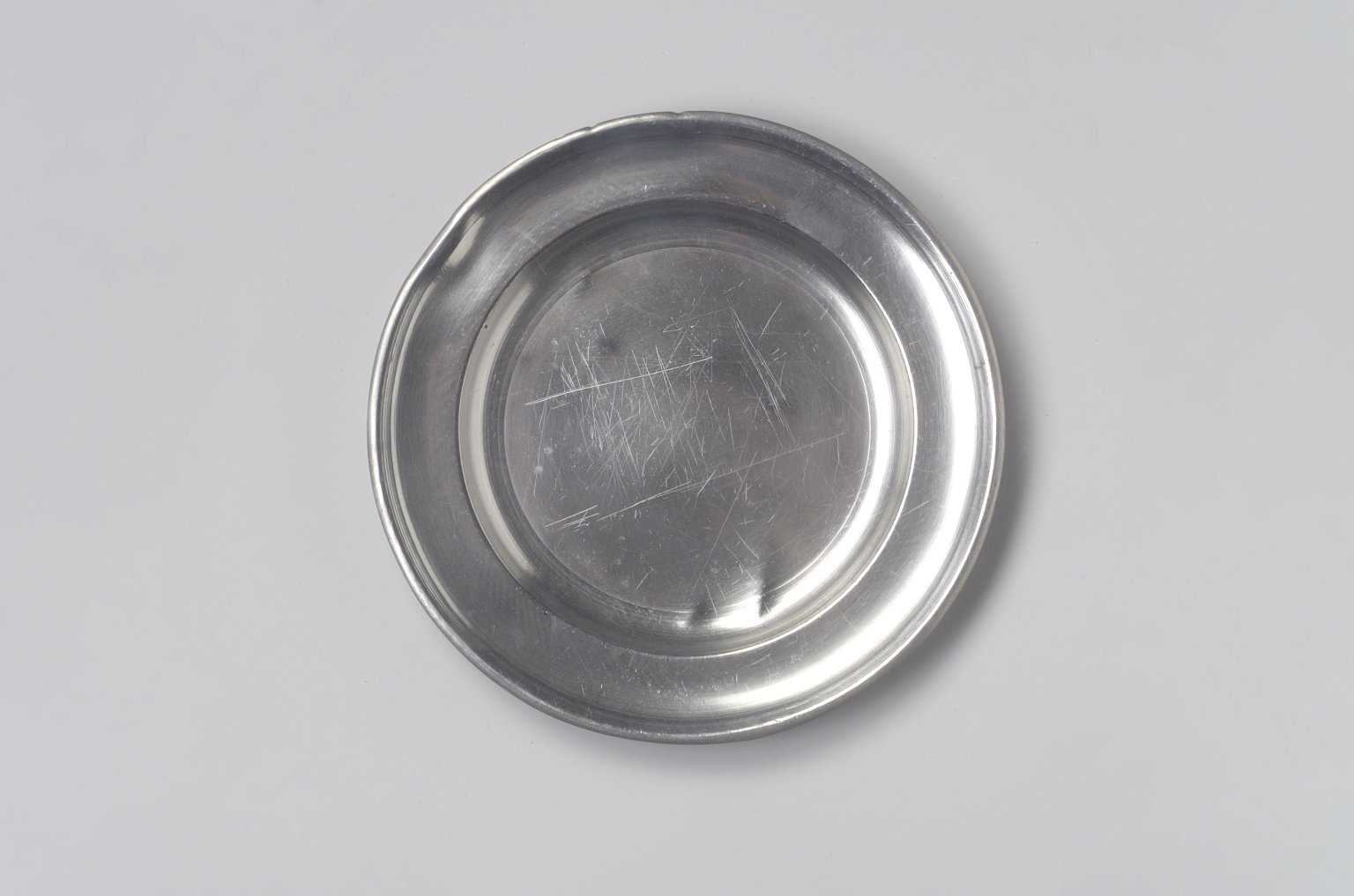
Dinner plate sizes and food portion amounts have increased over the last 50 years [1].
This trend is significant because it influences subconscious eating habits. When plates are larger, individuals tend to serve themselves more food and consume more calories than necessary, directly impacting public health outcomes.
Health experts and the general public have observed a correlation between the physical size of dinnerware and the prevalence of obesity in various parts of the world [1], [2]. The psychological effect of a larger plate often tricks the brain into perceiving a portion as smaller than it actually is, leading to overeating [2].
Over the past five decades, the gradual expansion of plate diameters has normalized larger portions [1]. This shift in dining habits has occurred alongside a global rise in obesity rates, as the environment encourages individuals to eat more than their bodies require [2].
Experts said that the size of the vessel used for serving food acts as a visual cue for satiety. When the plate is oversized, a standard portion looks insufficient, prompting people to add more food to fill the space, a cycle that contributes to long-term weight gain [2].
Reducing the size of plates is proposed as a simple behavioral intervention to help manage food intake. By returning to smaller dinnerware, individuals may naturally reduce their caloric intake without feeling deprived, potentially slowing the rise of obesity [1], [2].
“Dinner plate sizes and food portion amounts have increased over the last 50 years.”
The correlation between dinnerware size and obesity highlights how environmental design influences biological outcomes. As industrial standards for plates grew, they created a 'portion distortion' effect that decoupled visual satiety from actual nutritional needs, suggesting that public health interventions must address the physical environment of eating, not just dietary willpower.


