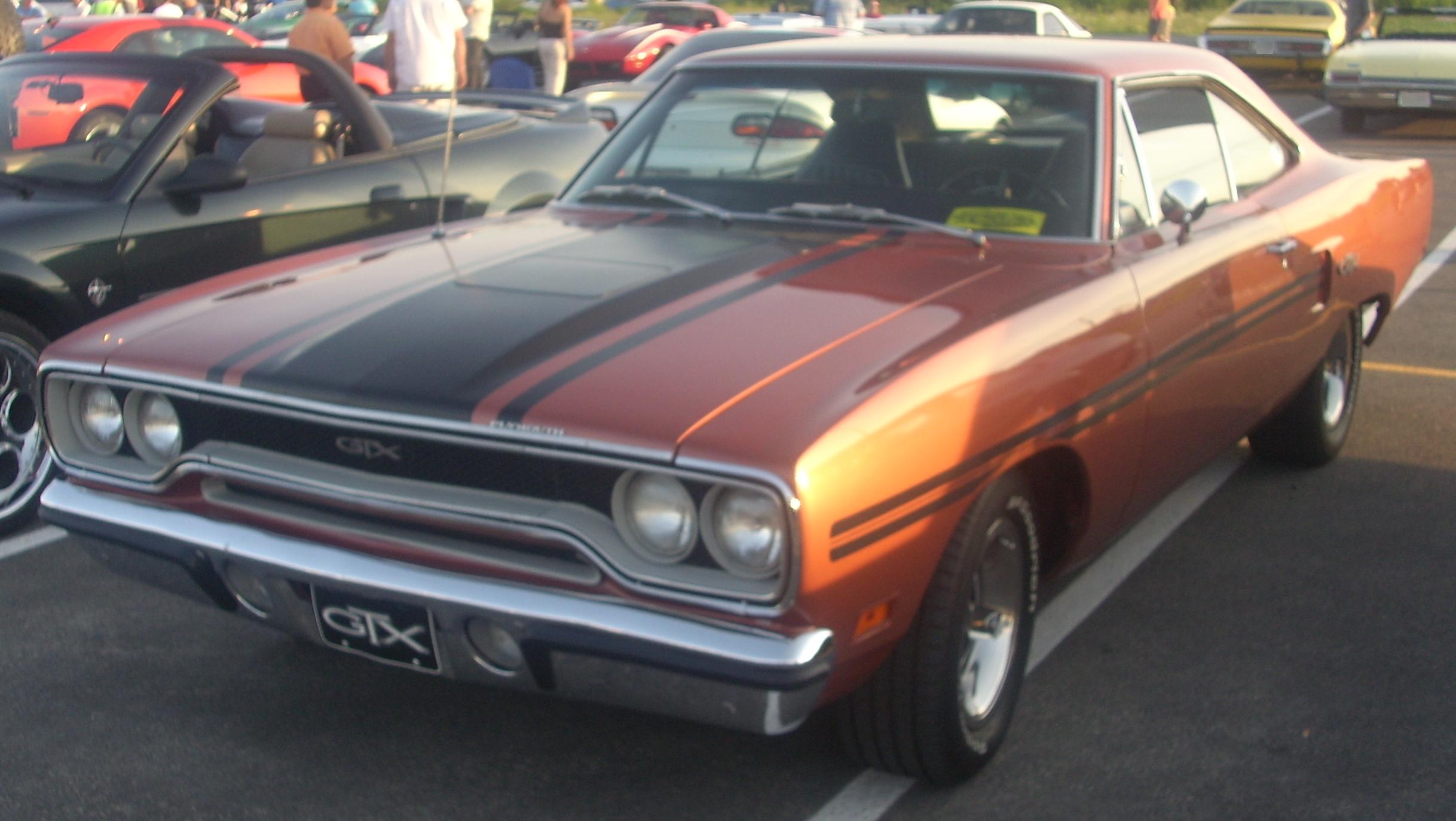
The Plymouth GTX emerged in the late 1960s as a high-performance vehicle designed to blend premium luxury with American muscle [1, 2].
This strategic positioning allowed Plymouth to target a specific demographic of buyers who desired the speed of a muscle car without sacrificing the refined comfort of a luxury sedan. By differentiating itself from the speed-only models of the era, the GTX created a new market segment for upscale performance [1, 4].
Marketed as the "gentleman's muscle car," the vehicle combined serious power with high-end interior appointments [1, 3]. This approach helped the car stand out in a crowded performance market where most competitors focused solely on raw acceleration and stripped-down interiors [3].
Historical records vary on the specific peak of the model's influence. Some sources highlight the 1967 model year as the point where the GTX entered the market with a different strategy [2, 3]. Other accounts emphasize the 1969 model year as the era when the vehicle truly earned its reputation for luxury and performance [2].
Additionally, the GTX is cited as one of the most iconic examples of the gentleman's muscle car trend during the 1970 model year [5]. This indicates a sustained period of influence throughout the late 1960s and the start of the new decade.
Chrysler produced the GTX to ensure that buyers did not have to choose between a refined driving experience and a powerful engine [1, 4]. The result was a vehicle that appealed to a more mature audience than the typical muscle car buyer of the time.
“The Plymouth GTX emerged in the late 1960s as a high-performance vehicle designed to blend premium luxury with American muscle.”
The Plymouth GTX represents a pivotal shift in automotive marketing, moving away from raw power toward a 'grand touring' philosophy. By integrating luxury into the muscle car formula, Chrysler anticipated the modern trend of high-performance luxury vehicles, proving that power and prestige could coexist in a single chassis.
'%2F%3E%0A%20%20%20%20%3Crect%20width%3D'1600'%20height%3D'900'%20fill%3D'url(%23v)'%2F%3E%0A%20%20%20%20%3Cg%20opacity%3D'0.08'%20fill%3D'%23ffffff'%3E%0A%20%20%20%20%20%20%3Ccircle%20cx%3D'1420'%20cy%3D'180'%20r%3D'220'%2F%3E%0A%20%20%20%20%20%20%3Ccircle%20cx%3D'1500'%20cy%3D'760'%20r%3D'120'%2F%3E%0A%20%20%20%20%3C%2Fg%3E%0A%20%20%20%20%3Cline%20x1%3D'80'%20y1%3D'172'%20x2%3D'220'%20y2%3D'172'%20stroke%3D'%23ffffff'%20stroke-width%3D'3'%20stroke-opacity%3D'0.6'%2F%3E%0A%20%20%20%20%3Ctext%20x%3D'80'%20y%3D'140'%20font-family%3D'Inter%2C%20-apple-system%2C%20Helvetica%2C%20sans-serif'%20font-weight%3D'700'%20font-size%3D'28'%20fill%3D'%23ffffff'%20letter-spacing%3D'6'%3EHANNA%20%C2%B7%20NEWS%3C%2Ftext%3E%0A%20%20%20%20%3Ctext%20x%3D'80'%20y%3D'230'%20font-family%3D'Inter%2C%20-apple-system%2C%20Helvetica%2C%20sans-serif'%20font-weight%3D'600'%20font-size%3D'40'%20fill%3D'%23ffffffb3'%20letter-spacing%3D'4'%3ETECH%3C%2Ftext%3E%0A%20%20%20%20%3Ctext%20x%3D'80'%20y%3D'622'%20font-family%3D'Playfair%20Display%2C%20Georgia%2C%20serif'%20font-weight%3D'800'%20font-size%3D'86'%20fill%3D'%23ffffff'%20letter-spacing%3D'-1'%3EVerizon%20Launches%20Shine%3C%2Ftext%3E%3Ctext%20x%3D'80'%20y%3D'721'%20font-family%3D'Playfair%20Display%2C%20Georgia%2C%20serif'%20font-weight%3D'800'%20font-size%3D'86'%20fill%3D'%23ffffff'%20letter-spacing%3D'-1'%3ELoyalty%20Program%20for%20US%3C%2Ftext%3E%3Ctext%20x%3D'80'%20y%3D'820'%20font-family%3D'Playfair%20Display%2C%20Georgia%2C%20serif'%20font-weight%3D'800'%20font-size%3D'86'%20fill%3D'%23ffffff'%20letter-spacing%3D'-1'%3ECustomers%3C%2Ftext%3E%0A%20%20%20%20%3Ctext%20x%3D'80'%20y%3D'870'%20font-family%3D'Inter%2C%20-apple-system%2C%20Helvetica%2C%20sans-serif'%20font-weight%3D'500'%20font-size%3D'22'%20fill%3D'%23ffffff66'%20letter-spacing%3D'2'%3Enews.hanna-ai.com%3C%2Ftext%3E%0A%20%20%3C%2Fsvg%3E)

