Prime Minister Sae Hayashi departed Haneda Airport today [1] for official visits to Vietnam and Australia to strengthen regional security and economic ties.
The diplomatic mission comes as Japan seeks to counter China's assertive regional moves and manage instability in the Middle East. By securing supply chains for critical minerals and semiconductors, Tokyo aims to reduce economic vulnerabilities while reinforcing the Free and Open Indo-Pacific (FOIP) vision.
In Hanoi, Hayashi is scheduled to meet with Communist Party General Secretary To Lam and Prime Minister Le Minh Hung [1]. The discussions will focus on security cooperation and the stability of energy supplies [1], [3]. A government official said the trip will lead to an increase in Japan's presence within ASEAN.
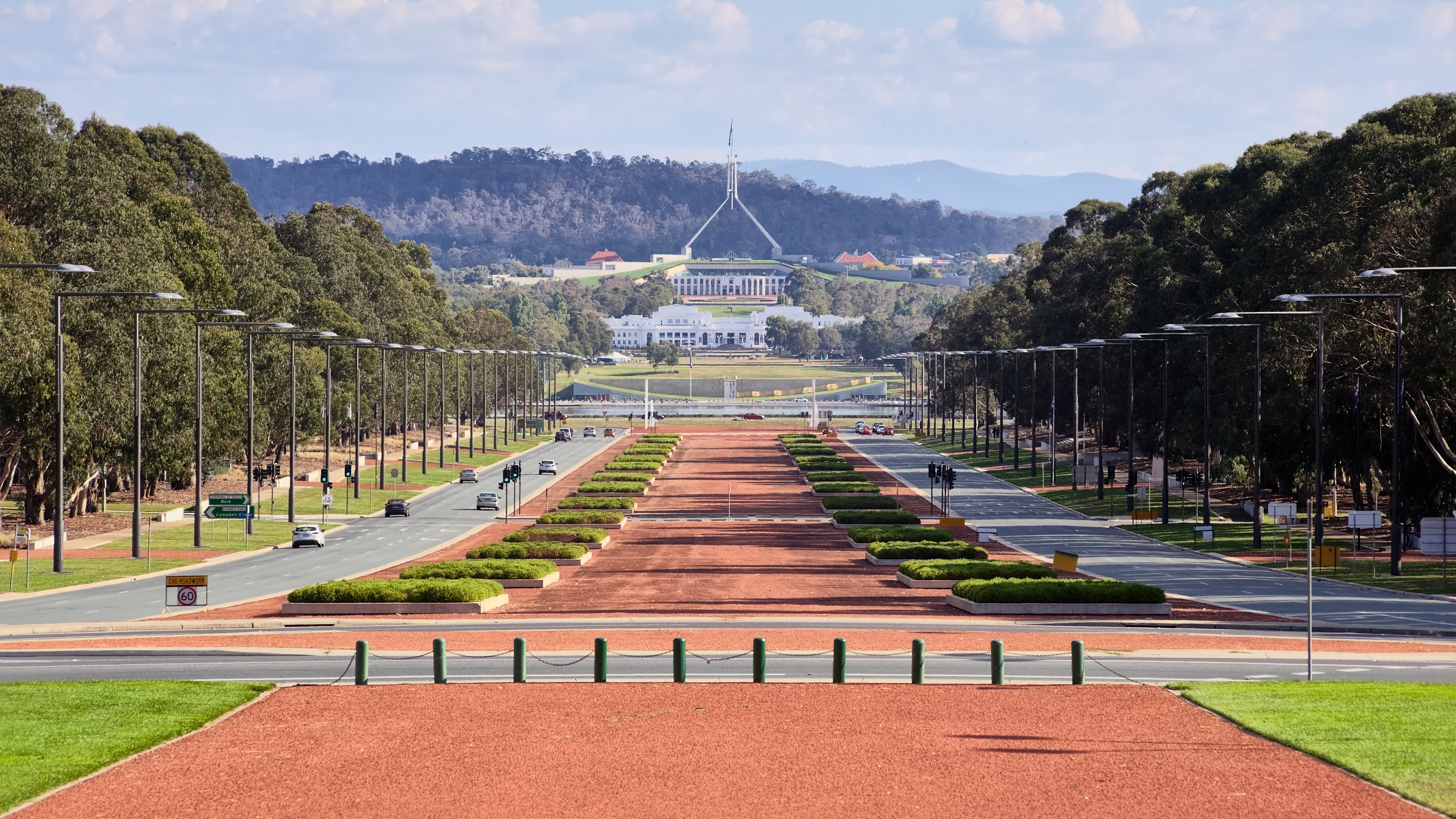
The Prime Minister will then travel to Canberra to meet with Prime Minister Anthony Albanese [1]. This leg of the journey emphasizes cooperation in the fields of critical minerals and semiconductors [1], [3]. The partnership with Australia is viewed as a strategic necessity for diversifying Japan's resource dependencies.
Government officials noted the strategic timing of the visit, which follows a trip to the U.S. A government official said the significance of visiting Australia following the U.S. is great, and said coordination with like-minded nations is currently the key.
These visits are taking place during a period of national holidays that extends from late April to early May [3]. The itinerary is designed to project Japanese leadership in the Indo-Pacific through high-level diplomacy and the promotion of the FOIP framework [1], [3].
“Now, coordination with like-minded nations is the key.”
This diplomatic offensive signals Japan's shift toward a more proactive security posture. By linking the ASEAN region with Australia and the US, Prime Minister Hayashi is attempting to build a multi-layered security architecture that reduces reliance on any single nation for critical technology and raw materials, specifically to mitigate the geopolitical leverage of China.