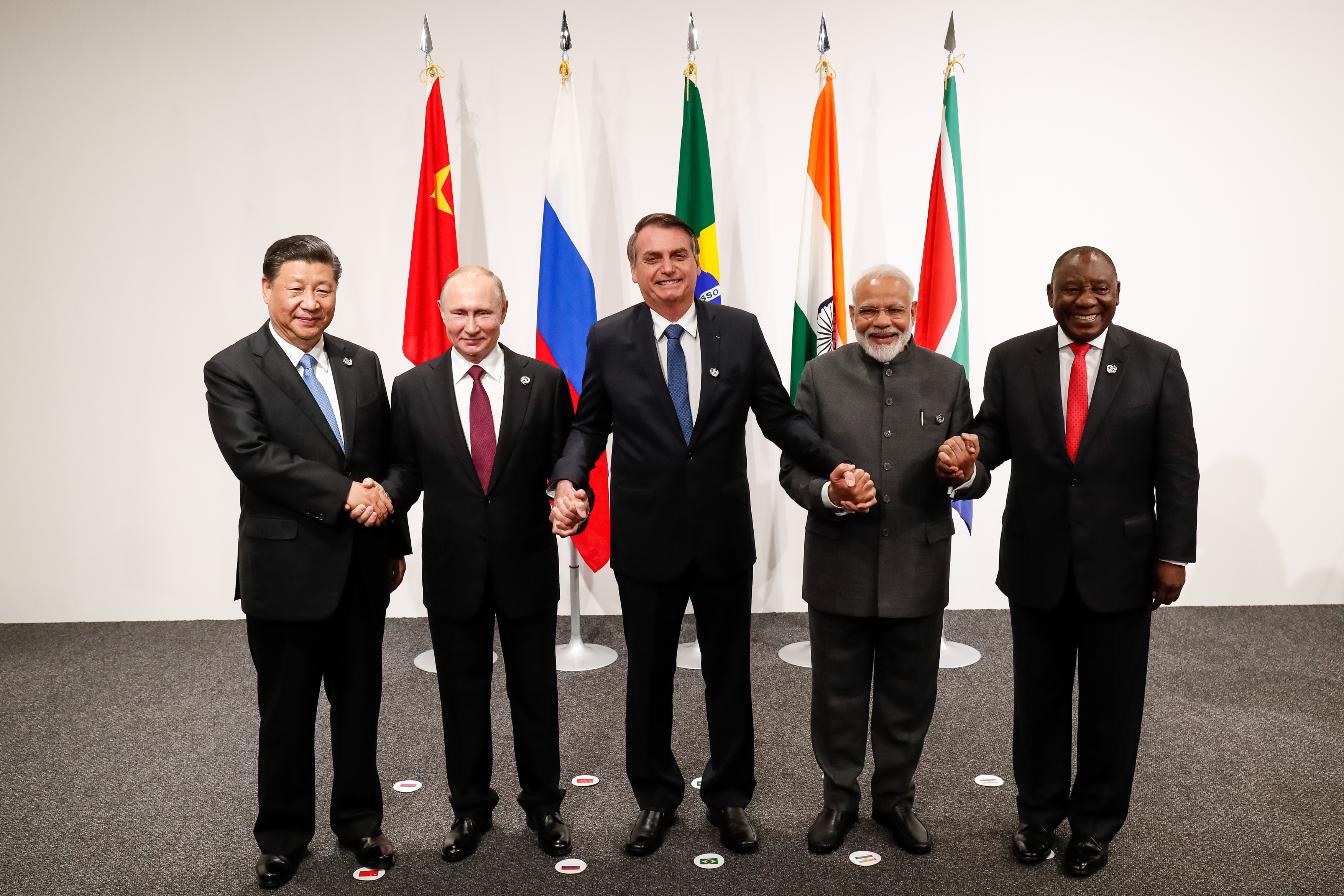
Prime Minister Narendra Modi reduced his domestic travel convoy to two vehicles while maintaining essential security protocols [1].
This move signals a shift toward sustainable governance and fiscal discipline by the highest office in India. By reducing the physical footprint of the prime ministerial motorcade, the administration aims to align its operational habits with broader national goals regarding environmental impact and resource management.
The reduction is part of a wider austerity push focused on fuel conservation and sustainable practices [1], [2]. Despite the smaller number of cars, the prime minister continues to operate under the security mandates of the Special Protection Group (SPG). Officials said that all essential security components required under the SPG protocol remain in place to ensure the leader's safety during transit [1], [2].
The decision comes as the Indian government seeks to promote energy efficiency across public sectors. Reducing the number of vehicles in a high-profile convoy lowers the immediate carbon footprint and reduces traffic congestion during official movements within Indian cities [1].
While the specific number of vehicles previously used in the convoy was not detailed in the current reports, the move to just two cars [1] represents a significant departure from traditional diplomatic and security arrangements for heads of state. The change is intended to demonstrate a commitment to austerity that begins at the top of the executive branch [2].
“PM Narendra Modi reduced his domestic travel convoy to two vehicles”
The reduction of the prime ministerial convoy serves as a symbolic and practical application of 'green' governance. By balancing the rigid security requirements of the SPG with an austerity-driven reduction in vehicle count, the Modi administration is attempting to model sustainable behavior for the rest of the public sector while maintaining the necessary safety standards for a head of government.