Prime Minister Narendra Modi used his monthly Mann Ki Baat broadcast this Sunday to honor Kargil Vijay Diwas and announce new defense milestones [1, 2].
The address underscores India's push for strategic autonomy in military and space technology. By linking national remembrance with current industrial achievements, the government signals a transition toward a self-reliant security apparatus.
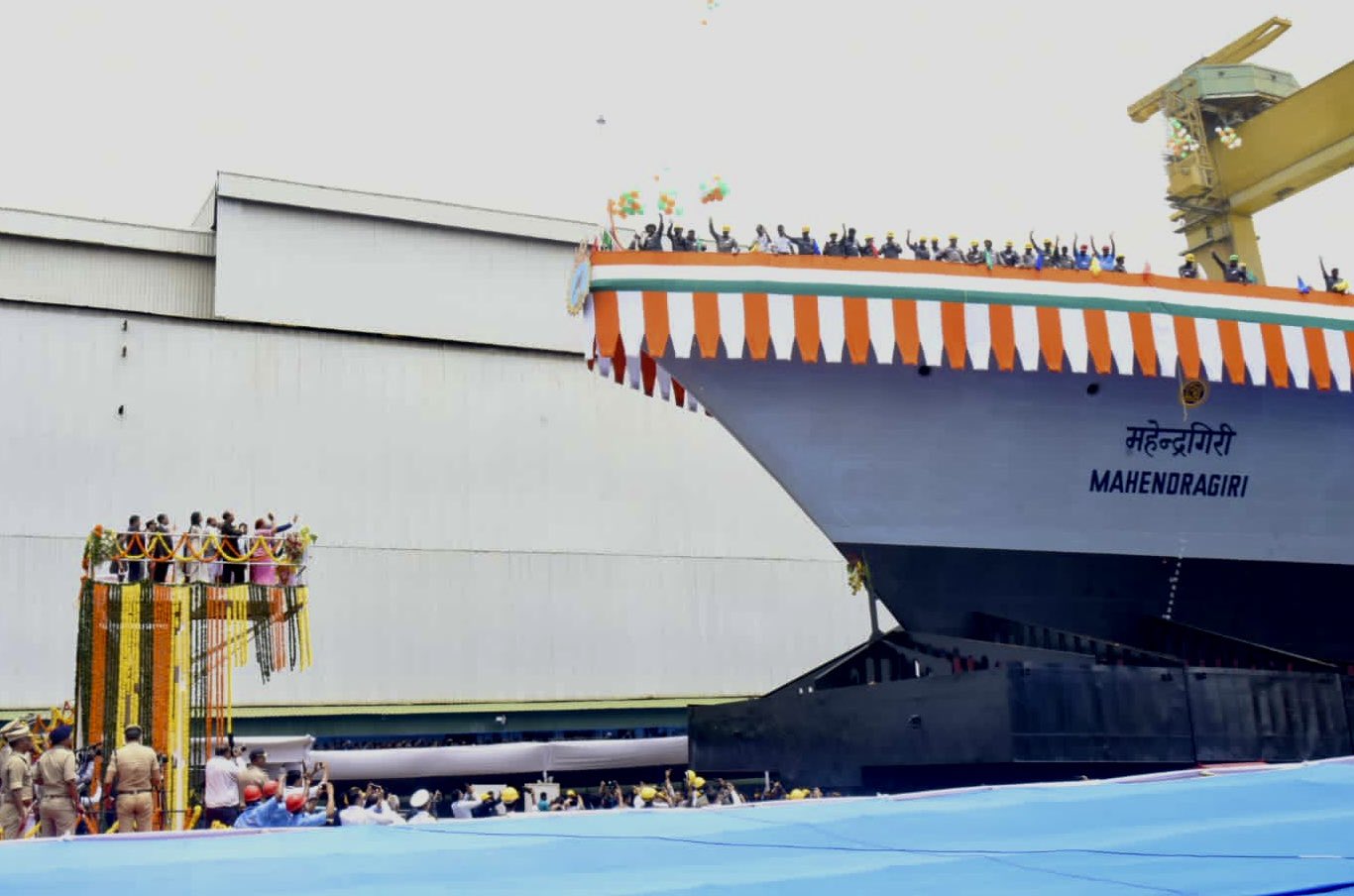
During the broadcast, which some sources identify as the 136th edition [1], Modi said the INS Mahendragiri was inducted into the Indian Navy [3]. He said the vessel is a symbol of Atmanirbhar Bharat, the national initiative for self-reliance [3].
The prime minister also detailed recent advancements by the Defence Research and Development Organisation. These include the testing of the Pinaka rocket and the Kusha missile [4]. These developments represent a broader effort to reduce dependence on foreign military hardware.
Beyond defense, the broadcast touched on commercial space achievements. Modi said the Vikram-1 rocket was launched, marking a significant step for India's commercial space sector [4]. He also addressed student achievements and environmental issues during the program [1].
The timing of the broadcast coincided with the anniversary of the 1999 Kargil War. Modi said he wanted to pay tribute to the soldiers who fought in the conflict [2, 3]. While some reports listed a previous broadcast on June 28, 2026 [5], the primary focus of this Sunday's address remained the observed anniversary of Kargil Vijay Diwas [1].
“INS Mahendragiri is a symbol of Atmanirbhar Bharat.”
The convergence of military anniversaries with the announcement of indigenous hardware like the Kusha missile and Vikram-1 rocket reflects a strategic communication effort. By framing technological milestones within the context of national sacrifice, the administration reinforces the link between industrial modernization and national security.


