Prime Minister Narendra Modi announced that India is moving toward a discrimination-free education system centered on mother-tongue instruction in Mysuru [1].
This shift aims to make education more inclusive and accessible for all citizens, regardless of their background. By prioritizing local languages and modernizing infrastructure, the government seeks to provide equal opportunities for students across the country [2].
The announcement took place during a visit to Mysuru, Karnataka, where the Prime Minister focused on the goals of the National Education Policy [1]. Modi said that learning in one's mother tongue is a central part of the vision for the nation's academic future [1].
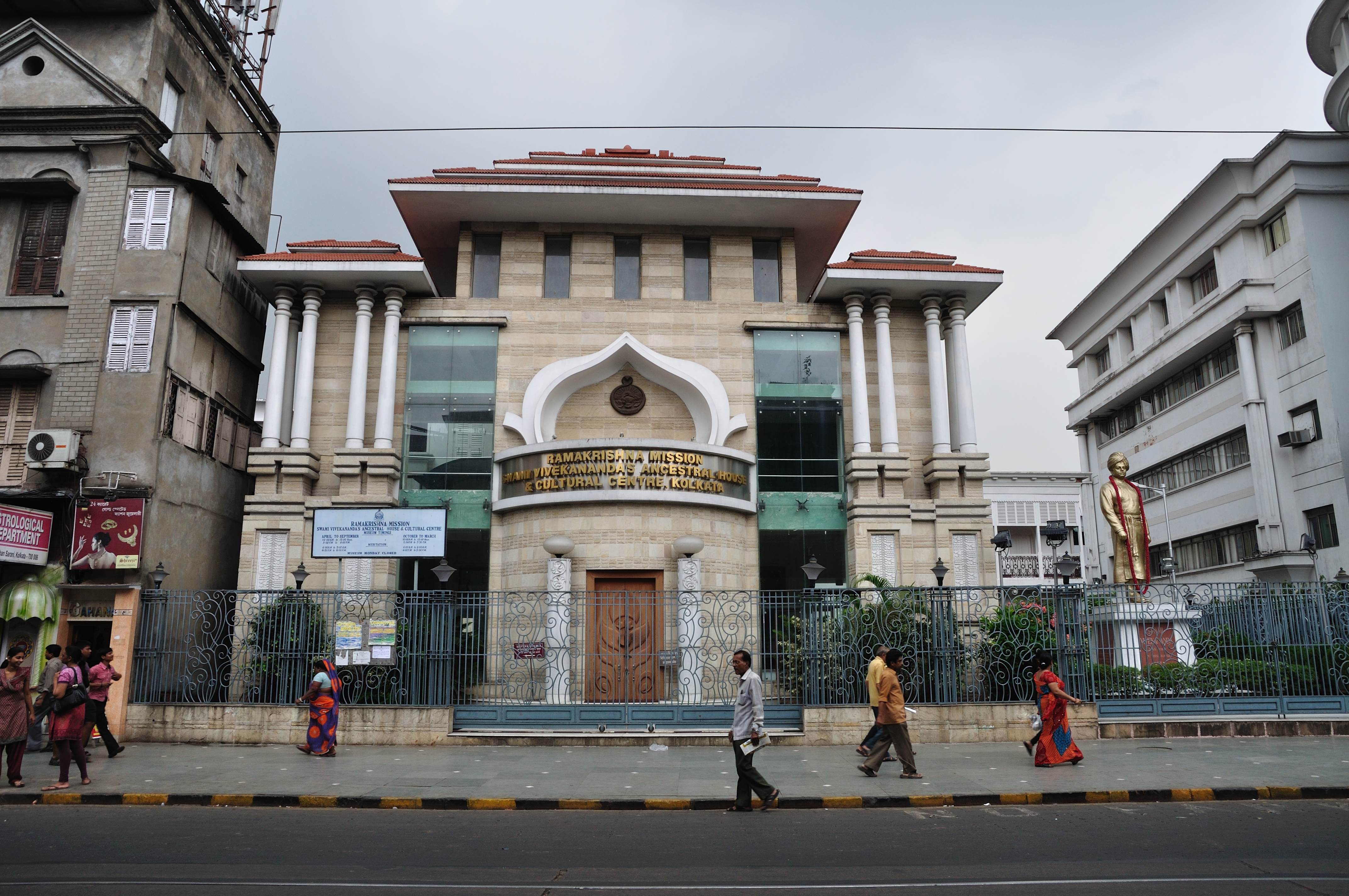
As part of the visit, Modi inaugurated the Swami Vivekananda Cultural Youth Centre [3]. The facility is intended to serve as a hub for youth development and spiritual upliftment, aligning with a "nation-first" vision for the younger generation [3].
The Prime Minister said that the government is committed to modernizing education infrastructure to ensure that no student is left behind [2]. This effort is designed to remove systemic barriers and create an environment where educational resources are distributed equitably [4].
The focus on the National Education Policy reflects a broader strategy to integrate cultural identity with academic achievement. By removing linguistic barriers, the administration intends to improve learning outcomes and foster a more inclusive society [2].
“India is moving toward a discrimination-free education system centered on mother-tongue instruction.”
The emphasis on mother-tongue instruction marks a strategic move to decentralize education from English-centric models, potentially increasing literacy and comprehension in rural areas. By pairing this policy with the inauguration of cultural centers, the administration is linking academic reform with a nationalist cultural identity to engage the youth demographic.